The Must-have Tool Kit for Every New Diyer
I still remember the first time I tried to fix a loose shelf in my tiny apartment; I had spent way too much money on a massive, heavy-duty power drill set from a big-box store, only to realize I didn’t even know which bit to use. It was a total waste of space and, honestly, a bit of a humiliating lesson in consumer hype. Most people think you need a garage full of industrial-grade equipment to be “handy,” but that’s just not true. You don’t need a professional workshop to tackle your home projects; you just need a curated list of essential tools for diy that actually serve a purpose instead of just gathering dust in a corner.
I’m not here to sell you on some expensive, shiny gadget that promises to change your life. My goal is to give you a realistic, minimalist toolkit—the kind of stuff that actually helps you get things done when life gets messy and you just want that wobbly table to stay still. I’ve spent way too many hours trial-and-erroring my way through small repairs, so I’m sharing only the stuff that works. Let’s skip the fluff and focus on the practical basics that will actually help you win your weekend.
A Realistic Home Improvement Starter Kit
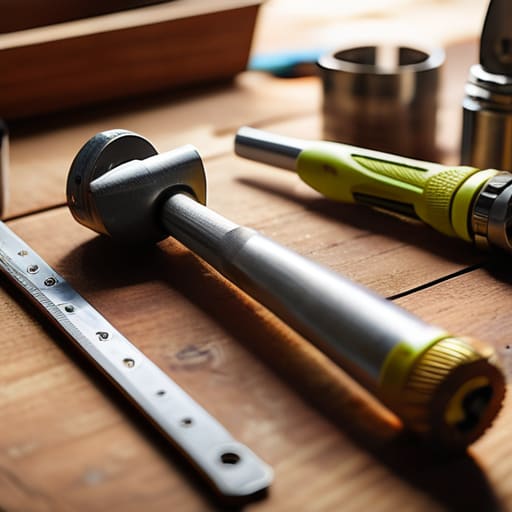
When I first started trying to fix things around my apartment, I felt this weird pressure to go out and buy everything in the aisle. I thought I needed a massive garage setup just to hang a shelf or tighten a loose cabinet handle. But honestly? That’s how you end up with a pile of expensive, dusty gear that just takes up space. A truly budget friendly diy gear list should start with the basics that actually solve common problems. I’m talking about a solid multi-bit screwdriver, a measuring tape that doesn’t snap back and hit your knuckles, and a decent level. These are the non-negotiables that turn a frustrating afternoon into a quick win.
Once you’ve got the basics, you’ll eventually hit that crossroads of hand tools vs power tools. My advice? Don’t rush into the cordless drill phase until you actually feel the need for it. There is something deeply satisfying about the tactile control of a manual screwdriver or a hammer, especially when you’re just starting out. For me, the goal isn’t to build a professional workshop; it’s about having a reliable home improvement starter kit that sits in a single, organized bin. If you can reach your tools without a scavenger hunt, you’re much more likely to actually use them.
Hand Tools vs Power Tools Choosing Your Battles
When I first started tinkering with my own space, I thought I needed a heavy-duty garage setup to be “real.” I was wrong. The real trick is knowing when to reach for a manual screwdriver and when to plug something in. Think of it as a tactical decision: hand tools vs power tools isn’t about which is better, but which one fits the energy of the task. Hand tools are your reliable, quiet companions for precision work—like tightening a loose cabinet hinge or assembling a flat-pack desk. They’re low-stress, require zero setup, and won’t wake up the neighbors.
On the flip side, power tools are your “force multipliers.” If you’re looking into beginner woodworking equipment or trying to mount a heavy floating shelf, a cordless drill is going to save you a massive amount of physical frustration. However, I always tell people to start small. You don’t need a table saw on day one; a decent drill and a set of screwdrivers are the core of a solid home improvement starter kit. My rule of thumb? If the job takes more than ten minutes of repetitive manual effort, it’s time to let the battery do the heavy lifting.
Five Ways to Keep Your Toolkit (and Your Sanity) Intact
- Don’t buy the “everything” kit. Those massive, cheap sets usually come with twenty versions of the same mediocre screwdriver and zero high-quality essentials. I’ve learned the hard way that it’s way better to own one really solid hammer that feels good in your hand than a bucket of plastic junk that’ll probably snap by next Tuesday.
- Invest in a good measuring tape and actually use it. It sounds basic, right? But there is nothing more soul-crushing than spending an hour on a project only to realize you were off by half an inch because you “eyeballed it.” Trust the numbers, not your gut.
- Organize as you go, not just when you’re finished. I keep a small bin or even just a dedicated corner for my current project’s parts. There’s nothing worse than losing a specific screw in the chaos of a half-finished task and having to stop everything just to go hunt for it.
- Learn the “why” behind the tool. Before you drop fifty bucks on a cordless drill, watch a quick video on how to choose the right drill bit for the material you’re working with. Knowing how to use the tool is just as important as owning it, and it saves you from making expensive mistakes.
- Keep a “maintenance” mindset. If a tool feels loose or a blade looks dull, fix it. I treat my tools like my mechanical keyboards—if they aren’t working smoothly, the whole experience feels off. A well-maintained tool makes the work feel less like a chore and more like a flow state.
The Bottom Line: Keeping It Simple
Don’t feel pressured to buy the entire aisle at the hardware store; start with a few solid, reliable basics and let your actual projects dictate what you need next.
Learn to distinguish between when a quick manual fix works and when it’s actually worth the investment (and the noise) of a power tool.
Focus on quality over quantity so you aren’t constantly replacing cheap gear that breaks halfway through a Saturday project.
Getting Started Without the Overwhelm
At the end of the day, you don’t need a garage full of industrial-grade machinery to make a meaningful dent in your to-do list. We’ve covered the basics—from building out a reliable starter kit of hand tools to knowing when it’s actually worth pulling the trigger on a power tool. The goal isn’t to collect gear for the sake of having it; it’s about having the right implements ready so that when a shelf wobbles or a cabinet door hangs crooked, you aren’t staring at the problem with your hands in your pockets. Focus on the essentials, keep your workspace organized, and remember that quality beats quantity every single time when you’re working with limited space and time.
If I’ve learned anything from my own messy attempts at fixing things around my apartment, it’s that the hardest part isn’t the manual—it’s the decision to actually start. Don’t let the fear of a “wrong” purchase or a stripped screw stop you from trying. DIY is less about being a master craftsman and more about the satisfaction of seeing something go from broken to functional because of your own effort. Just grab a screwdriver, tackle one small task, and build your confidence one project at a time. You’ve totally got this.