Weekend Woodworking: Projects Perfect for Beginners
I’ll be honest: the first time I looked at a pile of raw lumber, I felt completely paralyzed. I had this vision of building a massive, mid-century modern sideboard, but looking at my tiny apartment and my very limited toolset, it felt like a total fantasy. We often fall into this trap of thinking that starting a new hobby requires a massive studio and a professional-grade workshop, when really, you just need a way to actually start. If you’re feeling that same hesitation, you aren’t alone. Finding the right beginner woodworking projects isn’t about mastering fine joinery overnight; it’s about proving to yourself that you can turn a piece of wood into something useful without losing your mind in the process.
In this post, I’ve rounded up nine specific projects that are designed to be low-stress and high-reward. We aren’t going for “masterpiece” status here; we are aiming for small, tangible wins that you can actually finish by the end of the week. From simple desktop organizers to functional home accents, these ideas will help you build your confidence and your toolkit one step at a time. Let’s stop overthinking the blueprints and just get to work.
A simple desk organizer
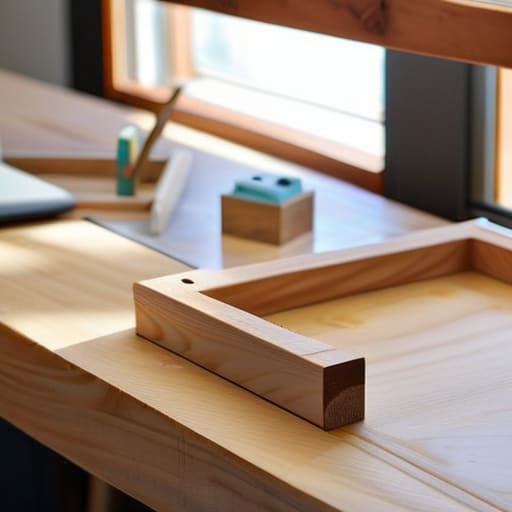
When I first started working remotely, my desk was a disaster zone of charging cables and loose pens. I realized I didn’t need a custom-built mahogany workstation; I just needed something to hold my current essentials. Building a basic wooden organizer is the perfect way to practice straight cuts and sanding without feeling overwhelmed by a massive blueprint.
Minimalist floating shelves
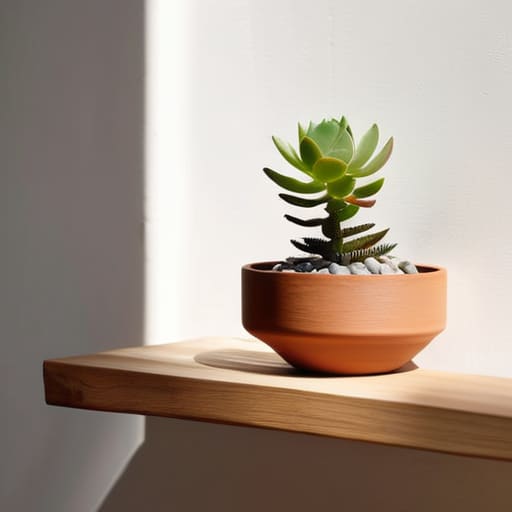
There is something incredibly satisfying about seeing your own work on a wall, especially when it’s something as clean as a floating shelf. I love these because they force you to focus on precision and leveling, which are two skills you’ll use in every single project moving forward. It’s not about making a masterpiece; it’s about creating a sturdy spot for a single plant or a couple of books.
The perfect coaster set
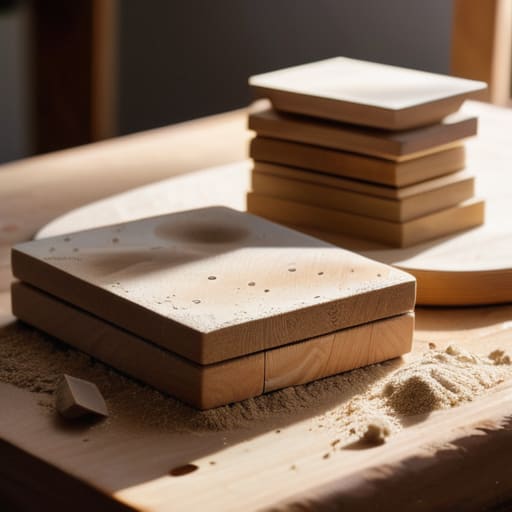
If you’re feeling a bit intimidated by the idea of “building” something, start with coasters. They are essentially just small squares or circles of wood, but they teach you the absolute fundamentals of surface preparation. If you don’t sand these down properly, they’re going to feel rough and look amateur, so take your time with the grit progression.
A rustic herb planter
I’ve found that bringing a little bit of greenery into a workspace helps keep the mental fog at bay. Making a simple wooden planter box is a great way to practice building a contained structure that needs to hold weight and moisture. It’s a bit more involved than a coaster, but it’s still very manageable if you take it one side at a time.
A sturdy phone dock
We spend so much of our lives staring at screens, so why not give your phone a dedicated, tactile home? A simple phone dock is basically just a block of wood with a strategic groove cut into it. It’s a quick project that helps you master the art of measured notches and ensures your device sits at the perfect viewing angle.
A basic cutting board
This is where things get a little more serious, but don’t let that scare you off. A cutting board is a fantastic introduction to working with food-safe materials and understanding how different wood grains interact. You aren’t trying to win a culinary competition; you’re just trying to create a flat, smooth surface that won’t warp the first time it hits water.
A custom picture frame
Most of the art we love ends up sitting in a pile on a desk because we haven’t bothered to frame it. Building a simple frame is a classic way to practice mitre cuts, which is when you cut the corners at an angle to make them meet perfectly. It can be a little finicky at first, but that’s exactly why it’s worth doing.
A small tool organizer tray
As you start collecting more tools, you’re going to realize that “organized chaos” is a lie. A small tray for your screwdrivers, pliers, or even your vintage keyboard cleaning kit is a total game-changer. This project is all about spatial awareness—thinking about how much room each object needs so they aren’t just rattling around.
A minimalist candle holder
If you want something that leans more into the “wellness” side of things, a candle holder is a great way to go. It’s a very small-scale project, which means you can finish it in a single afternoon. It’s perfect for practicing fine-detail sanding and experimenting with how light interacts with different wood textures.
The Tuesday Woodworking Mindset
Forget the master craftsman dream for now; focus on finishing one small, tangible thing so you actually feel the win.
Your workspace doesn’t need to be a professional studio—just a clean corner and a few basic tools will get you through the week.
Mistakes aren’t failures, they’re just part of the process of learning how the grain actually behaves under your hands.
Don't Overthink the sawdust
Look, if you’ve tried any of these—from that simple birdhouse to a basic spice rack—you already know that woodworking isn’t about achieving perfection on your first go. It’s about the process of taking a raw piece of pine and turning it into something that actually serves a purpose in your apartment. We covered everything from basic tool safety to those small, manageable builds that don’t require a massive workshop or a degree in engineering. The goal wasn’t to turn you into a master carpenter by next week; it was just to help you get your hands dirty with something tangible.
At the end of the day, your first few projects might have slightly wonky edges or a screw that’s a little too visible, and honestly? That’s fine. Those tiny imperfections are just proof that you actually made something with your own two hands. Don’t get paralyzed by the idea of a massive studio renovation or buying every expensive power tool on the market. Just pick one small thing, grab some sandpaper, and focus on winning this Tuesday. The real magic isn’t in the finished product; it’s in the quiet satisfaction of seeing a small task through to the end.