Creating a Portfolio That Secures Job Offers

I remember sitting at my desk last year, surrounded by three half-empty coffee mugs and a dozen open browser tabs, staring at a blank Google Doc. I was convinced that learning how to build a portfolio meant I needed a custom-coded website, a professional photoshoot, and a degree in graphic design just to show off my project coordination work. It felt like I was trying to assemble a complex mechanical keyboard without even having the right screwdrivers—just a lot of expensive tools and zero progress. The internet loves to tell you that your portfolio needs to be this polished, cinematic masterpiece, but honestly? That’s just a recipe for burnout before you even hit “publish.”
I’m not here to sell you on some high-gloss, unrealistic standard that takes months to implement. Instead, I want to show you how to strip away the noise and focus on what actually gets you hired. We’re going to break down how to build a portfolio by focusing on small, repeatable wins and clear, honest storytelling. My goal is to help you build something that works in the real world—even when your life feels a little messy—so you can stop overthinking and start showing up.
Finding Your Rhythm With Portfolio Examples for Beginners

When you’re starting from zero, looking at seasoned professionals can feel a little overwhelming—like you’re staring at a finished skyscraper when you’ve only just cleared the dirt. But here’s the secret: you don’t need a decade of experience to find inspiration. Instead of looking for perfection, start by hunting for portfolio examples for beginners that actually feel attainable. Look for people who are just a few steps ahead of you, not the industry titans. See how they handle the layout or how they describe their process. It’s not about copying their style; it’s about seeing how they bridge the gap between “I did this task” and “this is the value I bring.”
Once you’ve gathered some inspiration, the real work begins with curating best projects rather than dumping everything you’ve ever touched into a single folder. I used to think more was better, but a cluttered portfolio just tells a recruiter you don’t know how to prioritize. Pick three or four pieces that actually show off your skills. Even if they were just class assignments or a side project you did for fun, focus on the “why” behind them. If you can explain your logic, you’re already ahead of most people just throwing links at a screen.
Curating Best Projects Without the Overwhelming Life Overhaul

Here’s the thing: when I first started looking at my own folders, I felt like I had nothing worth showing. I thought I needed a massive, polished archive of every single thing I’d ever touched. But that’s the fastest way to burn out before you even hit “publish.” Instead of trying to dump your entire life into a folder, focus on curating best projects that actually tell a story about who you are now. Think of it like cleaning out a junk drawer; you aren’t looking for everything, you’re looking for the stuff that actually works.
Pick three to five pieces that represent the direction you want to go, not just where you’ve been. If you’re leaning into a specific niche, make sure your selection reflects that. When you’re showcasing creative work, quality will always beat sheer volume. It’s much better to have three solid examples where you can explain your thought process than twenty mediocre files that leave a recruiter guessing. You don’t need a museum; you just need a really good highlight reel that proves you can handle the job.
Five ways to make it happen without losing your mind
- Stop waiting for the “perfect” project to show up. If you’ve done something—even if it was just a small freelance gig or a class assignment that actually went well—it counts. Real-world messy work is often more interesting than a polished, theoretical masterpiece.
- Quality over sheer volume, every single time. I used to think a massive portfolio showed I was busy, but it actually just showed I couldn’t edit. Pick your three or four best pieces and give them room to breathe. A lean, mean portfolio is way more effective than a cluttered one.
- Write like you talk, not like a textbook. When you’re explaining a project, don’t just list the tools you used. Tell me what the problem was, how you tripped over your own feet, and how you eventually fixed it. People hire humans, not robots.
- Make it easy for someone to actually find your stuff. If a recruiter has to click through five different menus just to see your work, they’re going to close the tab. Keep the navigation simple, the load times fast, and the “Contact Me” button impossible to miss.
- Treat your portfolio like a living document, not a monument. You don’t need to rebuild the whole site every time you finish a task. Just swap out one old project for a new one every few months. Small, consistent updates keep it fresh without the burnout.
The TL;DR on Building Your Portfolio
Forget the “masterpiece” mindset; your portfolio is a living document that grows as you do, so just start with what you have right now.
Quality beats quantity every single time—it’s much better to show off three projects you’re actually proud of than ten that feel like filler.
Don’t just show the finished result; share a little bit of the “messy middle” to show people how you actually solve problems when things go sideways.
Don't Wait for the Perfect Version
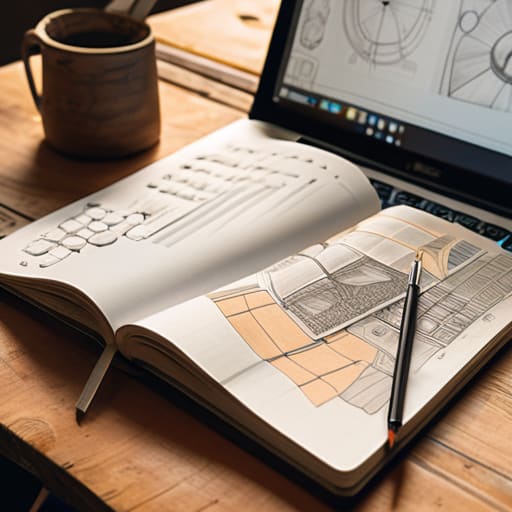
Look, I know the urge to keep tweaking and polishing is real. You want every project to look like a high-budget agency campaign, but that’s a trap. We’ve covered how to find your rhythm with real-world examples, how to curate your best work without losing your mind, and most importantly, how to stop treating your portfolio like a static monument. At the end of the day, a portfolio is just a living document. It’s meant to grow alongside you. You don’t need a hundred polished case studies to prove you know your stuff; you just need to showcase the logic and the effort behind the work you’ve actually done.
If you’re feeling stuck, just close the laptop and grab that notebook I’m always talking about. Write down the three things you’re proudest of from this month and call it a win. Building a career isn’t about hitting some arbitrary finish line where everything is suddenly perfect; it’s about the small, consistent steps you take when things feel a little messy. So, stop aiming for a masterpiece and just start building the foundation. Your future self will thank you for having something—anything—to show for the work you’re doing right now.