A Stress-free Approach to Weekly Planning

I used to think that “weekly planning” required a $50 leather-bound journal, a color-coded sticker system, and a Sunday afternoon spent in deep, meditative silence. Honestly? That kind of performative productivity is a complete scam. I spent months trying to build these elaborate, aesthetic systems that looked great on a desk but fell apart the second a client sent a “quick” urgent email on a Tuesday morning. It turns out, most of the productivity gurus are just selling you a way to feel busy without actually getting anything done.
I’m not here to help you redesign your entire existence or curate a perfect digital workspace. Instead, I want to show you how I use a simple, slightly messy approach to keep my head above water while juggling freelance projects. We’re going to focus on low-friction habits that actually survive the chaos of a real work week. I’ll share the exact, no-nonsense framework I use to turn a frantic Monday into a manageable series of small wins, so you can finally stop reacting to life and start actually navigating it.
Mastering Your Sunday Reset Routine Without the Stress

I used to treat Sundays like a “pre-Monday panic” session, scrolling through my emails and feeling that low-grade dread sink in. But I’ve realized that a successful Sunday reset routine isn’t about doing more work; it’s about clearing the mental clutter so you aren’t playing catch-up by noon on Monday. I like to keep it low-fi. Instead of a massive, daunting overhaul, I just grab my physical notebook and do a quick brain dump. I write down every nagging thought, every errand, and every half-finished project floating in my head. Once it’s on paper, the anxiety usually settles down because I’ve finally stopped trying to remember everything and started actually seeing it.
The trick to making this stick is focusing on organizing tasks and priorities rather than just making a massive, intimidating to-do list. I don’t aim for perfection; I just want to know what my “Big Three” are for the coming week. If I can identify three meaningful things to accomplish, the rest of the chaos feels much more manageable. It’s less about complex productivity systems for professionals and more about creating a roadmap that actually feels doable when life gets messy. Keep it simple, keep it quiet, and let the prep work do the heavy lifting for you.
Real World Productivity Systems for Professionals in Chaos
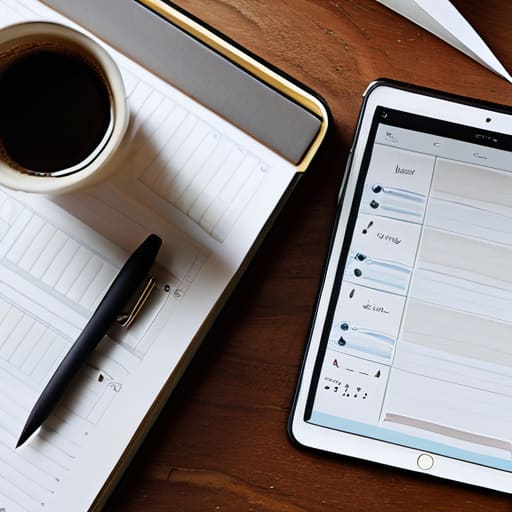
Look, I get it. You’ve seen those aesthetic “productivity porn” videos where people spend three hours color-coding a digital calendar that they’ll never actually look at again. That’s not a system; that’s a hobby. When you’re juggling freelance gigs or a demanding 9-to-5, you don’t need more complexity—you need productivity systems for professionals that actually survive contact with reality. I’ve found that the best way to manage the chaos is to stop treating your to-do list like a sacred text and start treating it like a living, breathing organism.
Instead of trying to map out every single minute, I swear by a hybrid approach. I use a digital tool for the heavy lifting—deadlines, meetings, and client briefs—but I keep my actual daily focus in my physical pocket notebook. This helps with organizing tasks and priorities because it forces me to physically write down the three things that actually matter today. If it’s not in the notebook, it’s just noise. It’s about creating a filter that separates the “urgent” from the “important,” so you aren’t just busy, you’re actually moving the needle.
Small Moves to Keep Your Week from Spiraling
- Stop overstuffing your calendar. I used to treat my planner like a wish list, but that’s a recipe for burnout. Pick three “non-negotiables” for each day—the things that actually move the needle—and let everything else be a bonus.
- Build in “buffer blocks.” Life is messy, and as a freelancer, I know that a single unexpected email can wreck a perfectly timed schedule. Leave 30 to 45 minutes of unscheduled time in the afternoon just to catch up on the chaos.
- Use a “brain dump” before you organize. Before I touch my digital calendar, I grab my physical notebook and scribble down every tiny, nagging task swirling in my head. You can’t plan a week if your brain is too busy trying not to forget to buy milk.
- Group your similar tasks together. I call this “context batching.” Instead of jumping from a deep-work project to answering emails and then back to a creative task, try to do all your admin in one go. It saves so much mental energy.
- Do a Friday afternoon “close-out.” Don’t let your unfinished business haunt your weekend. Spend fifteen minutes every Friday reviewing what didn’t get done and moving it to next week so you can actually unplug and relax.
The TL;DR on Winning Your Week
Stop aiming for a “perfect” schedule; instead, build a flexible framework that accounts for the inevitable chaos of a random Wednesday.
Use your Sunday reset to clear the mental clutter, not to build a rigid prison of tasks that you’ll inevitably abandon by Tuesday.
Focus on winning small, repeatable blocks of time rather than trying to conquer your entire to-do list in one go.
The Tuesday Test
Look, we’ve covered a lot of ground—from the low-pressure Sunday reset to finding a system that actually survives a chaotic work week. The goal here isn’t to build a rigid, unbreakable fortress of a schedule that collapses the moment a client sends an “urgent” email at 4:00 PM. It’s about creating enough structural breathing room so that when the unexpected happens, you aren’t completely drowning. Whether you’re using a digital planner or scribbling in a physical notebook like I do, the magic happens in the small, intentional adjustments you make to keep your head above water.
At the end of the day, don’t let the pursuit of a “perfect” week get in the way of actually living one. If your planning session goes off the rails or you miss a habit halfway through Wednesday, just reset. Productivity isn’t about achieving some flawless, robotic state of constant output; it’s about having the tools to reclaim your momentum when things get messy. Stop trying to redesign your entire existence and just focus on winning the next twenty-four hours. You’ve got this.