Ways to Make Your Workout Routine Actually Last

I’m so tired of seeing those “transformation” videos where people wake up at 4:00 AM, chug a green sludge, and crush a two-hour HIIT session before the sun is even up. It feels like the fitness industry is built on the idea that if you aren’t suffering through a massive, expensive overhaul, you aren’t actually trying. But let’s be real: most of us are just trying to manage a chaotic freelance schedule and a mounting pile of laundry. If you’re looking for how to build an exercise habit that doesn’t involve a complete identity crisis or a gym membership you’ll never use, you’re in the right place.
I’m not here to sell you on a lifestyle revolution; I’m here to help you figure out how to actually move on a random, messy Tuesday. My approach is a bit more lo-fi and a lot more realistic. I want to share the small, repeatable systems I’ve used to stay active without letting it hijack my entire life. We’re going to focus on tiny, sustainable wins that fit into the cracks of your existing routine, rather than trying to rebuild your entire world from scratch.
The Behavioral Psychology of Habit Formation Explained

To understand why we fail, we have to look at the actual behavioral psychology of habit formation. It isn’t about willpower or having some superhuman level of discipline; it’s about the “cue, craving, response, and reward” loop. Your brain is essentially a pattern-recognition machine. It wants to find the path of least resistance to save energy. When you try to force a massive, intense workout into a schedule that’s already packed, your brain flags it as a threat to your equilibrium. It’s not that you’re lazy; it’s that your biology is trying to protect your current state of comfort.
The trick to building long-term physical activity habits is to stop fighting your brain and start hacking it. Instead of relying on that fleeting surge of “motivation”—which, let’s be real, disappears the second it starts raining—you need to focus on lowering the friction of the initial action. This is where habit stacking for exercise becomes a game changer. By anchoring a new movement to something you already do without thinking (like stretching while your coffee brews), you’re essentially hitching a ride on an existing neural pathway. You aren’t building a new road from scratch; you’re just adding a small detour to one that’s already paved.
Setting Realistic Fitness Goals for Messy Tuesdays
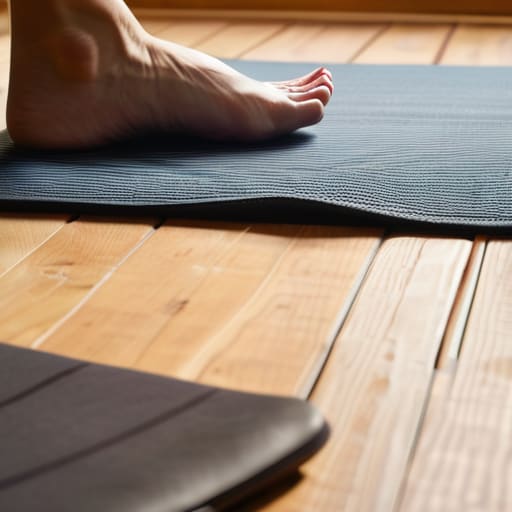
Here’s the thing: we’ve all been there. You wake up on a Tuesday feeling like a powerhouse, ready to crush a ninety-minute HIIT session, only for a sudden deadline to derail your entire afternoon. When that happens, the instinct is to scrap the whole day and try again on Monday. But that’s exactly how we fail. Instead of aiming for perfection, I’ve learned that setting realistic fitness goals means planning for your worst days, not your best ones. If you can’t do the full workout, do ten minutes of stretching or a quick walk around the block. The goal isn’t the intensity; it’s just showing up.
I’m a big believer in habit stacking for exercise to make this transition seamless. Instead of trying to carve out a massive, intimidating block of time, tie your movement to something you’re already doing. Maybe it’s a few bodyweight squats while your coffee brews or a quick mobility flow right after you close your laptop for the day. By lowering the barrier to entry, you stop fighting against your schedule and start working with it. It’s about finding that sweet spot where movement feels less like a chore and more like a manageable part of your rhythm.
Five Ways to Actually Make Movement Happen (Without the Burnout)
- Use “Habit Stacking” to cheat your way into a routine. Instead of trying to find a random hour in your day, tie your movement to something you already do without thinking. I started doing ten minutes of mobility work right after my morning coffee hits. It’s not a marathon, but it’s a win that requires zero willpower.
- Lower the barrier to entry until it’s almost ridiculous. If your goal is a 45-minute gym session but you’re staring at a mountain of emails, you’re going to skip it. Tell yourself you’ll just put on your sneakers and walk for five minutes. Usually, once the shoes are on, the friction is gone. If not? At least you wore the shoes.
- Stop relying on “motivation” because it’s a flakey friend. Motivation is what gets you started on a sunny Sunday, but it’s nowhere to be found on a rainy Wednesday when your inbox is exploding. Build systems instead—lay out your clothes the night before or keep a pair of dumbbells right next to your desk. Make the right choice the easiest one.
- Find your “Minimum Viable Workout.” On the days when life is genuinely chaotic, don’t scrap the habit entirely just because you can’t do the full routine. A 10-minute stretch or a quick circuit in your living room counts. It’s about keeping the neural pathway alive, even if the intensity is low.
- Audit your environment, not just your willpower. If your gym bag is buried under a pile of laundry in the closet, you aren’t going to use it. I keep my favorite mechanical keyboard and my workout gear in clear sight. If you see the tools for the task, you’re much more likely to actually engage with them.
The TL;DR for Your Messy Week
Stop waiting for “Monday morning motivation” to strike; instead, focus on making your movement so small and low-stakes that it feels almost silly to skip it.
Build your new habit around something you already do—like a specific podcast or your morning coffee—to turn a random task into an automatic trigger.
Forgive yourself when life inevitably gets chaotic, because one missed workout isn’t a failure, it’s just a Tuesday that needs a better plan for Wednesday.
The Long Game (Without the Burnout)

At the end of the day, building an exercise habit isn’t about hitting a personal best on a treadmill or following some grueling, high-intensity program you saw on a fitness influencer’s feed. It’s about understanding how your brain actually works—using those small psychological wins to bridge the gap between “I should” and “I did.” We’ve talked about why the science of habit loops matters and why your goals need to be actually achievable even when your schedule is a total wreck. Remember, the goal isn’t perfection; it’s just about showing up for those small, manageable moments that eventually stack into something bigger.
If you’re feeling overwhelmed right now, just take a breath and put the heavy lifting aside for a second. You don’t need to reinvent your entire identity by tomorrow morning. Just focus on winning the next ten minutes, or even just putting on your sneakers. Life is going to stay messy, and your Tuesdays are always going to feel a little chaotic, but that’s okay. Consistency beats intensity every single time. Just keep finding those tiny, repeatable rhythms that work for you, and let the rest happen in the margins. You’ve got this.