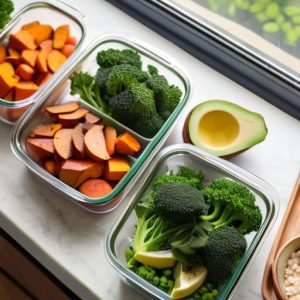
Eating Well Without Breaking the Bank
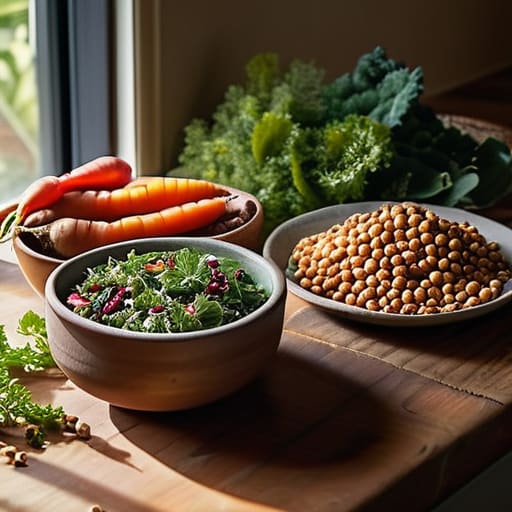
I used to think that “wellness” required a $15 jar of almond butter and a grocery haul full of organic, pre-washed kale that would inevitably turn into a slimy mess in my fridge by Thursday. There’s this toxic idea floating around social media that healthy eating on a budget is basically impossible unless you have a massive inheritance or a personal chef. It’s exhausting. Honestly, the more expensive the “superfood” is, the more I start to suspect it’s just clever marketing designed to make us feel like we’re failing at being healthy.
I’m not here to sell you a lifestyle overhaul or a subscription to a meal kit service that costs more than my rent. Instead, I want to share the low-fi, realistic systems I’ve actually used to keep myself fueled without draining my bank account. We’re going to skip the gourmet meal prep nonsense and focus on the small, smart swaps that make a difference when you’re just trying to get through a busy work week. Let’s figure out how to make your Tuesday dinners actually taste good, without the stress.
Mastering Nutritious Grocery Shopping Tips
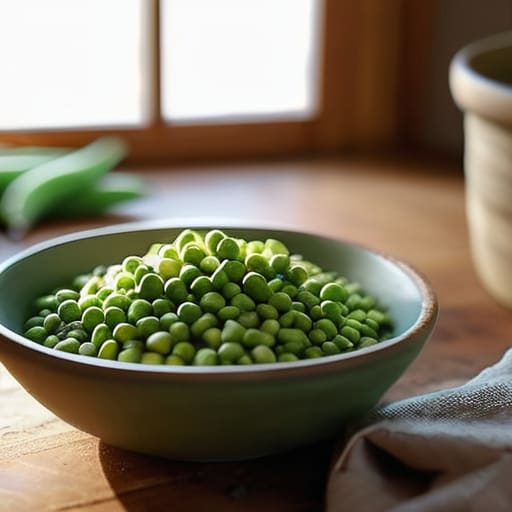
The first thing I learned while navigating the chaos of my early twenties was that a grocery store is basically a psychological battlefield. Everything is designed to make you grab the convenient, pre-packaged stuff that costs three times as much and leaves you feeling sluggish by 3 PM. To fight back, I’ve started focusing on affordable whole foods—think bags of lentils, oats, and frozen veggies. These are the unsung heroes of a functional pantry. They don’t require a culinary degree to prepare, and they won’t wreck your bank account before the first of the month even hits.
I also realized that my biggest budget killer wasn’t what I was buying, but what I was throwing away. I started leaning into minimizing food waste by shopping with a loose plan rather than a rigid, perfectionist list. If I see a bag of spinach on sale, I grab it, but I only do that if I know I’ll actually use it in a smoothie or a stir-fry later that week. It’s about being intentional without being stressed. If you can master the art of looking for low cost protein sources like canned beans or eggs, you’ve already won half the battle. It’s not about being a gourmet chef; it’s just about making smarter choices during that thirty-minute trek through the aisles.
Finding Value in Affordable Whole Foods
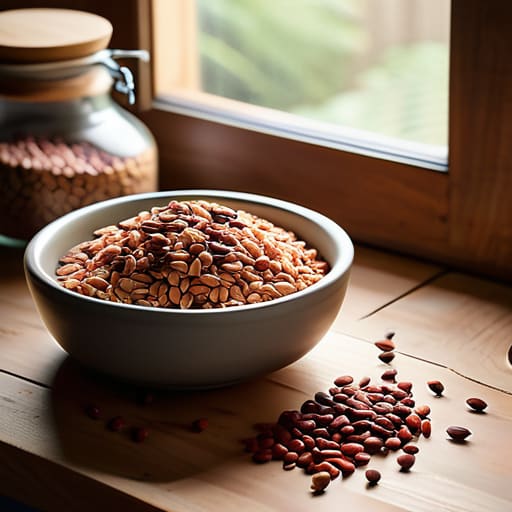
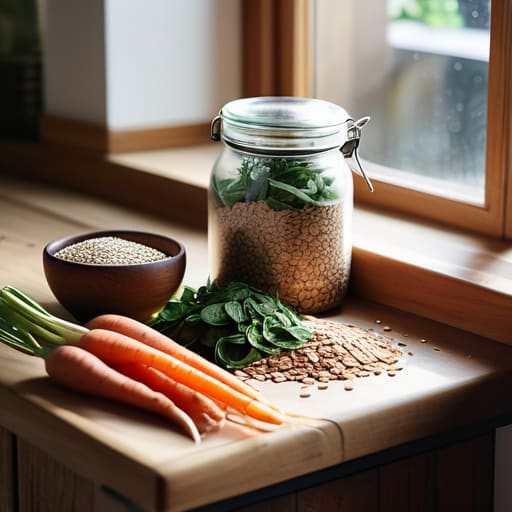
When I first started freelancing, my grocery bill was basically a constant source of low-grade anxiety. I thought eating “well” meant buying those overpriced, organic pre-washed salads, but that’s a fast track to an empty bank account. The real shift happened when I stopped looking at the fancy packaging and started focusing on affordable whole foods like lentils, oats, and sweet potatoes. These aren’t “boring” ingredients; they’re the building blocks. If you lean into things like dried beans or brown rice, you’re getting massive nutritional value for pennies. It’s less about finding a magic ingredient and more about building a pantry that actually works for you.
I’ve also learned that the best way to keep costs down is to follow the rhythm of the seasons. There are massive seasonal produce benefits that go beyond just flavor; when a fruit or vegetable is in season, it’s almost always cheaper because the supply is peaking. Instead of hunting down out-of-season berries in the middle of winter, I grab what’s actually available. Pairing these seasonal finds with some low cost protein sources—think eggs, canned tuna, or chickpeas—makes it incredibly easy to put together a decent meal without feeling like you’re sacrificing quality for the sake of your budget.
Small Swaps for a Better Grocery Run
- Stop buying the “convenience” versions of everything. Pre-cut fruit and bagged salads are basically a tax on your time that you can’t afford when you’re on a budget. Buy the whole thing, spend five minutes chopping it while your coffee brews, and save enough to actually buy the good stuff later.
- Lean heavily into the frozen aisle. I used to think frozen veggies were some kind of compromise, but they’re actually a cheat code. They’re flash-frozen at peak nutrition, they don’t rot in the bottom of your fridge if you have a busy week, and they’re significantly cheaper than the “fresh” stuff that’s been sitting on a truck for a week.
- Build your meals around “anchor” proteins that don’t break the bank. Instead of making steak the star of every dinner, try using lentils, chickpeas, or eggs as your base. You can still have the fancy protein once in a while, but these staples keep your pantry full without draining your bank account.
- Shop your own pantry before you head out. We all do it—we go to the store for “ingredients” only to realize we already have three cans of black beans and a bag of rice hiding in the back of the cupboard. Mapping out a meal based on what you already own is the easiest way to cut your grocery bill instantly.
- Master the art of the “batch cook.” There is nothing worse than coming home from a long day of freelance calls and realizing you have zero energy to cook. Spend one Sunday afternoon making a massive pot of something—chili, stew, or a grain bowl—and portion it out. It turns “What am I going to eat?” into a non-issue for the rest of the week.
The TL;DR for Your Next Grocery Run
Stop chasing expensive “superfoods” and stick to the basics—frozen veggies and bulk grains are your best friends when you’re trying to stay fueled without draining your bank account.
Plan your meals around what’s actually on sale rather than forcing a rigid menu; flexibility is the only way to make a budget actually stick when life gets chaotic.
Always shop with a list and a full stomach to avoid those impulse buys that look good in the moment but just end up wasting money and space in your fridge.
Making It Work for You
At the end of the day, eating well on a budget isn’t about some intense, overnight transformation or living on nothing but lentils and water. It’s about the small, practical shifts we talked about: mastering the grocery aisles, leaning into those affordable whole foods, and being a little more intentional with how we spend our hard-earned cash. It’s about knowing that a bag of frozen spinach or a bulk bin of oats can be just as much of a win as a fancy organic salad. When you stop trying to do everything perfectly and just focus on making smarter swaps, the stress of the weekly shop starts to fade into the background.
I know how it feels when your schedule is blowing up and the last thing you want to do is meal prep or budget. Life gets messy, and sometimes a quick bowl of cereal is the only thing on the menu. That’s okay. Don’t let the pursuit of a “perfect” diet keep you from making progress. Just aim to handle your next Tuesday a little bit better than the last one. If you can find a rhythm in the small, repetitive habits of good nutrition, you’ll realize that consistency beats perfection every single time. You’ve got this.