Stop the Noise: How to Fix a Squeaky Door in Minutes

It was 2:00 AM, and I was finally settling into a flow state with a new project when that piercing, high-pitched screech echoed through my apartment. Every time the breeze shifted, my bedroom door decided to announce its existence to the entire building. I realized then that I couldn’t focus on my work when my own space felt like it was actively protesting my presence. Most people think you need to call a handyman or buy some expensive, specialized hardware to deal with it, but honestly, learning how to fix a squeaky door is usually just a matter of finding the right tiny bit of friction-killer and applying it in the right spot.
I’m not here to give you a lecture on home maintenance or suggest a massive DIY project that takes up your whole Saturday. Instead, I want to show you the low-effort, high-reward way to get your peace and quiet back. We’re going to skip the complicated stuff and focus on a few practical, lo-fi methods that actually work when you’re in a rush. Whether you have a can of WD-40 gathering dust in the utility closet or just a bit of petroleum jelly, I’ll help you figure out how to fix a squeaky door so you can get back to your life.
Guide Overview
Tools & Supplies
- Screwdriver (to tighten loose hinge screws)
- Microfiber cloth (to wipe away excess lubricant)
- Lubricant (silicone spray, WD-40, or white lithium grease)
- Vaseline or petroleum jelly (alternative lubricant option)
Step-by-Step Instructions
- 1. First things first, you’re going to need to grab some lubricant. I usually keep a small can of silicone spray or even some WD-40 in my utility drawer, but if you’re really in a pinch, a bit of cooking oil on a paper towel can work in a total emergency. Just don’t expect it to last as long as the real stuff.
- 2. Take a look at your door hinges to see if you can just spray the lubricant directly into the gaps. If you can see the metal moving, try to aim for the seams of the hinge and give it a tiny bit of pressure. It’s a quick fix, but sometimes the noise is coming from deeper inside the pin itself, so don’t get discouraged if it doesn’t work immediately.
- 3. If the spray didn’t do the trick, it’s time to go old school and pull the pin out. Grab a hammer and a large nail (or even a sturdy screwdriver), place it at the bottom of the hinge pin, and gently tap it upward until the pin slides out. Just be careful not to go too aggressive; you don’t want to dent the metal or scratch your door frame.
- 4. Once the pin is out, take a clean rag and wipe away all that old, crusty grime and dust. This is the part of the process that actually feels satisfying to me—it’s like cleaning a mechanical keyboard. You want that pin to be completely smooth and free of any grit that might be causing the friction in the first place.
- 5. Now, apply a thin, even layer of lubricant directly onto the pin. You don’t need to drench it; just enough to make it slick to the touch. If you’re using a thicker grease, it’ll stay on better, but for a quick Tuesday fix, a light oil is usually plenty to get the job done.
- 6. Slide the pin back into the hinge and use your hammer to tap it back into place. Once it’s seated, go ahead and swing the door back and forth a few times to work the lubricant into the mechanism. This helps distribute everything so the movement is fluid and silent.
- 7. Finally, grab a damp cloth and wipe down any excess oil that might have dripped onto the door or the floor. You definitely don’t want to leave a greasy smudge on your paint or, even worse, a slippery spot on the hardwood that you might step on later. Once it’s clean, you’re officially done.
Wd 40 vs Silicone Spray for Doors Choosing Your Tool
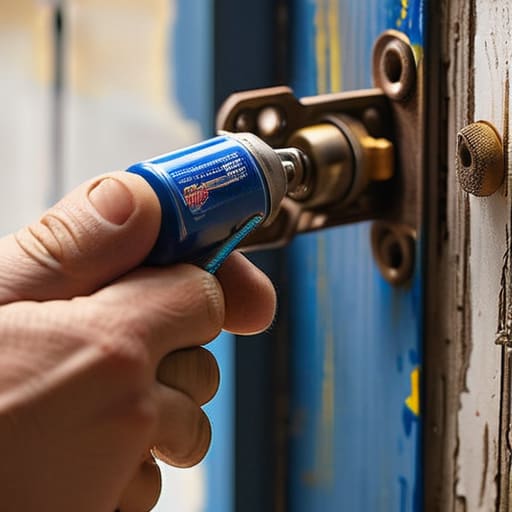
So, you’ve got the tools out, but you’re staring at two very different cans and wondering which one won’t make a mess of your apartment. This is the classic WD-40 vs silicone spray for doors debate. Here’s the deal: most people reach for the classic blue and yellow can because it’s everywhere, but it’s actually more of a solvent than a long-term lubricant. It’s great for breaking up rust or cleaning out gunk from old hinges, but it tends to evaporate pretty quickly. If you use it, you might find yourself back in this same position by next month.
If you want to actually set it and forget it, I’d suggest going with a silicone spray. It’s a bit more “pro” in terms of door hinge maintenance tips because it creates a slick, protective layer that doesn’t attract nearly as much dust or hair. It stays put, which is a lifesaver if you’re trying to avoid constant upkeep. Honestly, if you’re just looking for a quick fix using common household items to fix squeaky doors, even a tiny bit of cooking oil on a cotton swab can work in a pinch—just don’t make it a habit, or things will get sticky and gross real fast.
Quick Household Items to Fix Squeaky Doors Right Now
Look, I get it. Sometimes you realize that door is driving you crazy at 11 PM, but you don’t feel like digging through the garage for a specific can of spray. If you’re in a pinch, you can actually use stuff you probably already have in your kitchen or bathroom cabinet. A little bit of cooking oil or even olive oil on a Q-tip works wonders for lubricating door hinges in a pinch. Just a tiny drop goes a long way—don’t go overboard or you’ll end up with a sticky mess that attracts dust.
If you’re feeling a bit more “DIY,” grab a bar of soap or a piece of paraffin wax from a candle. Rubbing the dry soap along the hinge mechanism is one of my favorite low-tech hacks for silencing noisy doors without any chemical smell. It’s not a permanent fix, but it’s a solid way to get through the night. Just remember that these are temporary measures; if the squeak keeps coming back, you’ll eventually want to look into more serious door hinge maintenance tips or go the full route with a proper lubricant. It’s all about finding that quick win when you just need a little peace and quiet.
Pro-Tips to Keep the Silence (and Your Sanity)
- Don’t just spray and pray. If you’re using a lubricant, try to aim it right at the pin rather than just coating the whole door. You want the stuff actually getting into the mechanism, not just making a mess on your floor.
- Keep a few old microfiber cloths handy. Once you’ve applied whatever fix you’re using, wipe away the excess immediately. If you let it drip and dry, you’re just going to end up with a sticky, dust-attracting smudge on your hardware.
- If you decide to go the “deep clean” route by removing the hinge pins, do it when you actually have a spare twenty minutes. There is nothing worse than taking a door off its hinges only to realize you have a Zoom call starting in three minutes.
- Listen closely to the rhythm of the squeak. If it’s a high-pitched chirp, it’s usually just friction; if it’in a heavy grinding sound, you might actually have a loose screw or a misaligned hinge that needs tightening more than it needs oil.
- Use your notebook to track what worked. It sounds extra, but if you used a specific silicone spray on the bedroom door and it worked perfectly, jot it down. Next time the kitchen door starts acting up, you won’t be standing in the hardware aisle guessing again.
The TL;DR for a Quieter Home
Don’t overthink it—if you’re in a pinch, a bit of cooking oil or even some Vaseline from the bathroom cabinet will get the job done until you can grab the real stuff.
Choose your lubricant wisely; use silicone spray for a long-term fix that won’t attract dust, and save the WD-40 for when you just need to break a stubborn, rusted hinge loose.
Treat it like any other small task—don’t wait for the squeak to drive you crazy. Spend five minutes fixing it now so you don’t have to deal with the annoyance all week.
The Sound of Silence
At the end of the day, fixing that squeak isn’t about becoming a master handyman; it’s just about choosing the right tool for the job. Whether you decided to go the professional route with some silicone spray or you just grabbed some cooking oil from the kitchen to get through a quick fix, you’ve successfully eliminated a tiny, nagging friction point in your environment. Remember, if you’re looking for a long-term solution, a bit of heavy-duty lubricant on the hinges is your best bet, but don’t overthink it. The goal was to stop the noise, and you’ve already done the heavy lifting.
I know it seems like a small thing—just a door making a little bit of racket—but these little wins actually matter. There is something incredibly satisfying about identifying a small problem, applying a simple solution, and watching your space become a little more peaceful. It’s a reminder that we don’t have to solve every massive life crisis all at once. Sometimes, the best way to feel like you’re back in control is to just tackle the small stuff and reclaim your quiet. Now, go enjoy the silence and maybe grab a coffee; you’ve earned a productive, noise-free Tuesday.