Learning to Eat Mindfully for Better Digestion and Enjoyment

I was staring at my laptop screen last Tuesday, halfway through a lukewarm bowl of pasta, when I realized I couldn’t actually tell you what the sauce tasted like. I had just inhaled the entire thing while responding to Slack messages, treating my lunch like a background task rather than an actual meal. We’ve been sold this idea that mindful eating requires expensive organic meal kits, silent meditation retreats, or a complete spiritual awakening every time you pick up a fork. Honestly? That sounds exhausting and, frankly, a little bit fake.
I’m not here to tell you to transform your entire relationship with food overnight or buy a bunch of wellness gadgets you don’t need. Instead, I want to share the small, actually useful tweaks I’ve used to stop treating my meals like an afterthought. We’re going to look at how to reclaim a few minutes of your day without adding more stress to your schedule. My goal is to give you a realistic way to practice mindful eating that fits into a messy, busy life—because you don’t need a life overhaul, you just need a better way to handle Tuesday.
Mastering Sensory Awareness During Meals
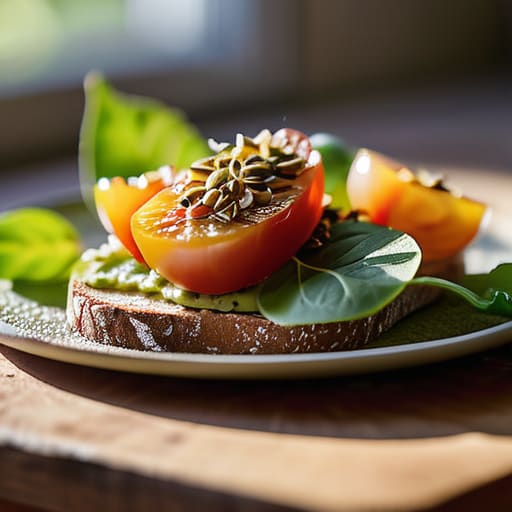
Most of us treat lunch like a side quest—something we squeeze in between Zoom calls and Slack notifications. I used to be the king of this, inhaling a turkey sandwich while staring at a spreadsheet, only to realize ten minutes later that I hadn’t even tasted it. To break that cycle, I started focusing on sensory awareness during meals. It sounds a bit “woo-woo,” but it’s actually pretty practical. Before you take that first bite, just look at your food. Notice the colors, the textures, and even the steam rising off the plate. It sounds simple, but it forces your brain to actually register that you’re about to eat, rather than just fueling a machine on autopilot.
Once you start, try to pay attention to the mechanics of the meal. How does the crunch of a salad actually feel? Is the sauce savory or more on the sweet side? By slowing down and leaning into these details, you’ll naturally start to pick up on your satiety cues and hunger signals. It’s much harder to accidentally overeat when you’re actually present for the experience. You aren’t trying to turn every meal into a three-hour meditative retreat; you’re just trying to stop treating your food like background noise.
Simple Mindful Eating Benefits for Digestion Flow

It’s easy to forget that digestion doesn’t just start in your stomach; it actually kicks off in your brain. When I’m rushing through a project or staring at a spreadsheet, I tend to swallow my food almost whole, which is basically a recipe for that heavy, bloated feeling by 3:00 PM. By slowing down, you’re actually giving your body the green light to do its job. One of the biggest mindful eating benefits for digestion is simply allowing your nervous system to switch from “fight or flight” mode into “rest and digest.” When you aren’t treating your lunch like a race, your body can actually process nutrients instead of just panicking through them.
Beyond the physical mechanics, paying attention to your meal helps you reconnect with your body’s internal compass. We’ve all been there—finishing a bag of chips or a massive bowl of pasta without even realizing we were full. When you lean into distraction-free eating habits, you start to actually hear your satiety cues and hunger signals. It’s not about restriction or following some intense diet; it’s just about knowing when you’ve actually had enough. It turns eating from a mindless chore into a way to actually listen to what your body is asking for.
Five ways to actually eat your lunch (without the chaos)
- Put the phone in another room. I know, it sounds extreme, but scrolling through TikTok while eating is the fastest way to finish a meal without actually realizing you’ve eaten anything at all.
- Try the “one-bite pause.” After every few bites, just stop. Take a breath, look out the window, or just exist for ten seconds before the next forkful. It breaks that mindless autopilot mode.
- Actually chew your food. I’m serious. It sounds a little weird, but focusing on the texture and the actual effort of chewing forces your brain to acknowledge that you’re refueling, not just performing a task.
- Use smaller plates if you’re feeling overwhelmed. It’s a low-effort psychological trick—smaller portions on smaller plates make the meal feel more intentional and less like a mountain of food you have to conquer.
- Listen for the “full” signal. Instead of eating until the plate is empty or until you feel heavy, check in with yourself halfway through. Ask, “Am I actually still hungry, or am I just eating because it’s there?”
The "Tuesday-Proof" Mindful Eating Cheat Sheet
Stop trying to meditate over a salad; just focus on one thing, like the texture of your food or the actual flavor, for the first three bites.
If you find yourself inhaling your lunch while staring at a spreadsheet, physically move away from your desk—even if it’s just to the kitchen counter.
Don’t aim for perfection or a complete diet overhaul; just aim to actually taste your food instead of treating it like fuel you need to swallow as fast as possible.
The Tuesday Strategy
Look, I’m not suggesting you sit in total silence with a single grain of rice for twenty minutes every afternoon. That’s not realistic for anyone with a job or a life. But if you can take away just one thing, let it be this: mindful eating isn’t about perfection; it’s about reclaiming your attention. Whether you’re focusing on the actual texture of your food to help your digestion or just trying to notice the flavors instead of scrolling through your feed, you’re building a bridge back to yourself. It’s about those small, sensory wins that stop your lunch from becoming just another chaotic task on a to-do list.
At the end of the day, your relationship with food is just one part of how you navigate the world. You don’t need a massive lifestyle pivot to start feeling more grounded. Just try to be a little more present during your next meal—even if it’s just for three bites. Life is going to stay messy, and Tuesdays are always going to feel a little frantic, but you can still find small pockets of calm right in the middle of it. Start small, keep it simple, and just focus on the next bite.