Healing and Recovering From Professional Burnout

I was staring at my vintage mechanical keyboard last Thursday, listening to the rhythmic clack-clack-clack of my typing, when I realized I couldn’t actually remember what I was writing. My brain felt like a browser with fifty tabs open, all of them frozen, and the heat from my laptop was the only thing making me feel alive. That’s the thing about dealing with burnout; it doesn’t always look like a dramatic breakdown in a coffee shop. Sometimes, it’s just a quiet, heavy realization that you’ve become a ghost in your own life, drifting through tasks without actually being there.
I’m not here to sell you a $200 mindfulness retreat or tell you that a weekend of “digital detoxing” is going to magically fix your career. We both know that’s not how reality works. Instead, I want to talk about the small, slightly unglamorous shifts that actually move the needle when you’re feeling fried. I’m going to share the low-stakes habits I use to reclaim my energy, focusing on what actually works when your schedule is a mess and your motivation is non-existent. Let’s figure out how to handle the Tuesday instead of trying to fix your entire existence at once.
Spotting the Signs of Emotional Exhaustion Before They Win

For me, it usually starts small. It isn’t some dramatic, cinematic breakdown; it’s more like a slow leak in a tire. I’ll be sitting at my desk, staring at a simple spreadsheet, and suddenly I feel this heavy, inexplicable dread. You might notice it in the way you react to a simple Slack notification—if a “hey, quick question” from a client makes you want to physically throw your laptop across the room, that’s a massive red flag. These are the subtle signs of emotional exhaustion that we often brush off as just “having a bad week,” but they’re actually your brain’s way of signaling that the tank is empty.
It also shows up in how you handle your downtime. If you’re spending your entire evening scrolling through mindless videos just to numb the noise, or if you find yourself feeling completely detached from the things you usually love—like my keyboard restoration projects—you’re likely hitting a wall. Instead of seeing these moments as laziness, try viewing them as a desperate need for better work-life balance strategies. When your brain starts choosing numbness over engagement, it’s not a character flaw; it’s a symptom that you’ve been running on fumes for way too long.
Tiny Coping Mechanisms for Chronic Stress on Bad Days
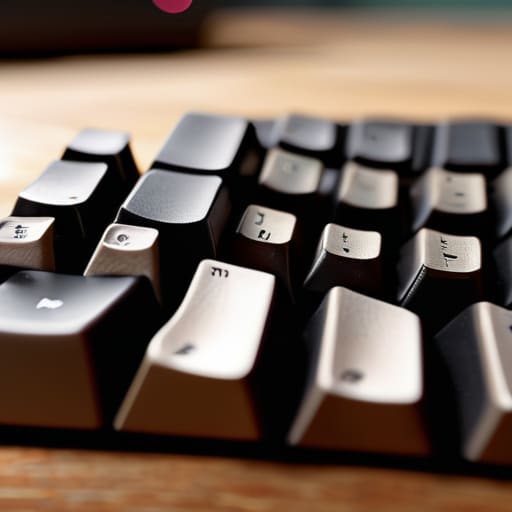
When you’re in the thick of it, the idea of a “wellness retreat” feels like a joke. You don’t have the bandwidth for a weekend in the mountains; you have a deadline in two hours. On those days, I lean into what I call “micro-interventions.” Instead of trying to overhaul my entire schedule, I focus on tiny coping mechanisms for chronic stress that take less than five minutes. For me, that’s usually a tactile reset—cleaning a single key on one of my vintage keyboards or just sitting in silence without my phone. It’s not about fixing your life; it’s about lowering the volume of the chaos just enough so you can breathe.
Another thing that helps when the mental fog rolls in is setting “low-stakes boundaries.” If I’m feeling the weight of a heavy workload, I’ll implement a strict rule: no checking Slack after 7:00 PM, even if it’s just for one night. These aren’t permanent work-life balance strategies, but rather emergency measures to prevent a total meltdown. It’s about finding those small, functional wins that keep you upright. Sometimes, success isn’t hitting every goal on your Trello board; sometimes, success is just making it to Wednesday without losing your cool.
The Low-Stakes Strategy: 5 Ways to Reclaim Your Brain
- Stop trying to “optimize” your rest. When I’m hitting a wall, I used to try to schedule “productive relaxation” like reading a non-fiction book, which just felt like more work. Now, I just let myself be bored. Sit on the couch, stare at the ceiling, or listen to a record without checking my phone. Real rest doesn’t need a goal.
- Audit your “micro-commitments.” We often burn out not from the big projects, but from the fifty tiny things we said “yes” to in passing. Check your digital calendar and your physical notebook. If there’s a meeting or a task that doesn’t actually move the needle for you, give yourself permission to push it to next week or just drop it entirely.
- Create a “sensory reset” ritual. My workspace can get pretty chaotic, and when my brain starts buzzing, I need to break the loop. For me, it’s cleaning my mechanical keyboard or making a single, really good cup of tea. It’s a small, tactile way to tell my nervous system that the workday is actually over.
- The “One Small Win” rule. Burnout makes everything feel like a mountain. Instead of looking at your entire to-do list, pick one thing—just one—that takes less than ten minutes. Finishing it gives you a tiny hit of dopamine that can help break the paralysis of feeling overwhelmed.
- Build a “low-capacity” version of your habits. If your routine is “go to the gym for an hour,” but you’re running on empty, don’t skip it and feel guilty. Just do the low-capacity version: a ten-minute walk or five minutes of stretching. Keeping the rhythm is more important than the intensity when you’re struggling to stay afloat.
The Low-Stakes Survival Guide
Stop waiting for a “reset” that isn’t coming; focus on micro-adjustments that make the next hour feel slightly more manageable.
Listen to your body’s weirdest signals—like that sudden urge to stare at a wall or a random loss of interest in your hobbies—because they’re usually early warnings.
Forgive yourself for the messy days, because productivity isn’t a straight line, and sometimes just showing up is a massive win.
The Long Game

At the end of the day, dealing with burnout isn’t about finding some magical, overnight fix that resets your brain to factory settings. It’s about the small stuff we talked about—recognizing when your internal battery is hitting red and having those tiny, low-effort habits ready to go when you don’t have the energy to think. Whether it’s spotting the early signs of exhaustion or just choosing a five-minute walk over another hour of doomscrolling, these micro-adjustments are what keep you from hitting a total wall. You don’t need to solve your entire career trajectory by Friday; you just need to manage the immediate mess one small step at a time.
I know how heavy it feels when you’re stuck in that cycle of feeling constantly drained. It’s easy to feel like you’re failing because you can’t keep up with the “optimized” versions of life you see online. But please remember: productivity isn’t a moral virtue, and your worth isn’t tied to how much you can grind through the chaos. Be patient with yourself on the days when even the simplest task feels like climbing a mountain. Progress isn’t a straight line, and sometimes, the most productive thing you can do is simply give yourself permission to rest and try again tomorrow.