Note-taking Strategies for Better Long-term Retention

I’ve spent way too much money on “productivity ecosystems” that promised to revolutionize my brain, only to realize I was just decorating a digital graveyard of useless information. We’ve been sold this lie that if we just find the perfect, high-tech app or a complex system of color-coded tags, our lives will suddenly fall into place. But honestly? Most of those complex note taking methods are just elaborate ways to procrastinate on actually doing the work. I’ve sat there for hours tweaking a Notion template instead of, you know, actually being productive, and it’s a total trap.
I’m not here to sell you on a shiny new software subscription or a system that requires a PhD to maintain. Instead, I want to share the stripped-back, low-fi strategies that have actually helped me keep my head above water while juggling freelance projects and a chaotic schedule. We’re going to look at a few practical note taking methods that prioritize utility over aesthetics. My goal is to help you find a rhythm that survives a messy Tuesday, focusing on what works when you’re too tired to be a productivity guru.
Digital vs Analog Note Taking Finding Your Tuesday Rhythm
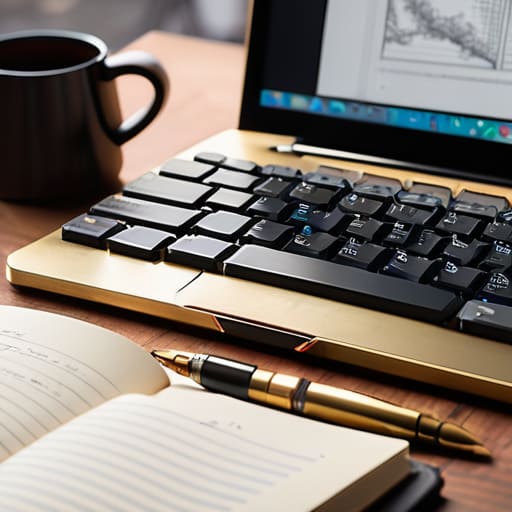
I spend a lot of my time toggling between a mechanical keyboard and a worn-out Moleskine, and if there’s one thing I’ve learned, it’s that the digital vs analog note taking debate isn’t about which one is “better.” It’s about what your brain actually needs in the moment. When I’m deep in a project coordination sprint, I need the speed of a Notion page or a quick Google Doc. Digital is my go-to for things that need to be searchable, sortable, and synced across three different devices before my coffee even gets cold. It’s efficient, but sometimes it feels a little too frictionless—I end up typing words without actually processing them.
That’s where my notebook comes in. When I’m trying to brainstorm or actually absorb a complex idea, I switch to paper. There’s something about the tactile resistance of a pen that forces me into a state of active listening and note taking that a screen just can’t replicate. You can’t “copy-paste” a handwritten thought, so you’re forced to actually synthesize the information. I don’t need a complex system every time; sometimes, I just need a messy page of scribbles to clear the mental fog. The trick is finding that sweet spot where your tools support your flow rather than adding more clutter to an already busy day.
The Cornell Note Taking System for Messy Realities
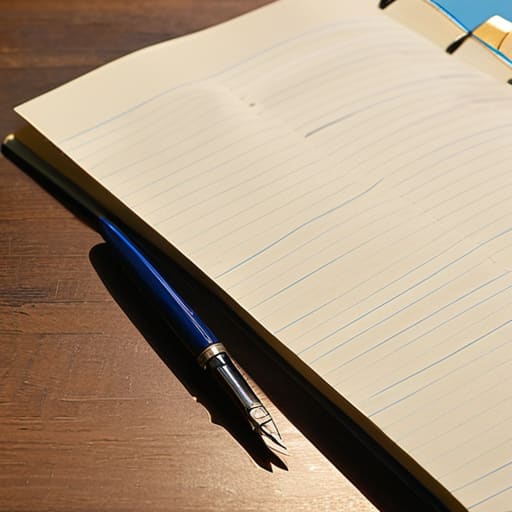
If you’ve ever sat through a meeting or a lecture only to realize your page looks like a frantic, illegible scribble, you need the Cornell note taking system. I used to think this was just some rigid academic thing, but it’s actually a lifesaver for anyone trying to manage information overload. The setup is dead simple: divide your page into three sections—a narrow column on the left, a larger one on the right, and a summary box at the bottom. Instead of just transcribing everything like a stenographer, you use the main area for raw notes and the left column for key cues or questions. It forces you to actually process what’s being said in real-time rather than just mindlessly typing.
The real magic happens when you use it for organizing lecture notes or even just complex project briefings. Once the session is over, you glance at those cues on the left and write a brief summary at the bottom. This isn’t about being perfect; it’s about creating a roadmap for your future self. It turns a chaotic mess of data into something you can actually scan when your brain is fried on a Wednesday morning. It’s one of those small, repeatable habits that keeps the mental clutter from piling up.
Five ways to make your notes actually work for you
- Stop trying to transcribe everything. If you’re writing down every single word your boss says, you aren’t actually processing the info; you’re just acting like a human stenographer. Focus on the “why” and the “what next” instead of just the “what.”
- Embrace the messy middle. Your notes don’t need to look like a Pinterest-perfect bullet journal to be effective. A scribble in the margin or a quick arrow connecting two ideas is worth way more than a perfectly centered heading that took you ten minutes to draw.
- Build in a five-minute “reset” period. At the end of a meeting or a study session, take five minutes to scan what you just wrote. Highlight the one thing that actually matters or circle a deadline. If you don’t do this immediately, those notes are just going to become digital or paper clutter.
- Use a “parking lot” for distractions. When you’re in the zone and a random thought pops up—like needing to buy milk or a weird project idea—don’t let it derail your flow. Jot it down in a dedicated “parking lot” section at the bottom of your page and get back to the task at hand.
- Pick one “home” for your most important stuff. Whether it’s a specific notebook or a single app, don’t scatter your vital info across three different platforms. You don’t need a complex ecosystem; you just need to know exactly where to look when Tuesday starts getting chaotic.
The TL;DR for your Tuesday
Stop searching for the “perfect” system and just pick one that doesn’t feel like a chore; the best method is the one you actually use when things get hectic.
Mix your tools to suit the vibe—use digital for the heavy lifting and searchable archives, but keep a physical notebook handy for quick thoughts and staying present.
Focus on the review, not just the capture; a note is only useful if you actually look back at it when you need to turn that information into action.
Finding Your Flow

At the end of the day, there isn’t a single “perfect” system waiting to be discovered in a productivity app or a high-end planner. Whether you’re leaning into the tactile satisfaction of my trusty pocket notebook or leveraging a digital setup to keep your freelance projects on track, the goal is the same: reducing the mental friction of your day. We’ve looked at how digital tools offer speed and Cornell notes provide structure, but the real winner is whatever method actually sticks when you’re halfway through a stressful Wednesday. Don’t get bogged down trying to build a masterpiece; just focus on capturing the signal through the noise so you can actually clear your head.
I used to think that if my notes weren’t aesthetically perfect, they weren’t working. I was wrong. Note-taking isn’t about creating a beautiful archive; it’s about making space for your brain to breathe. If a method feels like a chore, drop it. If it feels like it’s helping you navigate the chaos, keep it. Remember, you aren’t trying to optimize your entire existence—you’re just trying to find a slightly better way to handle the small stuff. Start small, stay flexible, and let your systems serve you, rather than the other way around.