A Beginner’s Crash Course in Sewing Essentials
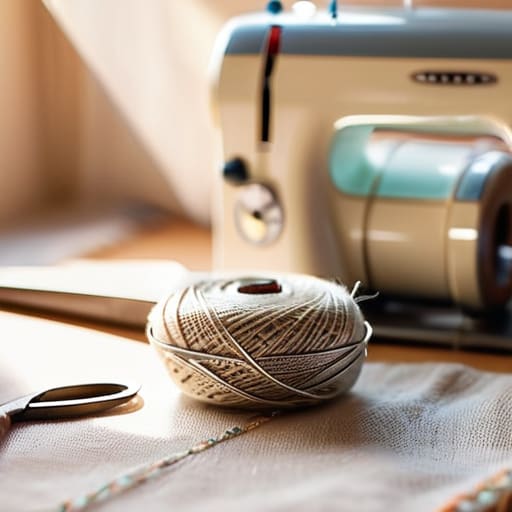
I remember sitting on my floor three years ago, surrounded by a mountain of expensive fabric and a sewing machine that felt more like a high-tech puzzle than a tool. I had watched all the polished tutorials where everything looks effortless, but my reality was a tangled mess of thread and a growing sense of frustration. Most people make the mistake of thinking you need a studio full of specialized gear to start, but honestly, that’s just a way to make the hobby feel intimidating. If you’re looking for the truth about sewing basics for beginners, you don’t need a professional setup; you just need to stop letting the complexity gatekeep your creativity.
I’m not here to sell you on a lifestyle overhaul or a massive, expensive kit. My goal is to strip away the fluff and give you the actual, functional steps that helped me find my rhythm when my schedule was at its messiest. We’re going to focus on the small, repeatable skills—the kind that actually matter when you’re staring at a seam ripper. Think of this as a low-stress guide to handling the tiny details so you can actually enjoy the process without losing your mind.
The Essential Sewing Machine Tools You Actually Need
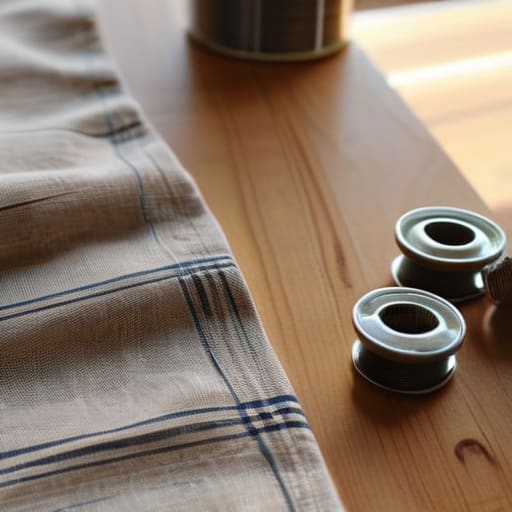
Look, you don’t need to go out and buy a professional-grade studio setup to get started. I’ve definitely fallen into that trap before—thinking that having every gadget in the catalog would somehow make me a better maker. In reality, most of that is just clutter. To keep things manageable, I stick to a very curated sewing notions and supplies list that actually fits on my desk without feeling overwhelming. You really just need a decent pair of fabric shears (never use them on paper, seriously), a seam ripper for when things inevitably go sideways, and a handful of high-quality glass-head pins.
When it comes to the machine itself, don’t get bogged down in the technical specs. Your priority should be understanding the basics of your specific model. Before you even touch a piece of cloth, spend some time learning how to thread a sewing machine correctly; it sounds basic, but it’s the number one reason projects end up looking wonky. Once you’ve got the threading down and a few universal needles on hand, you’re already ahead of the curve. Keep your workspace minimal, keep your tools sharp, and focus on the small, steady wins rather than the expensive gear.
A Realistic Sewing Notions and Supplies List for Tuesdays
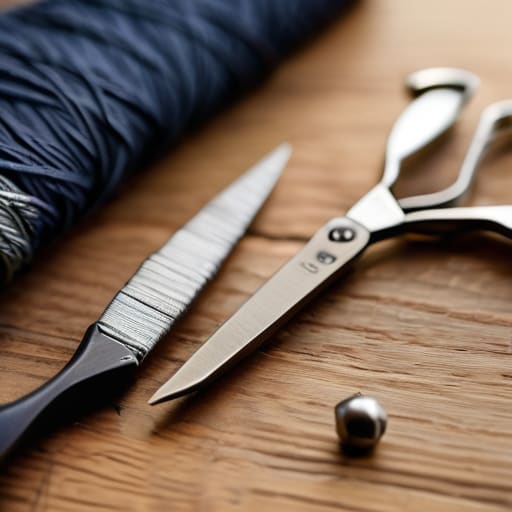
Look, I’ve definitely been the person who walks into a craft store thinking I need every single gadget in the aisle, only to realize half of them are just expensive clutter. When you’re just trying to get through a Tuesday project, you don’t need a professional studio; you just need a solid sewing notions and supplies list that covers the fundamentals. Start with a decent pair of fabric shears—and please, for the love of everything, never use them on paper—a seam ripper (your new best friend when things go sideways), and a handful of versatile all-purpose thread colors.
Beyond the heavy machinery, don’t overlook the small stuff that keeps your workflow smooth. A pack of glass-head pins and a reliable measuring tape are non-negotiable. I also highly recommend picking up some tailor’s chalk; it makes marking your lines so much less intimidating. If you’re just starting out, try to stick to common sewing mistakes to avoid by not overbuying specialized tools for specific fabrics yet. Just grab the basics, get comfortable with the tension, and focus on the rhythm of the work. Once you’ve mastered the simple stuff, then we can talk about the fancy specialty kits.
Five ways to keep your sewing practice from becoming a total mess
- Start with something forgiving. Don’t try to sew a structured blazer or a silk slip on day one; grab some cotton scrap or an old pillowcase. You want a fabric that stays where you put it so you can actually focus on your stitches without fighting the material.
- Embrace the seam ripper as your best friend. Look, I’ll say it: you are going to mess up. Even the pros do. Instead of getting frustrated and wanting to throw the whole machine out the window, just view the seam ripper as a “reset button” for your project.
- Slow down your pace. There is this weird pressure to sew as fast as the people you see on TikTok, but speed is the enemy of precision. If you take it slow, your tension stays consistent and you won’t end up with a bunch of puckered fabric that looks like a crumpled napkin.
- Measure twice, cut once—and then maybe measure a third time. It sounds like a cliché for a reason. There is nothing more soul-crushing than realizing you cut your fabric an inch too short right when you’re getting into a flow. Double-check those markings.
- Keep a small “project log” in a notebook. I do this with my keyboard builds, and it works wonders for sewing too. Jot down what needle size you used or how much seam allowance you set. It turns a chaotic mess of trial and error into a repeatable system you can actually learn from.
The low-stakes approach to starting your sewing journey
Forget the “perfect” setup; just grab the core essentials so you can actually start making things without feeling overwhelmed by a massive shopping list.
Treat your first few projects as practice runs for your hands, not high-stakes fashion shows—it’s okay if the first few stitches are a bit wonky.
Focus on building small, repeatable sewing habits rather than trying to master a complex garment in one weekend; just aim to get one seam straight today.
Just Start Where You Are
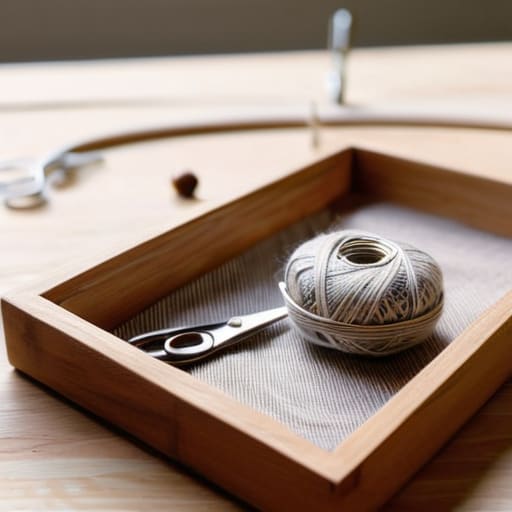
Look, if you’re feeling a little overwhelmed by the sheer amount of thread, needles, and machine parts we just went through, take a breath. You don’t need a professional studio or a massive investment to get this moving. All you really need is that basic kit we talked about—the essentials that actually help you make progress without cluttering your desk. Remember, the goal isn’t to own every gadget in the catalog; it’s about having the right tools in your hands when you finally decide to sit down and stitch. Keep it simple, keep it functional, and don’t let the “perfect” setup stand in the way of your first seam.
At the end of the day, sewing is just another way of navigating the chaos of life, one small stitch at a time. You’re going to mess up a hem, you’re going to run out of bobbin thread at the worst possible moment, and honestly? That’s part of the charm. Don’t aim for a runway-ready masterpiece on your first go; just aim to finish one small thing this week. Whether it’s a simple drawstring bag or just practicing straight lines on some scrap fabric, those tiny wins are what actually build the skill. Just handle today, and the rest will follow.