Staying Focused in an Age of Constant Distraction

I was sitting at my desk last Tuesday, surrounded by three half-empty coffee mugs and the rhythmic, mechanical clack-clack of my vintage keyboard, staring at a blinking cursor that felt like it was mocking me. I had twenty tabs open, my phone was buzzing with useless notifications, and I realized I’d spent the last forty minutes researching something completely unrelated to my actual job. We’re constantly told that learning how to focus better requires some expensive, high-tech biohacking setup or a complete digital detox, but honestly? That’s mostly just noise. Most of the advice out there is designed to sell you a lifestyle you don’t have time for, rather than actually helping you get through your to-do list.
I’m not here to pitch you a productivity cult or a complicated five-step morning ritual that takes two hours to complete. Instead, I want to share the small, messy, and actually functional tactics I use to keep my head above water when my freelance schedule starts feeling chaotic. We’re going to skip the grand life overhauls and focus on the tiny, repeatable habits that help you reclaim your attention. Let’s figure out how to win your afternoon without needing to reinvent your entire existence.
Simple Brain Fog Remedies for Messy Mornings

We’ve all been there: you wake up, stare at your ceiling for ten minutes, and realize your brain feels like it’s stuck in a thick, gray sludge. When that happens, trying to force yourself into a high-intensity sprint is a losing battle. Instead of fighting the haze, I’ve found that the best brain fog remedies are actually pretty low-stakes. Start with a glass of water and a five-minute window of zero input. That means no scrolling, no podcasts, and no checking Slack. Just let your eyes rest on something non-digital. It sounds basic, but giving your nervous system a moment to calibrate before you hit the caffeine can make a massive difference in how your morning unfolds.
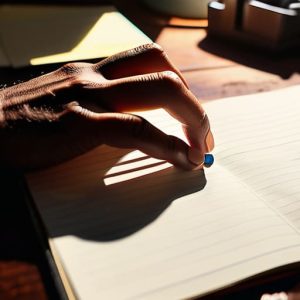
Once the fog lifts just enough to function, I lean heavily into minimizing digital distractions to keep the momentum going. If I try to dive into a complex project while my head is still heavy, I’ll end up down a rabbit hole of useless tabs. I usually grab my physical notebook—the one I carry everywhere—and scribble down just three tiny, non-negotiable tasks. Not a massive to-do list, just three things. By narrowing my field of vision, I stop the mental spinning and give my brain a clear, easy path to follow.
Practical Productivity Hacks for Attention When Life Hits

When things start falling apart—maybe a deadline moved up or your neighbor decided 2:00 PM is the perfect time for construction—you can’t rely on “feeling motivated.” You need a system that works even when you’re running on fumes. For me, that means leaning heavily into minimizing digital distractions before they have a chance to hijack my brain. I’ve started using a “phone jail” method: I put my phone in a different room, not just face down on the desk. If it’s in my line of sight, my brain is already half-distracted by the potential for a notification.
Once the digital noise is dialed down, I lean into specific deep work techniques to bridge the gap between chaos and clarity. I’m a big fan of the Pomodoro method, but with a twist. Instead of strict 25-minute blocks, I try to work in “sprints” based on the energy I actually have. If I feel a wave of momentum, I ride it. If I’m hitting a wall, I take a five-minute tactical reset—no scrolling, just staring at a wall or grabbing water. It’s not about being a productivity machine; it’s about protecting your attention when the world is trying to steal it.
Small Tweaks to Stop the Mental Drift
- Stop the “tab hopping” madness. If you have twenty browser tabs open, your brain thinks it has twenty different jobs to do. Close everything that isn’t essential to the one thing you’re doing right now. If you’re scared of losing something, use a bookmark folder, but get those tabs out of your sight.
- Use the “analog buffer” trick. Whenever I feel my focus starting to fray, I reach for my physical pocket notebook. Writing down a single, tiny task—like “reply to that one email”—grounds me back in reality and pulls me away from the endless scroll of my phone.
- Try “low-fi” soundscapes instead of lyrical playlists. Music with words is basically just another person talking to you while you’re trying to work. Stick to brown noise, ambient cafe sounds, or lo-fi beats. It creates a sonic wall that keeps the world out without demanding your attention.
- Set a “micro-timer” for the tasks you’re dreading. Don’t tell yourself you’re going to work for three hours; tell yourself you’re going to work for fifteen minutes. It’s much easier to convince your brain to focus when the finish line is only a few breaths away.
- Curate your physical workspace for “visual quiet.” If your desk is covered in old coffee mugs and random mail, your eyes are constantly processing that clutter. Clear a small square of space just for your laptop and a notebook. If your immediate view is clean, your head usually follows.
The TL;DR for a Better Focus
Stop waiting for a “perfect” morning to start being productive; if you’re starting your day in a fog, just focus on one small, tactile task to get your brain online.
Forget massive time-blocking systems that feel like a chore—just build tiny, repeatable habits that protect your attention when things get chaotic.
Productivity isn’t about doing more; it’s about having a better way to handle the messy parts of your day without losing your mind.
The Tuesday Survival Guide

Look, we’ve covered a lot of ground here—from clearing out that morning brain fog to finding those tiny, practical hacks that keep you upright when your to-do list starts looking like a mountain. The main takeaway isn’t that you need to become a productivity robot or download some high-tech, life-changing app. It’s actually the opposite. It’s about realizing that focus is a fragile thing that needs a little bit of grace and a lot of small, manageable adjustments. Whether it’s a quick reset when things get messy or just setting better boundaries with your notifications, these small wins are what actually keep the wheels turning when life gets loud.
At the end of the day, please don’t beat yourself up if you have a day where your brain just refuses to cooperate. Some days are for crushing projects, and some days are just for surviving the chaos and making it to bedtime. Focus isn’t a permanent state of being; it’s just a skill you practice, one tiny habit at a time. Stop waiting for the “perfect” moment of clarity to arrive and just start where you are. Even if you only get one small thing done today, you’re still moving forward. And honestly? That’s more than enough.