Staying Fit When You Spend Most of Your Day Sitting
I used to think that if I wanted to stay healthy while working remotely, I needed to transform my tiny apartment into a makeshift CrossFit box or buy one of those ridiculous, overpriced standing desks that look like they belong in a sci-fi movie. But honestly? Most of that wellness influencer advice is just noise designed to make you feel guilty for sitting down. I realized that learning how to stay active at work shouldn’t feel like a second job or a massive logistical headache. You don’t need a gym membership or a complete lifestyle overhaul just to stop feeling like a human pretzel by 3:00 PM.
Instead, I want to talk about the small, slightly messy ways I actually keep myself moving without losing my focus. I’m not here to sell you on a 45-minute midday HIIT session that leaves you sweaty for your next Zoom call. My goal is to share a few low-effort, high-impact habits that actually fit into a chaotic Tuesday. We’re going to focus on tiny, realistic adjustments—the kind of stuff that actually works when you’re deep in a project and just trying to survive the workday.
Micro Breaks for Productivity Small Wins for Busy Days
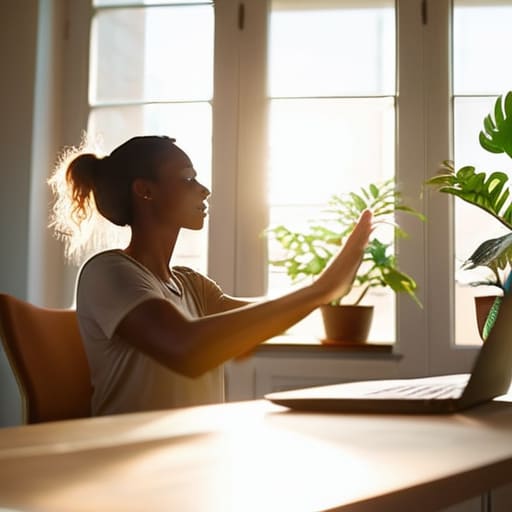
I used to think that being “productive” meant locking myself in a chair for four hours straight, eyes glued to my monitor until my neck felt like it was made of rusted iron. But honestly? That’s the fastest way to burn out. I’ve learned that the real secret to keeping my momentum is leaning into micro-breaks for productivity. Instead of waiting for that 5:00 PM crash, I try to bake in tiny, sixty-second resets throughout the afternoon. It might just be a quick shoulder roll or a moment to stand up and reach for the ceiling, but it breaks that static tension before it turns into a full-blown headache.
I’ve also started being more intentional about my physical environment. I’m not talking about a complete, expensive overhaul, but rather small tweaks to my ergonomic workstation setup to make movement feel more natural. If I can position my water bottle just far enough away that I actually have to stand up to grab it, I consider that a win. It’s these tiny, almost invisible shifts that help with reducing sedentary behavior at work without making me feel like I’m constantly interrupting my flow. It’s about working with your body, not just fighting against it.
Reducing Sedentary Behavior at Work Without the Overhaul
Look, I get it. The idea of buying a $500 standing desk or committing to a midday yoga session feels like a massive chore when you’re already drowning in Slack notifications. Most of the time, we aren’t looking for a lifestyle redesign; we’re just looking for ways to stop feeling like a human pretzel by 3:00 PM. One of the easiest ways to start reducing sedentary behavior at work is to stop treating your chair like a permanent fixture. I’ve started setting a “movement timer” on my phone—nothing intense, just a nudge to stand up and reset my posture every forty-five minutes.
You don’t need a full gym setup to make an impact. Sometimes, it’s as simple as adjusting your ergonomic workstation setup so you aren’t constantly hunching over your laptop. I’ve found that even tiny adjustments—like elevating my monitor so my neck isn’t strained or placing my water bottle just far enough away that I have to reach—can make a difference. It’s about those small, intentional shifts that prevent that heavy, sluggish feeling from setting in. We aren’t trying to win an Olympic medal here; we’re just trying to make sure our bodies don’t stage a protest before the workday is actually over.
Low-Stakes Ways to Move Without Losing Your Flow
- The “Hydration Hack”—use a smaller water glass instead of a massive jug. It sounds silly, but it forces you to get up and walk to the kitchen more often, giving your legs a break from being glued to your chair.
- Stand up during the “low-brain” tasks. If you’re just clearing out your inbox or doing mindless admin work that doesn’t require deep focus, try doing it standing at a counter or a high shelf. It keeps the energy up without the mental strain.
- Set a “Meeting Transition” ritual. Instead of jumping straight from a Zoom call into your next task, take sixty seconds to just stretch your arms or roll your shoulders. It’s a tiny reset that prevents that mid-afternoon stiffness from setting in.
- Use your phone calls as walking opportunities. If you don’t need to be staring at a screen to take a call, put your headset on and pace around your room. It’s much easier to hit a step goal when you aren’t consciously “working out.”
- The 20-20-20 rule, but for your body. Every 20 minutes, look away from your screen for 20 seconds, and use that moment to do a quick seated stretch. It’s not a gym session, but it stops your muscles from feeling like they’ve turned to concrete by 5:00 PM.
The Low-Stakes Summary
Forget the idea that you need a standing desk or a gym membership to be “active.” It’s really just about finding those tiny, five-minute windows to move your body so you don’t feel like a statue by 3 PM.
Consistency beats intensity every single time. A quick stretch or a walk to grab water is way more sustainable for your workflow than trying to squeeze in a heavy workout during your lunch break.
Listen to your body’s cues instead of your to-do list. If your back is tight or your brain feels foggy, that’s your signal to get up and move—not a sign that you should power through the slump.
Finding Your Rhythm
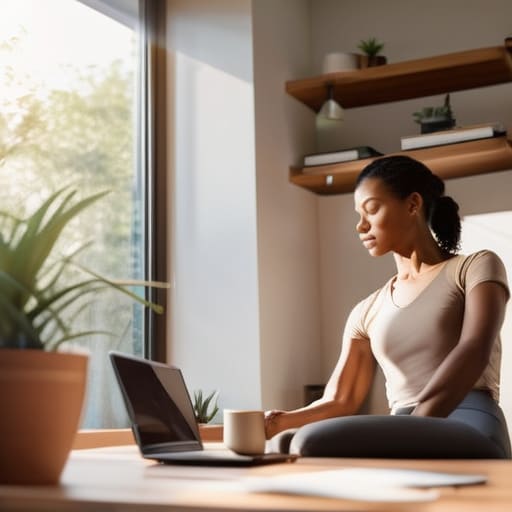
At the end of the day, staying active while working doesn’t mean you need to transform your home office into a CrossFit gym or spend your lunch hour sprinting on a treadmill. It’s really just about those tiny, intentional shifts we talked about—taking a quick stretch when your back starts to ache, standing up during a phone call, or simply choosing to walk while you grab a coffee. It’s about integrating movement into the gaps of your schedule rather than trying to squeeze it into a life that’s already feeling too full. If you can master these small, low-friction wins, you’ll find that the afternoon slump doesn’t hit quite as hard.
I know how it feels when your to-do list is screaming and the last thing you want to do is step away from your desk. But I’ve learned that you aren’t actually being more productive by sitting motionless for eight hours straight; you’re just wearing yourself down. Don’t aim for perfection or a total lifestyle pivot by Monday morning. Just aim to handle Tuesday a little better than you did yesterday. Pick one thing, try it out, and see how it feels. Sometimes, the best way to move forward with your big goals is to just keep moving in the smallest ways possible.