Practical Tips for Increasing Your Daily Water Intake
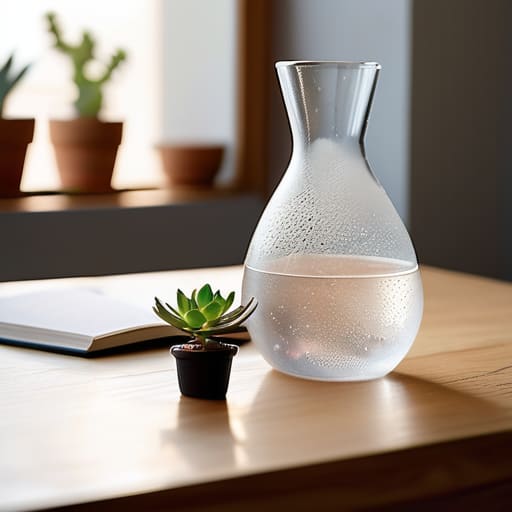
I was staring at my desk yesterday, surrounded by half-finished project briefs and the mechanical click-clack of my keyboard, when I realized I’d spent the last six hours running entirely on lukewarm espresso and sheer spite. We’ve all been told that the secret to wellness is some high-tech, $50 smart bottle that glows when you’re thirsty, but honestly, that’s just more clutter in an already crowded life. Most “expert” advice on how to drink more water feels like it’s designed for someone with a perfectly curated life and zero deadlines. I don’t need a lifestyle overhaul or a subscription to a hydration app; I just need to stop feeling like a shriveled raisin by 3:00 PM.
I’m not here to sell you on a radical wellness transformation or a complicated ritual that takes more energy than it saves. Instead, I want to share the small, low-effort tweaks that actually work when you’re navigating a messy, busy Tuesday. We’re going to focus on practical, tiny habits—the kind you can actually stick to while you’re deep in a workflow—to help you stay hydrated without making it a full-time job.
Recognizing the Subtle Signs of Dehydration
Most of the time, we don’t realize we’re running low on fluids until we’re already hitting a wall. For me, it usually starts with that mid-afternoon brain fog—that specific kind of mental fuzziness where I’m staring at my project board and nothing is making sense. You might think it’s just burnout or a lack of caffeine, but it’s often one of the first subtle signs of dehydration. I’ve also noticed that if I start getting those nagging, dull tension headaches right around 3:00 PM, my body is basically sending me a flare signal that it’s thirsty.
It isn’t always about feeling thirsty, either. Sometimes it shows up as skin that feels a bit more tight or lackluster than usual, or even a sudden craving for something salty. I used to think I just needed more snacks, but I realized my body was actually signaling the importance of electrolytes to help balance things out. Instead of waiting for a full-blown headache to kick in, I’ve started trying to catch these tiny cues early. It’s much easier to grab a glass of water now than to try and recover once you’re already feeling completely drained.
Decoding Your Actual Daily Water Intake Requirements
Look, I used to think the “eight glasses a day” rule was some kind of universal law, like gravity or the fact that my mechanical keyboard switches always need cleaning. But honestly? It’s not a one-size-fits-all situation. Your daily water intake requirements are going to shift depending on whether you’re pulling a twelve-hour shift staring at a monitor or if you actually managed to hit the gym for once. If you’re living in a humid city or just running around more than usual, your body is going to demand more fuel than the standard advice suggests.
It’s also worth noting that it isn’t just about the volume of liquid; it’s about what’s actually in it. If you’re sweating a lot or feeling particularly drained, the importance of electrolytes comes into play. Just chugging plain water can sometimes feel like you’re just passing it straight through without actually feeling refreshed. I’ve found that if I’m feeling sluggish, adding a pinch of sea salt or a squeeze of lemon helps more than just mindless sipping. Instead of obsessing over a perfect number, try to listen to your body’s cues. If you feel a headache creeping in or your focus starts to slip, that’s usually your signal to stop scrolling and grab a glass.
Small Tweaks to Actually Hit Your Goal
- Stop relying on thirst as your guide. By the time you actually feel parched, you’re already playing catch-up. Instead, try the “first thing” rule: drink a full glass of water before you even touch your coffee or check your notifications. It sets a baseline for the rest of the day without much effort.
- Get yourself a decent bottle that you actually like looking at. I know it sounds shallow, but if you have a minimalist, heavy-duty flask sitting on your desk, you’re way more likely to reach for it than if you’re hunting for a random plastic cup in the kitchen.
- Use the “habit stacking” method. If you’re someone who gets lost in deep work or a long Zoom call, tie drinking water to a specific action. Every time you finish a task or hang up a call, take three big gulps. It turns hydration into a tiny, automatic ritual rather than a chore.
- Flavor your water so it doesn’t feel like a punishment. If plain water feels boring, throw in some cucumber slices, a squeeze of lemon, or even some frozen berries. It makes the whole experience feel a little more intentional and a lot less like you’re just forcing down a liquid supplement.
- Keep a physical tally if you need to. I’m a sucker for my pocket notebook, and sometimes seeing a little checkmark next to “water” after a long afternoon of project coordination gives me that small hit of dopamine I need to keep going. It turns a boring necessity into a tiny win.
The Low-Stress Cheat Sheet
Stop aiming for some arbitrary gallon-a-day goal; just listen to your body’s weird signals, like that mid-afternoon brain fog or a random headache, and use them as your cue to grab a glass.
Forget the complicated hydration math—just keep a reusable bottle on your desk so you can sip mindlessly while you’re working through your tasks.
Treat hydration like any other small habit; don’t wait for a “fresh start” on Monday, just try to drink one extra glass during your next chaotic Tuesday.
Just Keep Sipping
Look, we’ve covered a lot of ground here. We talked about how to spot those annoying dehydration headaches before they ruin your flow, and we cleared up the myth that you need to chug gallons of water just to be “healthy.” It really comes down to listening to your body and finding a rhythm that doesn’t feel like a chore. Whether it’s keeping a dedicated bottle on your desk or finally realizing that your afternoon slump is actually just thirst, the goal isn’t perfection. It’s about making small, intentional adjustments so you aren’t running on empty by 3:00 PM. Just focus on consistent, manageable hydration rather than some impossible standard.
At the end of the day, don’t let the science or the math overwhelm you. If you miss your goal one day, or if you spend the whole afternoon caffeinated and forget to grab a glass of water, just reset. You don’t need to perform a complete biological overhaul to feel better; you just need to show up for yourself a little more consistently. Think of it like my vintage keyboards—it’s all about the small, repetitive movements that keep the machine running smoothly. So, grab a glass, take a sip, and just handle your Tuesday one ounce at a time. You’ve got this.