Common Hydration Myths You Need to Stop Following
I spent most of last Tuesday hunched over my desk, trying to finish a project sprint while nursing a massive headache that I was convinced was dehydration. I’d been dutifully chugging water from a gallon jug all morning, following every piece of wellness advice on my feed, yet I still felt like a dried-out sponge. It’s incredibly frustrating how much noise there is around hydration myths—the idea that if you aren’t carrying a massive, expensive smart-bottle or hitting a specific, arbitrary ounce count, you’re somehow failing at basic biology. We’ve turned a simple bodily function into this high-stakes, complicated chore that feels more like a math problem than a way to stay healthy.
I’m not here to sell you a new lifestyle or a fancy filtered pitcher; I just want to help you cut through the nonsense. In this post, I’m breaking down the most common hydration myths using what I’ve actually learned through trial, error, and too many caffeine-fueled workdays. We’re going to focus on small, realistic adjustments that actually work when your schedule is a mess. Let’s stop overcomplicating the basics and just figure out a better way to handle your water intake, one simple sip at a time.
Why Your Daily Water Intake Requirements Are Overrated
We’ve all seen those infographics claiming we need exactly eight glasses a day, like there’s some universal magic number that unlocks peak performance. Honestly, it feels like another chore on an already overflowing to-do list. The truth is, those rigid daily water intake requirements are more of a guideline than a law. Your body isn’t a static machine; it’s reacting to how much coffee you had, the humidity in your apartment, and whether you actually moved your body today.
I used to stress about hitting a specific ounce count, but I realized I was ignoring what my body was actually telling me. Instead of obsessing over a digital tracker, I started paying attention to actual signs of dehydration, like that mid-afternoon brain fog or a subtle headache that usually hits right when I’m trying to focus on a project. It’s less about hitting a quota and more about listening to your own rhythm. If you’re feeling sluggish, grab a glass. If you’re feeling fine, don’t force a gallon down just because an app told you to. Let’s stop treating hydration like a math problem and start treating it like a simple check-in.
Stop Chasing Perfection Real Signs of Dehydration
We’ve all been there: staring at a laptop screen at 3:00 PM, feeling like our brain has turned into lukewarm oatmeal. You might assume you’re just burnt out or need more caffeine, but more often than not, it’s a subtle nudge from your body. Instead of obsessing over a specific number of ounces, start paying attention to how you actually feel. Common signs of dehydration aren’t always a dramatic, parched throat; sometimes it’s just a nagging headache, a weirdly sudden dip in focus, or that mid-afternoon brain fog that makes even a simple email feel like a mountain.
I used to think that if I wasn’t constantly sipping, I was failing. But the truth is, your body is pretty good at communicating if you actually listen. If you notice your concentration slipping, it’s likely a direct hit to your hydration and cognitive function. Rather than panic-drinking a liter of water in one go, try to notice the patterns. Are you getting cranky? Is your skin feeling unusually tight? These are the real metrics that matter. Forget the rigid spreadsheets; let’s just aim to recognize when your system is running on empty before the crash actually hits.
Five Ways to Hydrate Without Making It a Full-Time Job
- Stop obsessing over the “8 glasses a day” rule. It’s a great baseline, but it’s not a law written in stone. Your body isn’t a math equation; if you’re eating plenty of fruits and veggies, you’re already getting a massive head start on your hydration.
- Listen to your thirst, not your tracker. I used to stare at my smart bottle notifications like they were urgent emails, but honestly? If you’re thirsty, drink. If you’re not, don’t force a liter of water down just to check a box.
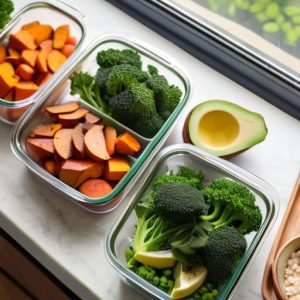
- Use food as your secret weapon. Most people forget that hydration isn’t just about what you sip. Tossing some cucumber into a salad or snacking on watermelon counts toward your total, and it’s way more satisfying than chugging lukewarm tap water when you’re busy.
- Don’t fear the caffeine. There’s this old-school myth that coffee completely dehydrates you. While it’s a diuretic, the water in your morning brew still contributes to your overall fluid intake. Enjoy your latte; just don’t make it your only source of liquid for the day.
- Focus on consistency over volume. Instead of trying to crush a massive amount of water in one sitting—which just leaves you running to the bathroom every twenty minutes—try taking small, intentional sips throughout your workflow. It’s much easier to maintain when you’re in the middle of a project.
The Tuesday-Proof Hydration Cheat Sheet
Stop obsessing over that arbitrary “eight glasses a day” rule; listen to your body’s actual cues instead of a generic number on a screen.
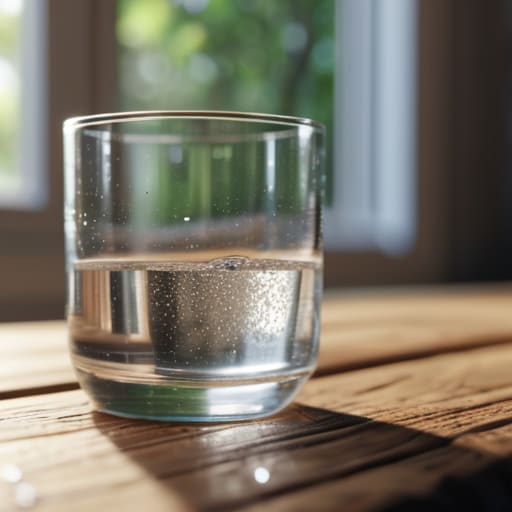
Focus on small, manageable wins—like keeping a glass on your desk while you work—rather than trying to force a massive lifestyle overhaul.
Treat hydration as a way to stay steady through your day, not as another stressful task on your to-do list that you’re failing at.
The Bottom Line on Staying Hydrated
Look, the takeaway here isn’t that you can stop drinking water altogether, but that you can stop obsessing over those arbitrary gallon-a-day rules that make hydration feel like another chore on your to-do list. We’ve covered how your needs change based on the day, how food counts toward your total, and why you should listen to your body rather than a fitness app’s notification. If you’re feeling a bit foggy or your energy is dipping, grab a glass. Don’t worry about hitting a specific number on a spreadsheet; just focus on listening to your internal cues and making small, manageable adjustments as you go through your day.
At the end of the day, my goal isn’t to help you become a hydration expert, but to help you stop stressing over things that don’t actually move the needle. Life is messy enough without adding “perfect water intake” to your list of anxieties. If you can manage to drink a little more when you’re thirsty and a little less when you’re full, you’re already winning. Let’s just aim for better habits, not perfect ones. Focus on making your next sip a good one, and let the rest of the day take care of itself.