Simple Strategies to Reduce Added Sugar in Your Diet

I was sitting at my desk last Tuesday, staring at a half-empty bag of gummy bears and feeling that familiar, aggressive brain fog rolling in, when I realized I was caught in the same trap everyone else is. Most “wellness” gurus act like learning how to reduce sugar in your diet requires a complete kitchen purge and a $200 subscription to some organic meal delivery service. Honestly? That approach is exhausting and, frankly, a little bit fake. I don’t have the bandwidth for a total lifestyle overhaul every time I want to feel better; I just want to get through my project deadlines without a massive energy crash.
I’m not here to sell you on a radical detox or some impossible standard of perfection. Instead, I want to share the small, low-stakes swaps that actually worked for me when my schedule was at its most chaotic. We’re going to look at realistic ways to navigate grocery aisles and office snacks without losing our minds. My goal is to give you a practical toolkit for making better choices on your messiest days, focusing on tiny habits that actually stick.
Mastering the Art of Reading Nutrition Labels for Sugar
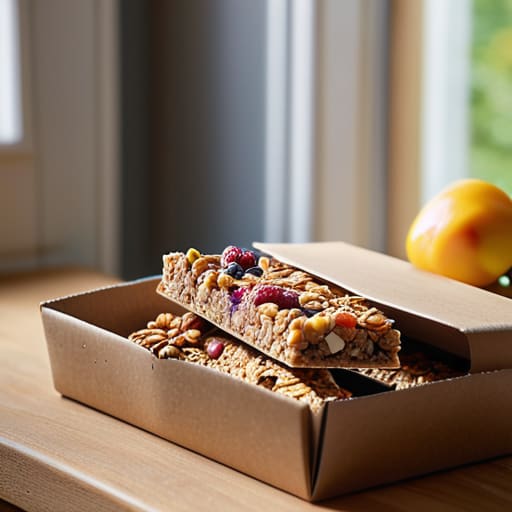
I used to think I was doing fine until I actually sat down and started reading nutrition labels for sugar on the stuff I buy every week. It’s wild how much they hide behind fancy branding. You’ll see a box of crackers or a “healthy” granola bar that looks totally innocent, but then you look at the fine print and realize it’s packed with corn syrup or maltodextrin. These are classic examples of hidden sugars in processed foods that sneak in under different names to keep the ingredient list looking cleaner than it actually is.
My trick is to stop looking at the “Total Sugars” line for a second and flip straight to the ingredient list. If you see words ending in “-ose”—like fructose, dextrose, or sucrose—that’s your cue to pause. I’ve learned that if one of those is in the top three ingredients, it’s basically a dessert in disguise. It’s not about being a perfectionist or a nutrition scientist; it’s just about spotting the patterns. Once you get used to seeing how these additives work, you start making better choices without even having to think about it too hard.
Unmasking the Hidden Sugars in Processed Foods
Here’s the thing about the grocery store: it’s basically a minefield of deception. I used to think that if a box didn’t have “Sugar” plastered on the front in big, bold letters, I was in the clear. Boy, was I wrong. Most of the stuff I was grabbing for a quick lunch—think granola bars, flavored yogurts, or even some of my favorite pasta sauces—was absolutely loaded with hidden sugars in processed foods. They use these clever aliases like maltodextrin, barley malt, or high fructose corn syrup to keep the sugar count looking low on the surface, even when the ingredients list tells a much different story.
It’s honestly a bit exhausting trying to outsmart the marketing, but once you start spotting these patterns, it gets easier. Instead of feeling like you’re failing a chemistry test every time you shop, just try to look for the “stealth” culprits. I’ve found that focusing on whole, single-ingredient foods—the kind that don’t require a translation guide to understand—is the easiest way to avoid the trap. It’s not about being perfect or reading every single line of fine print every single time; it’s just about being a little more skeptical of anything that comes in a colorful, crinkly wrapper.
Small Swaps for When You’re Too Tired to Meal Prep
- Don’t go cold turkey on your morning ritual. If you usually pour a massive amount of sugar into your coffee, just try cutting it by half this week. It’s about retraining your taste buds without making your morning feel like a chore.
- Keep some “emergency” snacks in your desk or bag. Most of my sugar crashes happen when I’m deep in a project and reach for a candy bar because I’m hungry. Having a handful of almonds or a piece of fruit nearby stops the impulse before it starts.
- Watch the liquid sugar. I used to live on flavored lattes and sodas, but that’s basically just drinking dessert. Switching to sparkling water with a squeeze of lime or even just plain iced tea makes a massive difference in how much sugar you’re actually consuming.
- Level up your breakfast. Most cereals and flavored yogurts are sugar bombs in disguise. I’ve found that switching to plain Greek yogurt and adding my own berries or a tiny bit of honey keeps me full way longer and prevents that mid-morning slump.
- Focus on “crowding out” rather than “cutting out.” Instead of obsessing over what you can’t eat, focus on adding more fiber and protein to your meals. When you’re actually satiated by real food, the craving for that sugary afternoon treat usually loses its grip.
Small Wins for the Long Game
Don’t aim for a zero-sugar lifestyle by tomorrow morning; just focus on one swap at a time, like trading your flavored yogurt for something plain with fresh fruit.
Keep your “why” simple—you aren’t doing this to hit a perfect metric, you’re doing it so you don’t crash and burn halfway through your afternoon meetings.
Forgive yourself when you slip up and eat the dessert. A single high-sugar snack isn’t a failure; it’s just a Tuesday. Just get back to your rhythm at the next meal.
The Long Game
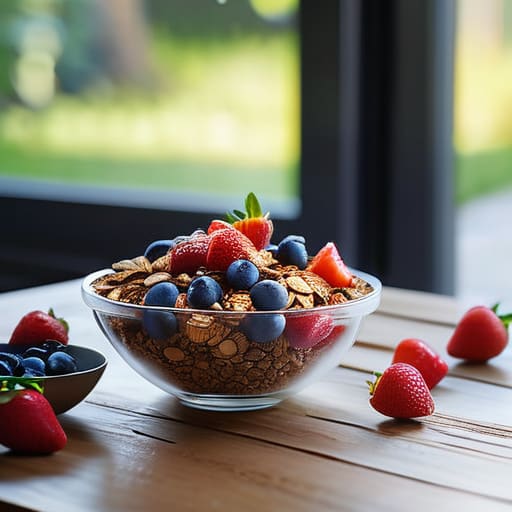
Look, we’ve covered a lot of ground here—from decoding those confusing nutrition labels to spotting the sneaky syrups hiding in your favorite “healthy” snacks. The goal isn’t to become a person who never touches a cookie again; that sounds exhausting and, honestly, a little miserable. It’s about awareness. Once you start seeing the difference between a natural fruit sugar and the processed additives tucked away in a box of granola, you gain a kind of superpower over your own energy. You’re moving away from the constant blood sugar roller coaster and toward a version of yourself that doesn’t crash at 3:00 PM every single afternoon.
If you feel overwhelmed, just remember my manifesto: you don’t need a total lifestyle overhaul to see results. Don’t try to fix everything by Monday morning. Instead, just pick one small thing—maybe it’s swapping that midday soda for sparkling water or actually reading the label on your yogurt—and master that one tiny habit first. Life is going to get messy, and there will be days when you eat the whole bag of gummy bears, and that’s fine. Just don’t let a bad Tuesday turn into a bad month. Focus on the small wins, keep your momentum, and handle the next step one bite at a time.