The Art of Making Soup From Your Fridge Scraps

I’m so over the idea that you need a literal pantry full of exotic spices and three hours of uninterrupted prep time just to master how to make soup. Every “foodie” tutorial online makes it look like this grand, meditative ritual involving hand-chopped mirepoix and organic bone broth, but let’s be real: most of us are just trying to survive a rainy Wednesday without ordering expensive takeout. When my freelance schedule gets chaotic and my brain feels like it has too many tabs open, the last thing I need is a recipe that demands perfection.
I’m not here to give you a culinary masterclass; I’m here to show you how to build something warm and decent with whatever is actually sitting in your fridge. My goal is to strip away the fluff and give you a functional framework for making a solid meal that actually hits the spot. We’re going to focus on the small, repeatable steps that turn basic ingredients into something comforting, because sometimes, a simple bowl of something hot is the only way to reclaim your evening.
Choosing Your Base Stock vs Broth for Soup
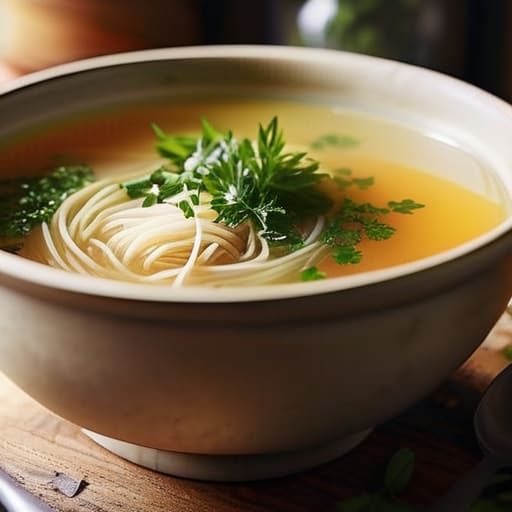
This is where most people get stuck, but honestly, it’s just a minor fork in the road. When you’re looking at stock vs broth for soup, the main difference is really just about depth and intention. I like to think of broth as the “quick fix”—it’s usually lighter, thinner, and comes ready to go in a carton, which is a lifesaver when I’ve spent my entire afternoon troubleshooting a client’s project. It’s fine for a simple noodle bowl, but it lacks that soul-warming punch.
If you want something that actually feels like a hug in a bowl, go for stock. Since stock is made by simmering bones or roasted veggies for a longer period, it has a much richer body and a more complex mouthfeel. If you’re into vegetable soup preparation, using a high-quality vegetable stock can make even a basic pantry meal feel intentional.
The real pro tip? Don’t feel like you have to choose just one. I often start with a decent broth for speed, then add a splash of heavy stock or even some extra essential soup seasonings to build that flavor profile as I go. It’s all about finding that balance between what’s convenient and what actually tastes good.
Selecting Essential Soup Seasonings for Real Flavor
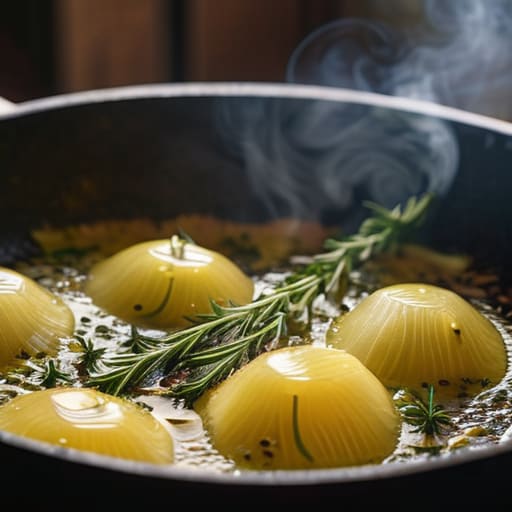
Once you’ve nailed down your liquid foundation, it’s time to talk about the stuff that actually makes your taste buds perk up. I used to think that if I just added enough salt, I was good to go, but I was wrong. The secret to moving past a “sad, watery bowl” is layering your essential soup seasonings from the very beginning. Start with the basics—garlic, onions, and maybe some dried thyme or oregano—but don’t just toss them in at the end. Sautéing your aromatics in a little oil or butter before adding your liquid is one of those small, repetitive steps that makes a massive difference in the final depth of flavor.
If you want to level up without spending an hour hovering over the stove, keep a few “cheat code” ingredients in your pantry. A splash of soy sauce, a squeeze of lemon juice, or even a tiny bit of nutritional yeast can add a layer of umami that makes everything feel more intentional. If you’re working on a lighter vegetable soup preparation, don’t be afraid to use a bit of smoked paprika to give it some body. It’s not about being a gourmet chef; it’s just about adding these little hits of flavor to ensure your meal actually feels like a win at the end of a long day.
Five Small Wins for a Better Bowl
- Don’t skip the sauté. Even if you’re exhausted, taking five minutes to soften some onions and garlic in a bit of oil before adding your liquid makes a massive difference in how deep the flavor feels.
- Chop your veggies roughly the same size. I know, it sounds tedious when you just want to eat, but having relatively uniform pieces means you won’t end up with one bite of mush and one bite of a raw carrot chunk.
- Let it simmer, don’t boil it. A violent boil can make your ingredients break down too fast and turn the texture weird. Keep it at a gentle, lazy bubble—think of it as a low-stakes background task.
- Taste as you go. This is where my pocket notebook comes in handy for jotting down what worked, but honestly, just grab a spoon. If it tastes flat, it usually needs a tiny splash of acid, like lemon juice or vinegar, to wake it up.
- Save the scraps. Keep a small container in your freezer for onion ends, carrot peels, and herb stems. It’s a tiny, repetitive habit that eventually turns into free, high-quality stock for your next messy Tuesday.
The Low-Stakes Soup Strategy
Don’t stress the perfection; whether you use a store-bought stock or a quick broth, the goal is just to get something warm and nourishing in a bowl.
Layer your flavors early by letting your seasonings and aromatics hit the heat first—it’s a small habit that makes a massive difference in the final taste.
Keep it manageable by focusing on one or two good ingredients rather than trying to clear out the entire pantry at once.
The Warmth in the Small Things
At the end of the day, making a great soup isn’t about mastering complex culinary techniques or owning a kitchen full of expensive gadgets. It really just comes down to the foundation you build. Once you’ve nailed the distinction between a rich stock and a light broth, and you’ve learned how to layer those essential seasonings to pull the whole thing together, you’ve done the heavy lifting. Whether you’re throwing in whatever wilted greens are left in your fridge or sticking to a tried-and-true recipe, the goal is to create something that actually tastes like home. It’s about making a decision to nourish yourself, even when you’re exhausted, by focusing on simple, intentional flavors.
I know how it feels when your to-do list is spiraling and the last thing you want to do is stand over a stove. But there is something incredibly grounding about the rhythmic sound of a knife on a cutting board or the way a kitchen starts to smell like garlic and herbs. It’s a small, quiet victory in a loud world. Don’t feel pressured to make a masterpiece every time you cook; just aim to make something that makes your Tuesday feel a little more manageable. Sometimes, the most productive thing you can do is slow down, grab a spoon, and just enjoy the warmth.