Home Bread Baking for Beginners (no Special Tools Required)
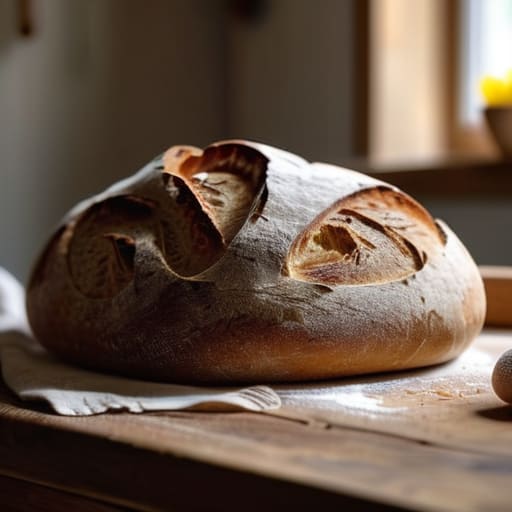
I used to think that learning how to bake bread at home required a degree in chemistry and a kitchen full of expensive, specialized equipment that looked more like a laboratory than a home. I’d see those viral videos of people spending three days nurturing a sourdough starter like it was a newborn pet, and honestly? It felt exhausting. When you’re already juggling a chaotic freelance schedule and trying to keep your head above water, the last thing you need is a hobby that feels like a second full-time job.
I’m not here to sell you on a lifestyle overhaul or a twenty-step fermentation process that demands your constant attention. Instead, I want to show you how to master a simple, reliable loaf that actually fits into a busy Tuesday. I’ll be sharing the no-frills methods I’ve stripped down to the essentials—focusing on the small, repeatable steps that actually yield results. We’re going to skip the hype and focus on what actually works when you just want something warm, crusty, and real sitting on your counter.
Bread Making for Beginners Small Wins in Your Kitchen
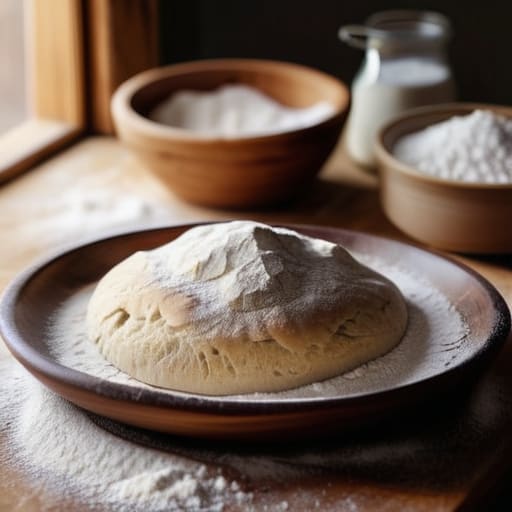
Look, I get it. The idea of starting something from scratch feels like a massive project management nightmare. You see these professional bakers on TikTok with their perfectly dusted marble counters and expensive gear, and it feels inaccessible. But honestly? Bread making for beginners isn’t about having a professional setup; it’s just about understanding a few basic rhythms. You don’t need a sourdough starter that requires a feeding schedule like a pet. You just need flour, water, salt, and a little bit of patience for the yeast fermentation process to do its thing while you’re busy with other stuff.
The real trick to not getting overwhelmed is focusing on the tactile side of things. Instead of stressing over complex kneading dough techniques, just try to feel the texture change under your hands. It’s actually a pretty great way to decompress after a day of staring at spreadsheets. If you invest in just a few essential bread baking tools—like a decent scale and a simple bench scraper—you’re already ahead of the game. Don’t aim for a masterpiece on your first try. Just aim for a loaf that smells good and tastes better than the stuff from the grocery store aisle. That’s your win for the day.
Essential Bread Baking Tools for a Messy Life
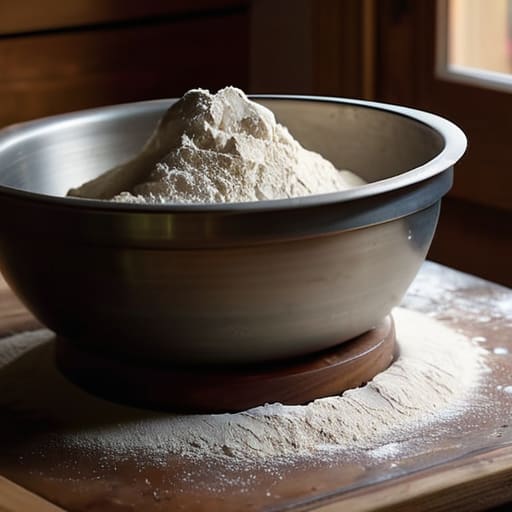
Look, I’m the first person to admit that my kitchen counter usually looks like a disaster zone by 7:00 PM. If you’re expecting a pristine, professional setup with marble surfaces and expensive gadgets, you’re looking at the wrong guy. To keep things manageable, I focus on a few essential bread baking tools that actually do the heavy lifting without taking up half my apartment. You don’t need a stand mixer to start; a sturdy mixing bowl, a digital scale (seriously, stop using measuring cups), and a decent bench scraper are your best friends. The scale is a game-changer because it removes the guesswork, letting you focus on the actual rhythm of the dough rather than math.
Once you have the basics, you can start playing around with more specific gear, but don’t rush it. If you’re just starting with bread making for beginners, a simple proofing basket or even just a bowl lined with a well-floured kitchen towel will work wonders. The goal isn’t to collect every gadget on a “must-have” list; it’s about having just enough to support the yeast fermentation process without turning your kitchen into a warehouse. Keep it minimal, keep it functional, and most importantly, keep it easy to clean up when Tuesday finally catches up with you.
Five Low-Stakes Ways to Keep Your Bread Progressing
- Don’t obsess over the perfect rise. If your dough looks a little sad or won’t double in size like the YouTube videos say, just let it sit for another twenty minutes. Bread is surprisingly forgiving if you give it a little extra time.
- Use a digital scale if you have one, but don’t sweat it if you don’t. If you’re using measuring cups, just be mindful of how much flour you’re packing in there. Too much flour is usually why homemade bread ends up feeling like a brick.
- Embrace the “ugly” phase. Your dough is going to be sticky, your counters are going to get dusted with flour, and your hands will probably feel a bit tacky. That’s just part of the process—don’t let a messy kitchen stop you from starting.
- Temperature is your secret teammate. If your apartment is freezing, your dough is going to take forever to proof. Find a warm, draft-free spot—like near the oven or even inside a turned-off microwave—to help things move along.
- Start with a “no-knead” method. Honestly, trying to master complex kneading techniques on your first go is a recipe for burnout. A simple no-knead recipe lets the science do the heavy lifting while you focus on something else.
The Tuesday Bread Philosophy
Forget the professional bakery standards; your goal is just to create something edible and satisfying that fits into your actual schedule.
Focus on mastering one simple dough before you even think about buying fancy proofing baskets or expensive specialty flours.
Treat the process as a way to unplug—let the repetitive kneading be your version of a digital detox after a long day of staring at screens.
The Tuesday Loaf: Final Thoughts
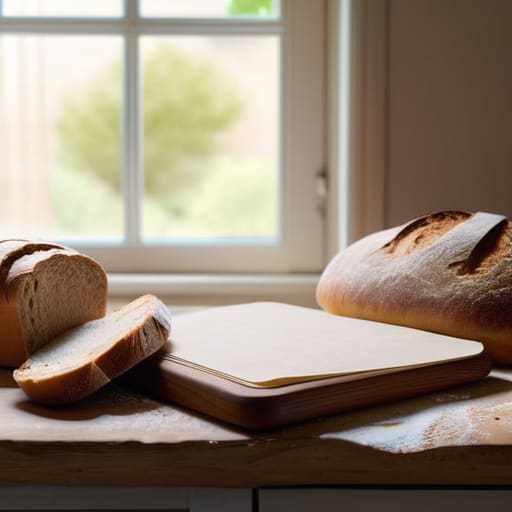
Look, if you’re feeling a little overwhelmed by the idea of flour, water, and yeast taking over your countertop, just take a breath. You don’t need a professional-grade kitchen or a dozen specialized gadgets to get started. We’ve talked about finding those small wins, keeping your tools minimal, and just focusing on the basics. The goal isn’t to win a sourdough competition; it’s about mastering the process one loaf at a time. If your first attempt comes out a little dense or looks more like a brick than a baguette, that’s fine. Just clean your bowl, jot down what went wrong in your notebook, and try again next Tuesday.
At the end of the day, bread making is one of those rare, tactile things that actually forces you to slow down. In a world that feels increasingly digital and disconnected, there is something deeply grounding about feeling dough rise under your hands. It’s a reminder that some of the best things in life can’t be rushed or optimized by an app. So, go ahead and make a mess. Embrace the flour on your apron and the slow rhythm of the ferment. It’s not about perfection; it’s about finding a little bit of order and a whole lot of warmth in the middle of a chaotic week.