The Case for Single-tasking Over Multitasking

I was sitting at my desk last Thursday, surrounded by three half-finished coffee mugs and seventeen open browser tabs, trying to coordinate a project launch while simultaneously responding to a Slack thread and listening to a productivity podcast. I thought I was being a “high-performer,” but honestly? I was just spinning my wheels in a very expensive, very stressful way. We’ve been sold this lie that being able to juggle ten things at once is a superpower, when in reality, that frantic multitasking is just a fast track to burnout. I finally had to realize that single tasking isn’t some elite monk-like discipline reserved for CEOs; it’s actually just the art of not being a complete mess while you work.
I’m not here to sell you a complicated 12-step system or a $50 planner that promises to fix your soul. Instead, I want to share the low-fi, slightly messy ways I actually use single tasking to keep my freelance life from collapsing. I’ll show you how to strip away the noise and focus on one thing at a time, so you can actually finish your Tuesday without feeling like you’ve been hit by a freight train.
The Hidden Brain Multitasking Cost You Pay Every Day

The Hidden Brain Multitasking Cost You Pay Every Day
I used to think I was a wizard because I could respond to Slack messages while halfway through a spreadsheet and listening to a podcast. In reality, I was just burning my brain out. Every time you jump from a task to a notification, you aren’t actually doing two things at once; you’re just paying a massive brain multitasking cost in the form of “attention residue.” It’s like trying to start a car engine, turning it off, and immediately trying to start it again. You never actually get up to cruising speed; you just stall out.
This constant switching creates a massive spike in your mental friction. Instead of getting into a groove, you’re stuck in this loop of frantic re-orientation that absolutely wrecks your productivity and attention span. It’s exhausting because your brain is working overtime just to remember where you left off. By trying to juggle everything, you’re actually making every single task take longer and feel twice as heavy. It’s not about being “busy”—it’s about the invisible tax you’re paying every time you refuse to just stay in one lane.
Lowering Your Cognitive Load Reduction for Real Results

Think of your brain like one of those vintage mechanical keyboards I work on—if you try to press ten keys at once, nothing happens, or worse, you get a mess of nonsense. When we constantly jump between Slack notifications, an open browser tab, and a half-finished email, we’re essentially redlining our internal processors. This is where cognitive load reduction becomes your best friend. It’s not about doing less; it’s about clearing the mental clutter so you actually have the bandwidth to do what matters. When you stop trying to juggle every tiny stimulus, you stop leaking energy.
To actually see results, you have to create a vacuum for your focus to live in. I’ve found that using simple deep work techniques—like putting my phone in a different room or using a site blocker for thirty minutes—is the only way I can actually hit a flow state achievement without feeling like my brain is vibrating. It’s about lowering the “noise” in your environment so your mind doesn’t have to work so hard just to stay on track. Once you lower that baseline stress, you’ll realize that staying on one path isn’t a restriction; it’s actually a massive relief.
Monotasking Benefits for the Messy Real World
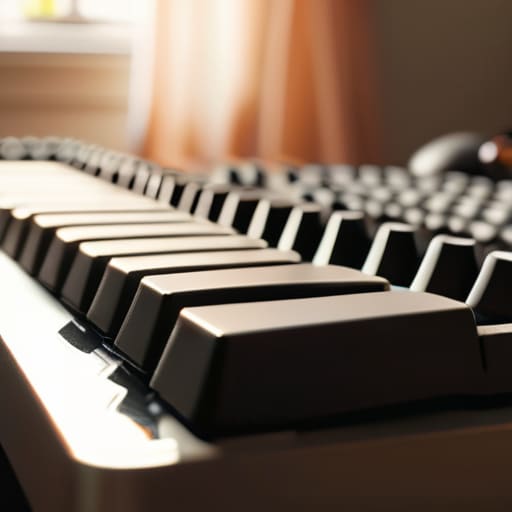
The thing about the “messy real world” is that it doesn’t care about your perfect productivity systems. You’ve got Slack notifications pinging, a laundry pile staring you down, and a sudden urge to check your bank account. In the middle of that chaos, the real monotasking benefits aren’t about becoming a robot; they’re about reclaiming your sanity. When I actually commit to one task—even if it’s just cleaning my mechanical keyboard or drafting a single email—I notice that the constant, low-grade anxiety of “what am I forgetting?” starts to fade.
Instead of feeling like you’re constantly spinning your wheels without moving, focusing on one thing allows you to actually hit that flow state achievement we all talk about but rarely experience. It’s that sweet spot where the world goes quiet and you actually get stuff done without feeling like your brain is being fried in a pan. By prioritizing one task at a time, you aren’t just being efficient; you’re protecting your mental energy so you don’t end the day feeling completely hollowed out. It’s about making sure you have enough left in the tank to actually enjoy your evening.
5 Ways to Actually Single-Task (Without Losing Your Mind)
- Close the tabs you aren’t using. Seriously. I used to think having twenty browser tabs open made me look busy, but it actually just turned my brain into a browser with too much RAM usage. Pick one task, open one window, and hide the rest.
- Use the “Physical Notebook” trick. When a random thought or a “don’t forget to buy milk” realization hits you while you’re working, don’t switch tasks to handle it. Write it down in your notebook and get back to what you were doing. It clears the mental clutter without breaking your flow.
- Set a timer for twenty minutes. Don’t tell yourself you’re going to work for four hours straight—that’s a lie we tell ourselves to feel productive. Just commit to twenty minutes of one thing. Usually, once the timer goes off, the hardest part of starting is already over.
- Put your phone in another room. Even having your phone face-down on the desk takes up a weird amount of “background processing power” in your brain. If you can’t move it, at least put it on Do Not Disturb. Your notifications can wait fifteen minutes.
- Group your “small stuff” together. Don’t answer emails one by one throughout the day. That’s just micro-multitasking. Instead, pick one block of time to handle all the little, annoying tasks at once, then go back to the deep work.
The TL;DR for Your Next Messy Tuesday
Stop treating multitasking like a superpower; it’s actually just a tax on your brain that leaves you feeling drained and unfinished.
You don’t need a pristine, distraction-free office to succeed—you just need to pick one task, set a timer, and give it your full attention for a bit.
Focus on lowering the friction of your day by doing one thing at a time, rather than trying to overhaul your entire workflow overnight.
Finding Your Rhythm
Look, I know the temptation to keep twenty tabs open and juggle three different Slack threads is real. We’ve been conditioned to think that being busy is the same thing as being productive, but we’ve seen how that actually drains our brains and leaves us feeling fried by 3 PM. By cutting down on that cognitive load and actually embracing the messy reality of doing one thing at a time, you aren’t just getting more done—you’re actually saving your sanity. It’s about moving away from that constant, frantic switching and toward a way of working that actually respects your mental energy.
At the end of the day, don’t feel like you have to master this overnight. You don’t need a pristine, perfectly optimized schedule to be successful; you just need to figure out how to handle the next hour without losing yourself in the noise. Start small. Pick one task, close the extra tabs, and just be there for it. If you can win back your focus on just one small thing today, you’re already doing better than most. Let’s stop trying to conquer the world and just focus on winning the Tuesday in front of us.