How to Whip Up a Delicious Stir-fry With What You Have on Hand

I used to think that learning how to make a stir fry required a professional-grade wok, a dozen exotic spices I couldn’t pronounce, and about forty minutes of intense, meditative prep work. Honestly? That’s just a recipe for burnout. Between managing freelance deadlines and trying to keep my apartment from looking like a disaster zone, I don’t have the bandwidth for “culinary perfection.” Most of the guides online make it sound like a high-stakes chemistry experiment, but when you’re staring at a fridge full of random veggies at 7:00 PM, you just need something that actually works.
I’m not here to teach you how to be a Michelin-star chef; I just want to show you how to make a meal that tastes incredible without turning your kitchen into a battlefield. We’re going to focus on the low-effort essentials—the kind of streamlined, repeatable steps that fit into a messy Tuesday. I’ll walk you through the shortcuts that actually matter, so you can get a hot, delicious pan in front of you and get back to your life.
Mastering Vegetable Prep for Stir Fry Without the Chaos
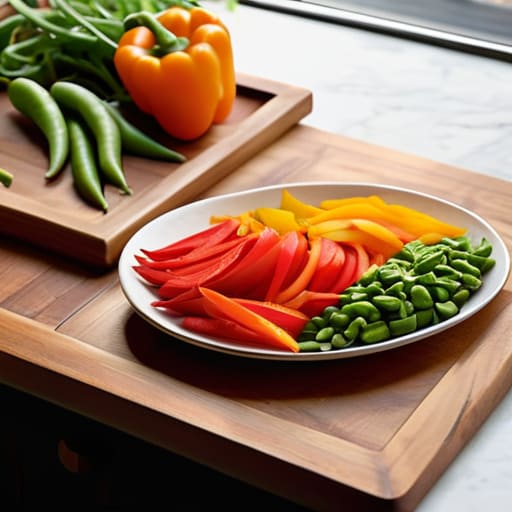
The biggest mistake I see people make is trying to chop as they go. If you’re standing over a screaming hot pan trying to dice a bell pepper while your garlic is already turning into charcoal, you’ve already lost. The secret to keeping your sanity is treating vegetable prep for stir fry like a mini-project. I like to clear my entire workspace, grab a large cutting board, and get everything into small, uniform bowls before I even think about turning on the stove.
Consistency isn’t just about aesthetics; it’s about survival. If your broccoli florets are huge and your carrots are paper-thin, one will be mush while the other is still crunchy enough to break a tooth. Aim for bite-sized pieces that cook at roughly the same rate. I usually group my ingredients by “cook time”—harder stuff like carrots and snap peas go in first, while the delicate greens wait in their own little bowl until the very end. This approach turns a frantic kitchen scramble into a smooth, rhythmic process that actually feels satisfying. Once your mise en place is set, you’re not just cooking; you’re executing a plan.
The Protein Marinade for Stir Fry That Actually Works
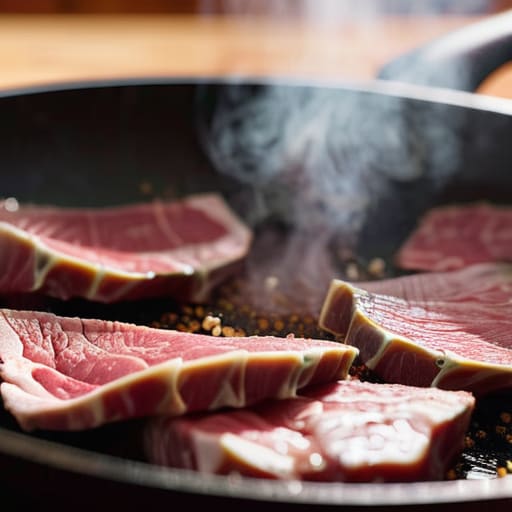
Once you’ve tackled the veggie prep, it’s time to talk about the stuff that actually carries the flavor: the protein. I used to think you could just toss raw chicken or beef straight into the pan and call it a day, but that’s how you end up with bland, chewy bits that feel like a chore to eat. The secret to getting those authentic stir fry flavors without spending an hour in the kitchen is a quick, high-impact marinade. Even if you’re just working with basic soy sauce, a splash of toasted sesame oil, and a pinch of cornstarch, you’re already ahead of the game. That tiny bit of starch is the real MVP—it creates a velvety texture that helps the heat distribute evenly.
Don’t feel like you need a pantry full of exotic imports to make this work. If you’re running low on supplies, just lean into the basics: garlic, ginger, and maybe a little honey for balance. I usually prep my protein marinade for stir fry about fifteen minutes before I actually start cooking. It’s just enough time for the flavors to penetrate the meat without turning it into mush. This little window of prep is what makes the transition from “messy kitchen” to “actually delicious meal” feel seamless.
Five Ways to Stop Your Stir Fry From Turning Into a Messy Stew
- Don’t crowd the pan. I know it’s tempting to dump everything in at once to save time, but if your pan is packed too tight, the temperature drops and you end up steaming your food instead of searing it. Cook in batches if you have to; it’s worth the extra five minutes to get that actual char.
- Master the “High Heat” transition. Stir fry is all about momentum. Once your oil is shimmering and just starting to hit that slight smoke point, you need to be ready to move. If you’re still chopping while the pan is heating up, you’re going to burn your aromatics before you even get the veggies in.
- Respect the order of operations. Not all ingredients are created equal. Start with the dense stuff like carrots or broccoli, let them get a head start, and save the delicate greens or bean sprouts for the very last second. It keeps the texture interesting instead of everything being mushy.
- The sauce is a finisher, not a bath. Pour your sauce in at the very end, just as everything is nearly done. Let it bubble and thicken for a minute to coat everything like a glaze, rather than drowning your ingredients in a soup of liquid.
- Keep your workspace clean as you go. This sounds like something my mom would say, but seriously—wipe the counter and toss the scraps immediately. There is nothing worse than trying to manage a screaming hot wok while you’re simultaneously tripping over a pile of onion skins and empty sauce bottles.
The Low-Stress Stir Fry Cheat Sheet
Don’t aim for perfection with your knife skills; just get everything chopped and ready before you even touch the stove so you aren’t scrambling mid-cook.
A quick, simple marinade is your best friend for making basic protein taste like a real meal without needing a pantry full of specialty ingredients.
Focus on the heat and the sequence—veggies first, then protein—to keep things from turning into a soggy mess in the pan.
The Final Toss
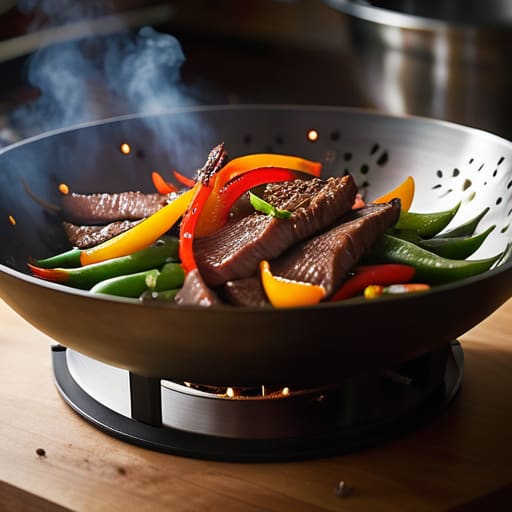
At the end of the day, a great stir fry isn’t about following a rigid, Michelin-star recipe; it’s about the flow. You’ve got your veggies prepped so they don’t burn while you’re searching for a knife, and your protein is already marinating in that flavor-packed goodness we talked about. Once you get that wok screaming hot and start tossing everything together, you’ll realize that the “chaos” was actually just the setup for something really satisfying. Just remember to keep things moving and don’t be afraid to adjust the heat on the fly. If you nail the prep and the marinade, the actual cooking part becomes the easiest part of your evening.
I know how it feels when you’re staring at a sink full of dishes or a long to-do list, wondering if you even have the energy to feed yourself something decent. But honestly? Taking these twenty minutes to make something fresh is a way of reclaiming your evening. You don’t need a perfect kitchen or a culinary degree to make a meal that actually fuels you. You just need to show up, grab your spatula, and make something that tastes good. Let the mess happen, enjoy the sizzle, and just focus on winning the night, one pan at a time.