Building a Personal Brand Without Being an Influencer
I used to think personal branding was something reserved for the “influencer” crowd—people with ring lights, perfectly curated aesthetic feeds, and enough caffeine to power a small city. Every time I scrolled past those polished LinkedIn profiles that felt more like corporate brochures than actual human beings, I’d just roll my eyes and go back to my mechanical keyboard. It felt incredibly fake, like you had to build a manufactured persona just to get a foot in the door of the freelance world. But honestly? That whole “build an empire” mindset is exactly what makes people burn out before they even get started.
I’m not here to teach you how to perform for an algorithm or spend your entire paycheck on a professional photoshoot. Instead, I want to talk about how you can approach personal branding as a series of small, manageable habits that actually fit into a messy, real-world schedule. We’re going to focus on showing up as yourself in a way that feels sustainable, even on the days when your to-do list is a disaster. No hype, no fluff—just practical ways to let your actual skills do the talking.
Small Habits for Better Online Presence Management

Instead of trying to curate a perfect, high-gloss version of yourself that feels totally fake, I’ve found that the best approach to online presence management is actually pretty low-key. It’s less about posting a polished manifesto every morning and more about the small, intentional things you do when you’re already online. For me, that means taking ten minutes on a Friday afternoon to tidy up my LinkedIn profile or responding to a comment on a post I wrote a week ago. It’s about showing up in small ways rather than trying to launch a massive campaign that you’ll inevitably burn out on by Wednesday.
I also think we underestimate how much our “digital crumbs” matter. Every article you share or thoughtful comment you leave on a colleague’s post contributes to your professional reputation building. You don’t need to be a loud influencer to make an impact; you just need to be consistent. I like to treat my digital footprint like my vintage keyboard collection—it’s all about the fine details and the steady, repetitive maintenance. If you focus on being genuinely helpful in your niche, the “brand” part starts to take care of itself without you having to force it.
Micro Wins in Your Digital Footprint Optimization
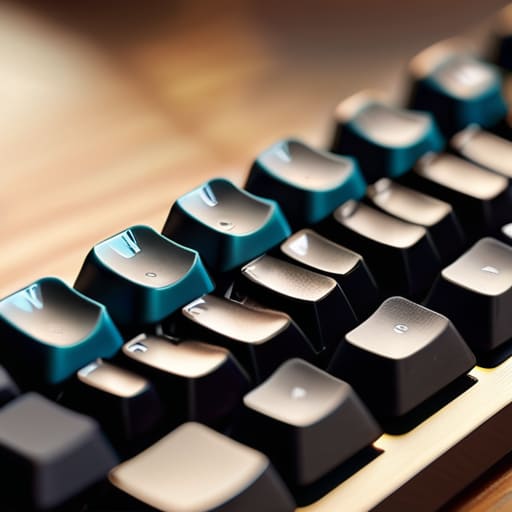
I’ve realized that trying to overhaul my entire digital footprint all at once is a recipe for burnout. It feels like trying to fix a mechanical keyboard by smashing the whole board instead of cleaning one individual switch at a time. Instead, I’ve started looking for micro-wins. This might mean spending just ten minutes on a Friday afternoon updating my LinkedIn headline or cleaning up an old, dusty portfolio site. These tiny adjustments are the foundation of effective digital footprint optimization; they don’t require a massive creative burst, just a bit of consistent maintenance.
The goal isn’t to become a “content creator” overnight, but to ensure that when someone Googles you, they see a version of you that feels intentional. I like to think of it as subtle professional reputation building. It’s about the small things—polishing your bio, engaging genuinely with a peer’s post, or even just ensuring your profile picture doesn’t look like it was taken in a dark basement. When you focus on these small, manageable tweaks, you aren’t just managing an image; you’re building a steady, reliable presence that works for you even when you’re busy handling the chaos of a regular Tuesday.
Five Low-Stakes Ways to Actually Build a Brand
- Stop trying to curate a perfect aesthetic. I used to think I needed a professional photoshoot just to post on LinkedIn, but honestly? People connect with the messy middle. Just pick a consistent tone—whether that’s hyper-organized or slightly chaotic—and stick to it. It’s about being recognizable, not being a robot.
- Audit your “digital crumbs.” We all leave a trail of old tweets, outdated resumes, and weird forum comments from 2016. Take twenty minutes this weekend to do a quick sweep. You don’t need to delete everything, but make sure the stuff that pops up first actually reflects who you are today.
- Document, don’t just create. If you’re a freelancer or a student, you don’t always need to write a massive “thought leadership” essay. Just share a quick note about a problem you solved or a tool you’re loving. It’s much easier to share what you’re already doing than to manufacture “content” from scratch.
- Pick your lane (and keep it narrow). You don’t need to be an expert in everything. If you love mechanical keyboards and project management, own that intersection. Being the “organized person who loves vintage tech” is way more memorable than being “just another communications grad.”
- Show up in the comments. Personal branding isn’t just about your own profile; it’s about how you interact with others. Instead of just lurking, leave a thoughtful comment on a post you actually enjoyed. It’s the digital equivalent of a nod in a hallway, and it builds much more real connection than a polished bio ever will.
The TL;DR: Keeping it Real
Forget the polished, fake version of yourself; personal branding is just about being consistent with who you actually are, even on the days you’re barely holding it together.
Don’t try to overhaul your entire digital existence in one weekend. Just pick one small, repeatable habit—like updating your bio or sharing one thought a week—and stick to it.
Focus on the small wins. A clean LinkedIn profile and a few meaningful interactions are way more effective than trying to go viral with a persona that doesn’t feel like you.
Getting Real About the Long Game
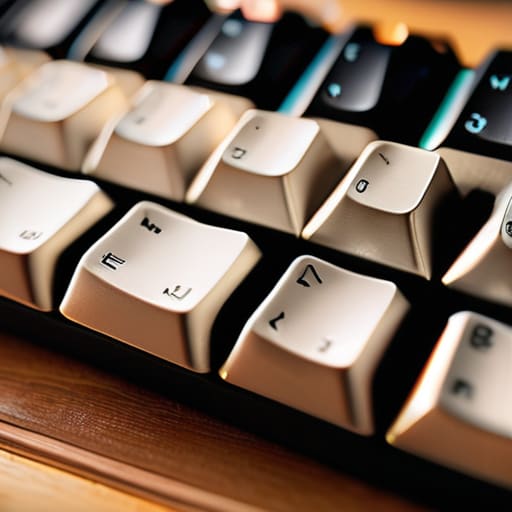
At the end of the day, personal branding isn’t some high-stakes marketing campaign you launch to impress strangers on LinkedIn. It’s really just the sum of those tiny, intentional choices we talked about—the way you manage your digital footprint during a random Tuesday afternoon or how you consistently show up in small, meaningful ways. Whether it’s refining your online presence or just being more mindful of your digital micro-wins, these habits act like the mechanical components of a vintage keyboard; they might seem small and repetitive, but they are exactly what make the whole system run smoothly. You don’t need to reinvent your entire identity to make an impact; you just need to keep the small things in sync.
I know it can feel overwhelming to think about “building a brand” when you’re just trying to keep your head above water and finish your to-do list. But remember, perfection is a myth that only leads to burnout. Your brand isn’t a polished, static statue; it’s a living, breathing reflection of your actual journey, mess and all. So, don’t worry about having it all figured out by tomorrow morning. Just focus on one small, consistent action today. If you can master the art of handling the little things, the big picture tends to take care of itself. Let’s just focus on making today a little more intentional.