Everything You Need to Know About Starting a Stretching Practice

I was hunched over my desk last Thursday, mid-way through cleaning the switches on a vintage tactile keyboard, when I realized my lower back felt less like a human body part and more like a rusted hinge. I’d spent the last four hours in a semi-permanent crouch, completely oblivious to the fact that I was slowly turning into a human question mark. We’ve all seen those wellness influencers claiming you need a $150 monthly subscription to a specialized mobility app to see any real results, but honestly, most of that hype is just noise. The actual benefits of stretching aren’t found in some aesthetic, hour-long ritual performed in a sun-drenched studio; they’re found in those tiny, awkward moments when you realize your body is actually screaming for a break.
I’m not here to sell you on a complete lifestyle overhaul or a complicated yoga sequence that requires more equipment than I own. Instead, I want to share a few low-effort, high-reward ways to move your body that actually fit into a chaotic workday. We’re going to focus on practical movement—the kind of stuff you can do while your coffee is brewing or during a particularly dull Zoom call—to help you feel a little less stiff and a lot more human by the time Friday rolls around.
Preventing Muscle Stiffness Before Your Next Big Deadline
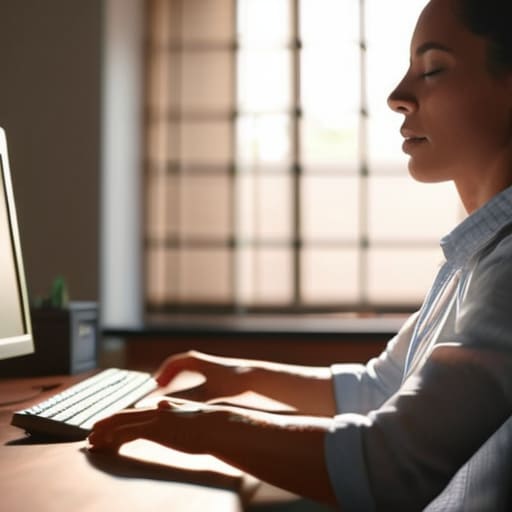
When I’m deep in a project sprint, my world usually shrinks down to the size of my monitor and the sound of my mechanical keyboard clicking away. I’ll look up after three hours and realize my neck feels like it’s made of concrete. To stop this from happening, I’ve started treating preventing muscle stiffness as a non-negotiable part of my workflow, almost like checking my inbox. Instead of waiting for the pain to hit, I try to bake tiny movement breaks into my calendar. It’s not about a full workout; it’s about breaking that static posture before your body decides it’s officially stuck in “office chair mode.”
The trick I’ve found is understanding the difference between static vs dynamic stretching depending on what my body actually needs in the moment. If I’ve been sitting still for way too long, I’ll do some quick, active movements—like arm circles or torso twists—to get the blood flowing again. If I’m feeling particularly tight after a long day, I’ll lean into some slower, held stretches. This approach to stretching for injury prevention keeps me from hitting that wall of physical exhaustion that usually kills my productivity right when I need to be most focused.
Improving Range of Motion Without a Total Life Overhaul
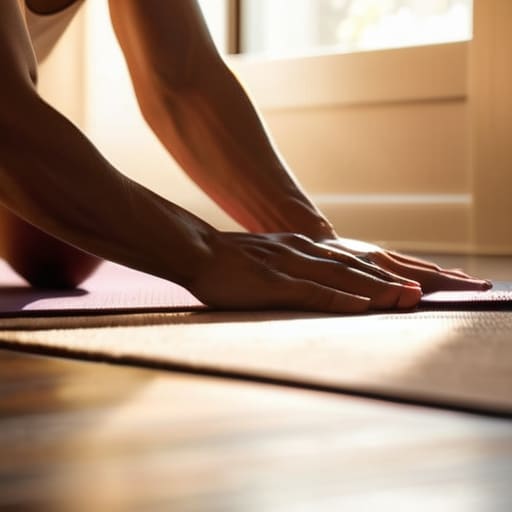
Look, I get it. The idea of “improving range of motion” sounds like something a physical therapist tells you right before they make you do something painful. But it doesn’t have to be a whole thing. You don’t need to spend an hour on a foam roller to see a difference; you just need to stop treating your body like a statue that only moves when it’s time to walk to the kitchen.
I’ve found that the trick is understanding the difference between static vs dynamic stretching so you aren’t just wasting time. If I’m sitting at my desk for four hours straight, I’m not going to jump into deep, long-hold stretches immediately—that feels weird and actually counterproductive. Instead, I use quick, active movements to wake my joints up. Think of it like warming up a vintage keyboard before a long typing session; you want to make sure everything is fluid and responsive before you start putting in the heavy work.
Once the workday is actually done, that’s when I lean into the slower stuff. Taking just a few minutes for some gentle, held stretches is a game changer for stretching for muscle recovery. It’s about telling your nervous system that the grind is over and it’s okay to actually let go of that tension you’ve been carrying in your shoulders all afternoon.
Five ways to stretch without making it a whole "thing"
- Use your micro-breaks for movement. Instead of scrolling through your phone while waiting for a file to upload or a meeting to start, just do a quick seated spinal twist. It takes thirty seconds and keeps you from feeling like a statue.
- Keep a foam roller near your desk. I know, it looks like a piece of gym equipment you’ll never use, but having it within arm’s reach makes it way easier to roll out a tight lower back after three hours of deep-work mode.
- Tie your stretching to something you already do. I like to do a few calf stretches while my coffee is brewing. It’s a small way to stack a healthy habit onto a routine that’s already non-negotiable.
- Don’t aim for flexibility; aim for relief. You don’t need to be able to touch your toes by Friday. Just focus on those specific spots—like your neck or hips—that start screaming at you by 4:00 PM.
- Focus on your breathing, not the pose. If you’re holding your breath while stretching, you’re just adding more tension to the mix. Deep, slow breaths actually tell your nervous system it’s okay to let those muscles relax.
The TL;DR for your Tuesday
Forget the hour-long yoga sessions; five minutes of intentional movement is enough to stop your body from feeling like a rusted hinge.
Use your natural breaks—like waiting for a file to upload or your coffee to brew—as triggers to stretch so it doesn’t feel like another chore on your to-do list.
Focus on consistency over intensity; a little bit of movement every day beats a massive workout once a month when you’re trying to manage a messy schedule.
The Bottom Line

At the end of the day, stretching isn’t about becoming a contortionist or hitting a personal best in a yoga studio. It’s just about realizing that your body isn’t meant to be frozen in a desk chair for eight hours straight. Whether you’re using a few quick movements to beat that pre-deadline tension or just trying to keep your joints from feeling like they need a gallon of oil, the goal is consistency over intensity. You don’t need a dedicated hour; you just need to listen to the small signals your body sends you before they turn into actual aches and pains.
If today felt chaotic and you didn’t get a single stretch in, don’t sweat it. Tomorrow is just another Tuesday, and it’s a fresh chance to try again. We spend so much time chasing these massive, life-altering transformations that we forget how much power there is in the tiny, repetitive wins. Grab a quick moment to reach for the ceiling or touch your toes, and just start there. Finding a bit of rhythm in the middle of the mess is how you actually stay sane. Small habits win the long game, so let’s just focus on making the next ten minutes feel a little bit better.