Mastering the Art of Cooking Without Following a Recipe
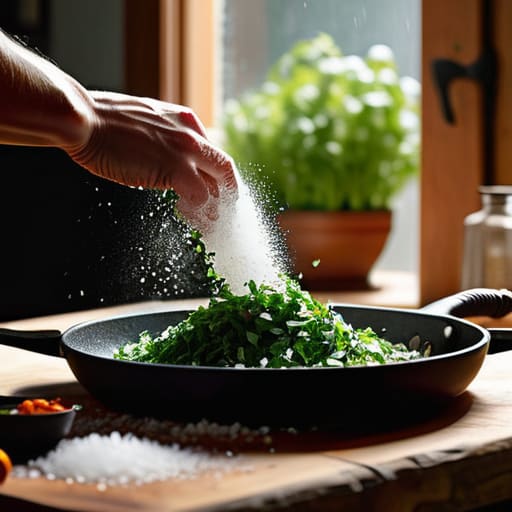
I used to think that if I didn’t have a precise, step-by-step guide staring me in the face, I was basically inviting a kitchen disaster. I’d spend twenty minutes scrolling through a food blog, dodging three thousand words of backstory about a stranger’s summer in Tuscany, just to find out how many teaspoons of cumin I actually needed. It felt like a chore, a rigid system that left no room for the reality of a busy Tuesday. But honestly? Learning how to cook without a recipe isn’t about being a culinary genius; it’s about finally stopping the frantic search for permission to just taste your food.
I’m not here to teach you how to become a Michelin-star chef or master complex French techniques. Instead, I want to show you how to build a mental toolkit of small, repeatable habits that turn random fridge leftovers into actual meals. We’re going to focus on the logic of flavor and the art of the pivot, so you can stop being a slave to the screen and start trusting your own senses. This is about functional cooking—the kind that works when you’re tired, hungry, and just want something delicious.
Mastering the Art of Pantry Staple Cooking
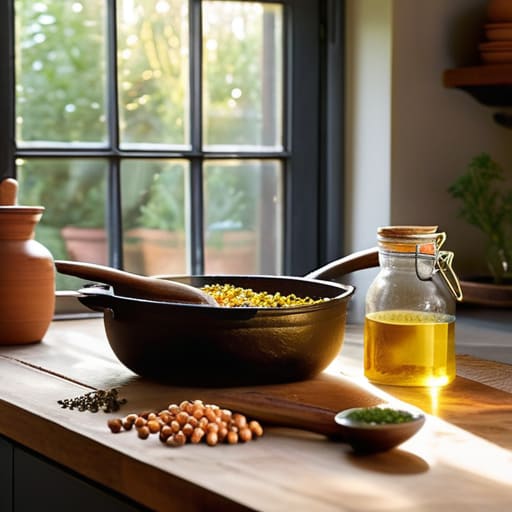
The real magic happens when you stop looking at your kitchen as a collection of individual ingredients and start seeing it as a toolkit for pantry staple cooking. I used to think I needed a grocery haul every Sunday to stay sane, but honestly, most of my best meals come from whatever is lingering in the back of the cupboard. It’s about recognizing that a can of chickpeas, a rogue onion, and some dried oregano aren’t just random items—they are the building blocks of a decent dinner.
To get good at this, you have to move past following instructions and start understanding cooking ratios. Most recipes are just scaled-up versions of basic logic: a certain amount of fat, an acid to cut through it, and a starch to soak everything up. Once you grasp that a splash of vinegar or a squeeze of lemon can rescue a heavy sauce, you aren’t just making food anymore; you’re practicing flavor balancing principles in real-time. It’s less about precision and more about trusting your gut. If it tastes flat, add salt; if it feels heavy, add acid. It’s a small, repeatable rhythm that turns a chaotic kitchen into a space where you actually feel in control.
Building Confidence Through Kitchen Improvisation Skills
The biggest hurdle isn’t actually your lack of ingredients; it’s the mental block that tells you a meal is “wrong” if it doesn’t look like a Pinterest photo. I used to be that person, hovering over a cookbook like it was a sacred text, terrified of making a mistake. But real confidence comes from leaning into kitchen improvisation skills and realizing that most cooking is just a series of small, reversible decisions. If a sauce is too heavy, you add acid. If it’s too bland, you add salt. It’s not magic; it’s just a feedback loop.
Once you stop treating recipes like rigid instructions and start viewing them as mere suggestions, you begin understanding cooking ratios—the relationship between fats, acids, and heat. Instead of panicking when you’re out of heavy cream, you start thinking about how a splash of pasta water or a bit of Greek yogurt might bridge that gap. This shift from following steps to practicing sensory cooking methods changes everything. You stop reading and start tasting, learning to trust your palate rather than a printed page. It’s about finding that rhythm where the kitchen feels less like a test and more like a space to experiment.
Five ways to stop overthinking and start eating
- Learn the “Acid, Fat, Salt, Heat” framework. It sounds intense, but it’s basically just a cheat sheet for your taste buds. If a dish feels “flat,” it usually needs acid (a squeeze of lemon or a splash of vinegar). If it’s too heavy, add more acid. If it’s too sharp, add fat. It turns cooking from a guessing game into a quick series of tiny adjustments.
- Build a mental map of flavor profiles. Instead of looking for a specific recipe for “Thai Curry,” just remember that certain things play well together: ginger, garlic, lime, and coconut milk. Once you know which ingredients are best friends, you can raid your fridge and build a meal based on those vibes rather than a printed list of instructions.
- Use your senses as your primary guide, not a timer. I used to be obsessed with setting a digital timer for everything, but a timer can’t tell you if a sauce has reached the right consistency or if the onions are actually translucent. Smell the garlic to see if it’s toasted, listen to the sizzle in the pan, and taste everything. If you aren’t tasting as you go, you’re just flying blind.
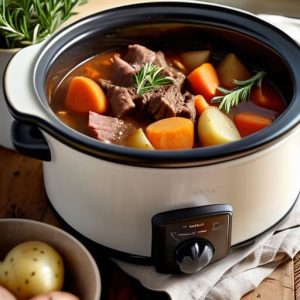
- Embrace the “one-pot” mentality to lower the stakes. One reason we cling to recipes is that we’re afraid of making a massive, complicated mess. If you tell yourself you’re just making a simple sauté or a rustic stew in a single pan, the pressure drops. It’s much easier to improvise when you aren’t staring down a mountain of dirty dishes and twelve different prep bowls.
- Keep a “flavor notebook” for your wins. Since I’m a sucker for my physical pocket notebook, I actually jot down the little improvisations that worked—like adding a bit of honey to a spicy chili or using leftover coffee to deepen a beef stew. It’s not a formal recipe book; it’s just a collection of small, successful decisions that make the next “messy Tuesday” a lot less intimidating.
The Low-Stakes Guide to Kitchen Freedom
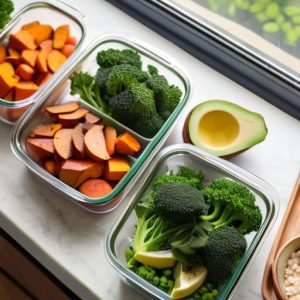
Stop viewing ingredients as strict instructions and start seeing them as modular building blocks; if you have a grain, a protein, and a crunch, you already have a meal.
Trust your palate over the printed page by tasting as you go, because a pinch of salt or a squeeze of lime matters more than following a manual to the letter.
Embrace the “good enough” philosophy to lower the barrier to entry, remembering that a successful Tuesday night dinner doesn’t need to be a masterpiece—it just needs to be nourishing.
The Kitchen is Your Playground
At the end of the day, cooking without a recipe isn’t about becoming a Michelin-starred chef overnight; it’s about leaning into the tools you already have. We’ve talked about how your pantry is actually a goldmine of potential, how improvising builds a kind of intuitive muscle memory, and how trusting your senses is way more effective than staring at a screen for instructions. It’s about moving away from that rigid, “follow-the-steps-or-fail” mindset and toward a more fluid way of existing in your kitchen. When you stop viewing a missing ingredient as a crisis and start seeing it as an opportunity to pivot, you’ve already won the hardest part of the battle.
I know it feels intimidating to just wing it, especially when you’ve had a long day and just want something decent to eat. But I promise you, the most memorable meals aren’t the ones that look like the photo in the cookbook; they’re the ones that feel intentionally yours. Don’t wait for a perfectly organized kitchen or a complete set of gourmet spices to start experimenting. Just grab a pan, see what’s in the fridge, and make something that makes you happy. After all, life is way too messy to spend it following someone else’s exact measurements. Just start cooking.