Build a Perfectly Balanced Plate Without Tracking Macros
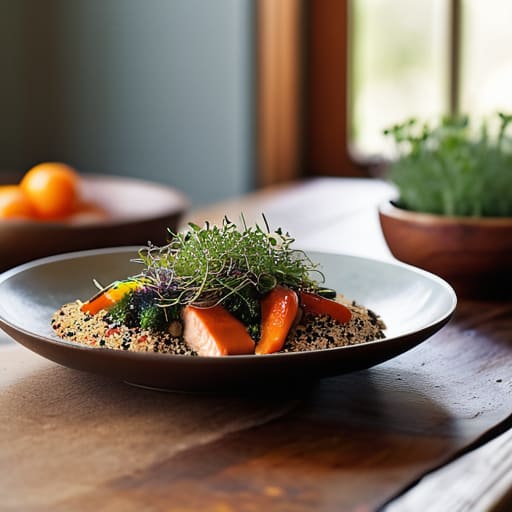
I used to spend way too much time scrolling through aesthetic wellness accounts, convinced that learning how to build a balanced meal required a $200 grocery haul of organic microgreens and specialized glass containers. It felt like if my plate didn’t look like a curated Pinterest board, I was somehow failing at being a “functional adult.” But let’s be real: when you’re staring at a mountain of freelance deadlines and your brain feels like mush, nobody has the energy for a culinary masterpiece or a complicated macro-tracking spreadsheet.
I’m not here to sell you on some expensive, life-altering dietary overhaul that falls apart by Wednesday afternoon. Instead, I want to share the low-fi, realistic framework I actually use to keep myself fueled when my schedule is absolute chaos. We’re going to strip away the jargon and focus on a simple, repeatable method for putting together decent food without the stress. My goal is to show you how to find a bit of predictable order in your nutrition, even on the days when everything else feels like it’s spinning out of control.
Mastering the Protein Vegetable Carbohydrate Ratio
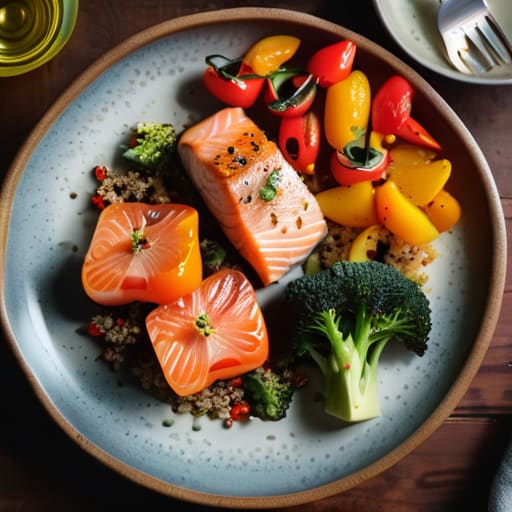
Look, I’m not here to give you a complex macronutrient distribution guide that requires a PhD to decipher. When I’m staring at a half-empty fridge at 7 PM, I don’t want to do math; I just want to eat something that won’t make me crash an hour later. The trick is getting the protein vegetable carbohydrate ratio right without overthinking it. Think of it as a mental template rather than a strict law. You want enough protein to actually feel full, enough veggies to get those micronutrients in, and just enough carbs to fuel whatever’s left of your evening.
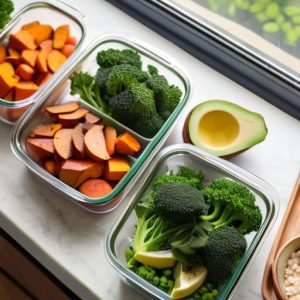
A good rule of thumb I use—especially when I’m meal prepping for nutrition on a Sunday—is to aim for a visual split. Try to fill half your plate with whatever greens or colorful veg you have on hand. The other half is your battleground for protein and carbs. It’s less about weighing every single gram of food and more about portion control for healthy eating through visual cues. If your plate is mostly beige, you’re probably missing the mark. Keep it simple, keep it colorful, and just aim for that balance.
The Healthy Plate Method for Real Life
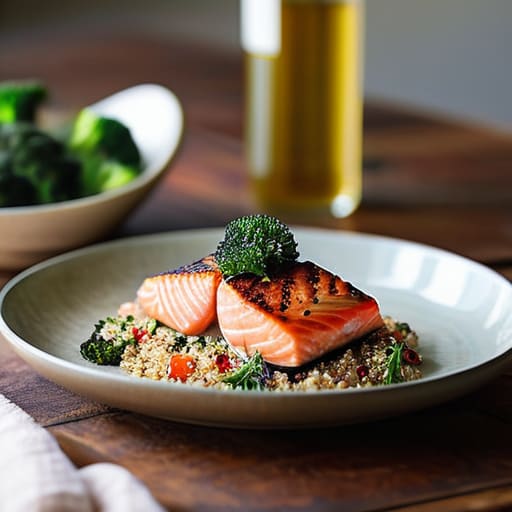
Look, I’m not here to tell you to weigh your blueberries on a digital scale or download some hyper-fixated calorie tracker. That’s a one-way ticket to burnout, and frankly, I don’t have the bandwidth for it. Instead, I like to use the healthy plate method as a visual shorthand. Think of your plate like a project board: you’re just allocating space. If you aim to fill half your plate with colorful veggies, a quarter with protein, and the last quarter with some solid carbs, you’ve basically won the day. It’s a low-stakes way to manage your portion control for healthy eating without needing a degree in dietetics.
The real magic happens when you stop viewing food as “good” or “bad” and start looking at it through the lens of nutritional density. When I’m deep in a freelance sprint and haven’t had time to cook anything real, I don’t panic about a perfect macro split. I just look at what’s in my fridge and try to check those three boxes. Even if it’s just a handful of spinach, some rotisserie chicken, and a scoop of rice, that simple structure keeps my energy from crashing mid-afternoon. It’s about consistency over perfection, especially when your schedule feels like it’s falling apart.
Five ways to stop overthinking your dinner
- Keep a “emergency” protein stash in your pantry or freezer. I’m talking canned chickpeas, frozen edamame, or even those pre-cooked pouches of quinoa. When the motivation to actually cook hits zero, having these ready means you aren’t just eating a bowl of cereal for dinner.
- Don’t aim for perfection; aim for “mostly.” If your plate is 70% what you intended and 30% whatever was in the fridge, that is still a win. We aren’t trying to win a Michelin star here; we’re just trying to fuel ourselves so we don’t crash by 9 PM.
- Use the “one-pan” rule to keep your sanity. If you can throw your protein, a handful of greens, and some chopped sweet potatoes onto a single sheet pan with some olive oil, do it. Minimal dishes mean less mental load for tomorrow morning.
- Learn the art of the “assembly meal.” You don’t always need to cook. Sometimes a balanced meal is just assembling high-quality components: some pre-washed arugula, a rotisserie chicken from the store, some sliced avocado, and a handful of nuts. It’s fast, it’s easy, and it works.
- Keep your seasonings simple but consistent. I keep a small collection of spices that make almost anything edible—think smoked paprika, garlic powder, and red pepper flakes. If the base is decent, the seasoning does the heavy lifting so you don’t have to get creative when you’re exhausted.
The Low-Stakes Cheat Sheet
Don’t aim for perfection; just aim for the ratio. If you’ve got a protein, a veggie, and a carb on the plate, you’ve already won the day.
Use what you have on hand. A balanced meal doesn’t require a trip to a specialty grocer—it just requires a little bit of mental rearranging of what’s already in your fridge.
Focus on the “good enough” meal. When work is piling up or you’re exhausted, a simple, balanced plate is way better for your energy than skipping lunch or grabbing heavy takeout.
The Tuesday Survival Strategy
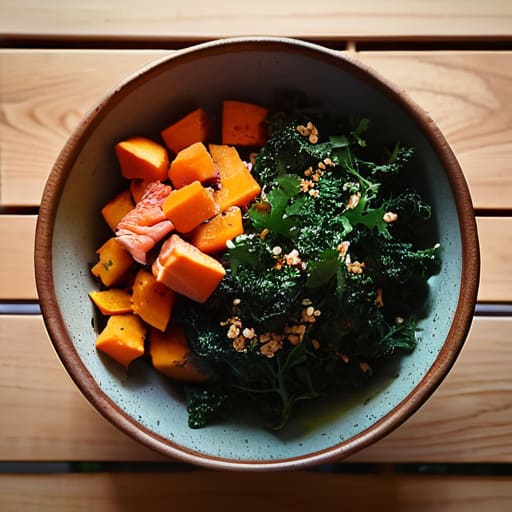
At the end of the day, building a balanced meal isn’t about achieving some impossible culinary perfection or spending three hours in a kitchen you barely have time to use. It’s really just about the basics we talked about: hitting that protein, carb, and veggie ratio so you don’t crash by 3:00 PM. Whether you’re using the healthy plate method to eyeball a quick stir-fry or just making sure there’s some fiber in your takeout order, the goal is consistency over perfection. If you can master the art of the “good enough” meal, you’ve already won half the battle against a chaotic schedule.
I used to think that if I couldn’t meal prep an entire week of aesthetic, color-coded containers, I was failing at being healthy. But I’ve learned that wellness is much more about how you handle the messy moments than how you handle the perfect ones. Don’t let a busy Tuesday convince you that you need to throw in the towel and live on caffeine and crackers. Just grab a plate, find those three components, and fuel yourself for whatever comes next. You don’t need a life overhaul; you just need to get through today a little bit better than yesterday.