Stop Eating Boring Salads: How to Make Them Delicious
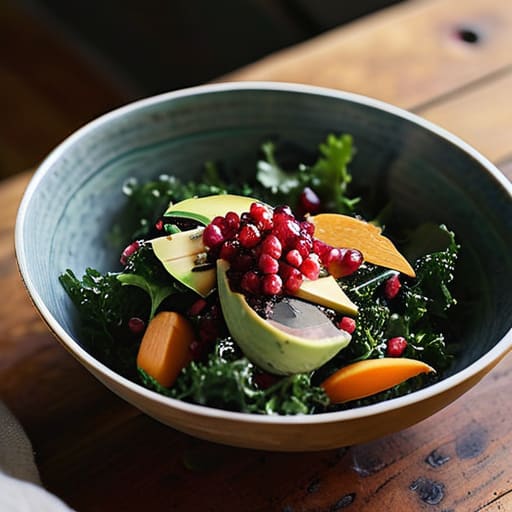
I used to think that making a decent lunch meant spending forty minutes chopping kale and hunting down some overpriced, artisanal vinaigrette just to feel like a functional adult. It’s a lie. We’ve been sold this idea that if you aren’t layering microgreens and pomegranate seeds like a professional chef, you’re failing at wellness. But honestly? Most of the time, I’m just trying to figure out how to make salad interesting enough to actually eat while I’m staring at a spreadsheet, without turning my kitchen into a disaster zone.
I’m not here to give you a list of “superfoods” that cost more than my monthly internet bill. Instead, I want to share the small, repeatable tweaks I’ve learned that actually work when you’re running on low energy and a tight schedule. We’re going to focus on texture, acidity, and crunch—the stuff that actually makes a bowl of greens feel like a meal rather than a chore. No life overhaul required, just a few smart ways to make your Tuesday lunch actually worth the effort.
Mastering Flavor Balancing in Salads Without a Recipe
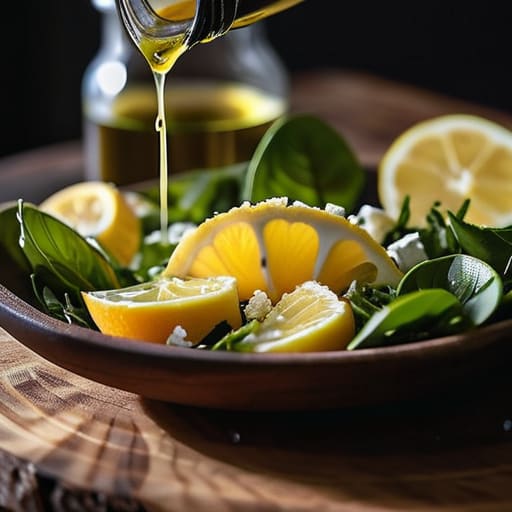
Look, you don’t need a printed recipe or a culinary degree to stop your lunch from tasting like wet grass. Most of the time, a sad salad is just suffering from a lack of contrast. I like to think of it like building a playlist; you need the highs, the lows, and something to bridge the gap. When I’m staring at a bowl of greens, I’m looking for that specific tension between acid and fat. If everything is heavy and creamy, you’ll feel sluggish by 2 PM. If it’s all vinegar, it’ll sting. The secret to flavor balancing in salads is simple: if it’s too heavy, hit it with a squeeze of lemon or a splash of apple cider vinegar. If it’s too sharp, add a bit of olive oil or some crumbled feta to mellow things out.
Once you’ve got the taste right, you have to address the mouthfeel. This is where most people fail. A salad that is just soft leaves is boring, no matter how good the dressing is. You need to prioritize adding texture to salads by incorporating something aggressive—think toasted sunflower seeds, sliced radishes, or even those crushed pita chips you found in the back of the pantry. It’s that crunch that actually makes your brain register the meal as satisfying rather than just something you’re “getting through” before your next Zoom call.
The Magic of Smart Salad Dressing Combinations
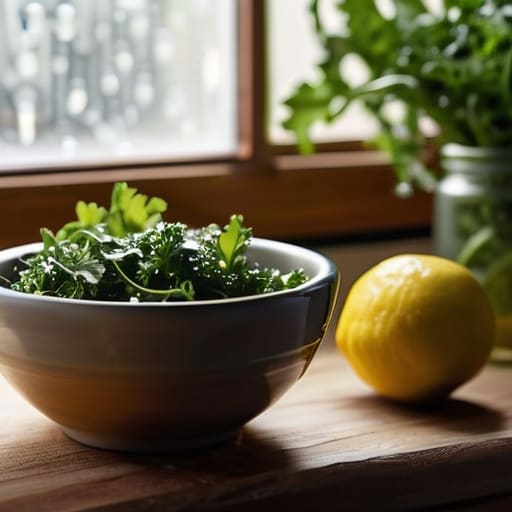
If you’re still reaching for that bottled, shelf-stable ranch every single time, we need to talk. I used to do the same thing—mostly because I was too drained by 6:00 PM to play chemist in my kitchen—but the real shift happened when I started experimenting with basic salad dressing combinations using stuff I already had in the pantry. You don’t need a culinary degree; you just need an acid (like lemon or apple cider vinegar) and a fat (olive oil or even a bit of tahini). Once you get that ratio down, you can pivot from a bright, zesty vinaigrette for a summer arugula bowl to something creamier and more comforting for a winter kale salad.
The trick is to treat the dressing as the glue that holds your ingredients together rather than just a wet layer on top. If your greens feel a bit heavy or earthy, a sharp citrus dressing acts like a reset button for your palate. I’ve also found that adding texture to salads becomes much easier when your dressing has a bit of body—think of a miso-ginger dressing that clings to crunchy cucumbers or a creamy yogurt-based herb sauce. It’s about making sure every bite actually feels intentional, rather than just a pile of wet leaves.
Five ways to stop treating your salad like an afterthought
- Texture is everything. If your bowl is just soft leaves, you’re going to get bored by the third bite. I always try to throw in something with a serious crunch—think toasted sunflower seeds, crushed pita chips, or even those weirdly good spicy chickpeas from a can. It makes the whole eating experience feel less like a chore and more like actual food.
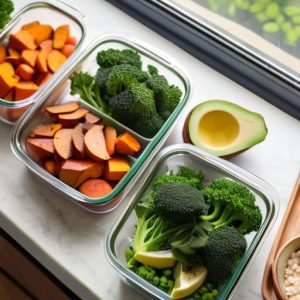
- Don’t sleep on the “warm and cold” trick. I’ve found that adding one warm element—like some roasted sweet potato chunks or even just some leftover warm quinoa—to a bed of cold greens completely changes the vibe. It feels more like a composed meal and less like a side dish you’re eating while staring at your inbox.
- Use fruit to cut the heavy stuff. If you’ve gone heavy on the cheese or nuts, grab some sliced apple, pear, or even dried cranberries. That little hit of sweetness acts like a reset button for your palate so every bite doesn’t just taste like “salt and vinegar.”
- Get aggressive with your herbs. Most people treat parsley or cilantro like a garnish you just toss on at the end, but I treat them like greens. Chop up a handful of mint, basil, or dill and mix it right in. It makes the salad smell incredible and gives it that fresh, intentional feel without needing a complex recipe.
- The “protein pivot.” A salad isn’t a meal if you’re hungry again twenty minutes later. Instead of the standard pre-packaged deli meat, try something with a bit more character—a jammy soft-boiled egg, some leftover cold roasted chicken, or even a scoop of seasoned lentils. It gives the bowl some weight and keeps you from reaching for snacks an hour later.
The quick-start cheat sheet for better bowls
Stop overthinking the recipe and just aim for a balance of textures—something crunchy, something soft, and something fresh—to keep your brain from getting bored halfway through the meal.
Treat your dressing like a science experiment rather than a chore; a quick hit of acid (like lemon or vinegar) and a bit of fat (like olive oil or avocado) will fix almost any bland salad.
Keep a “pantry toolkit” of high-impact toppings like toasted seeds, feta, or pickled onions on hand so you can upgrade a basic bowl in under thirty seconds.
The Low-Stakes Way to Eat Better
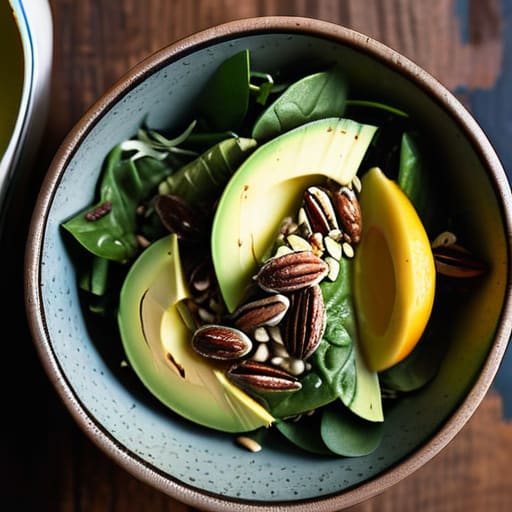
Look, at the end of the day, you don’t need a culinary degree or a pantry full of expensive imported oils to stop dreading your lunch. It really just comes down to a few simple moves: balance your flavors so you aren’t just eating plain leaves, lean into textures like something crunchy or creamy, and stop overthinking the dressing. Once you realize that a handful of toasted sunflower seeds or a quick squeeze of lemon can transform a sad pile of greens into something actually satisfying, the whole process changes. It’s about moving away from those rigid, boring recipes and leaning into intentional, small upgrades that make the meal feel intentional rather than just a chore.
I know how it goes—some days you just want to fuel up and get back to your desk without a massive cleanup. That’s fine. You don’t need to make a gourmet masterpiece every single time you eat. The goal isn’t perfection; it’s just about making your daily routine a little bit more enjoyable. If you can turn a mediocre Tuesday lunch into something that actually tastes good, you’ve already won a small battle against the chaos of the week. So, grab whatever is in your fridge, throw in a bit of texture, and just start building. You’ll figure out the rest as you go.