Staying Focused During Study Sessions When You’re Losing Interest

I was sitting at my desk last Tuesday, surrounded by three half-empty coffee mugs and a stack of textbooks that felt more like a mountain than a resource, staring blankly at a blinking cursor. I had spent forty minutes “preparing” my workspace—organizing my pens, cleaning my mechanical keyboard, and curating the perfect lo-fi playlist—only to realize I hadn’t actually read a single sentence. We’ve been sold this lie that mastering how to focus while studying requires a pristine, aesthetic sanctuary and a dozen expensive productivity apps. Honestly? That’s just productive procrastination in a fancy outfit, and it’s a total trap.
I’m not here to sell you on a complete life overhaul or some impossible standard of monastic silence. Instead, I want to share the small, messy, and highly practical systems I use to actually get things done when my brain wants to do anything else. We’re going to skip the fluff and focus on low-effort, high-impact habits that work in the real world—even when your environment is chaotic. Let’s figure out how to handle your next study session without needing a total lifestyle redesign.
Mastering the Pomodoro Technique for Students

Look, I know the standard advice is to just “sit down and grind,” but my brain usually checks out after fifteen minutes of staring at a textbook. That’s where the pomodoro technique for students actually saved my sanity. Instead of viewing a four-hour study session as one giant, looming mountain, I break it into tiny, manageable sprints. I set a timer for 25 minutes of pure focus, followed by a five-minute break where I actually leave my desk. It’s not about working longer; it’s about working with intention so you don’t burn out by noon.
The trick is being ruthless with those breaks. If you spend your five minutes scrolling through TikTok, you aren’t actually resting; you’re just adding more noise to your brain. To truly build deep work study habits, use those intervals to grab water, stretch, or just stare out the window. This helps manage your cognitive load and learning capacity by giving your mind a chance to process what you just read. If you can master this rhythm, you’ll find that staying in the zone becomes much easier, even when the material gets heavy.
Minimizing Study Distractions When Things Get Messy

Look, we’ve all been there: you sit down with the best intentions, and suddenly you’ve spent forty minutes down a Wikipedia rabbit hole about 19th-century maritime law. It’s not just a lack of willpower; it’s about minimizing study distractions before they even have a chance to hijack your brain. I’ve learned the hard way that if my phone is sitting face-up next to my laptop, I’ve already lost. I started using a “phone jail”—literally just putting my device in a drawer in another room—and the difference in my focus was night and day. It’s about reducing the friction between you and the task at hand.
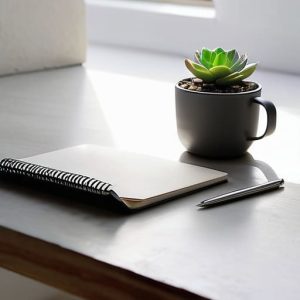
Another thing that saved my sanity is being intentional about my effective study environment setup. I used to try working from my bed, which is basically a recipe for a nap rather than a study session. Now, I keep my desk strictly functional—just my laptop, my notebook, and maybe a lukewarm coffee. If the space around you is chaotic, your brain is going to feel that clutter, too. By clearing the physical mess, you’re essentially lowering the cognitive load on your mind, making it way easier to actually dive into the work without feeling constantly pulled in a dozen different directions.
The small wins: 5 ways to actually get stuff done
- Stop trying to “find motivation” and just start with a five-minute timer. Usually, the hardest part isn’t the actual work; it’s the mental friction of starting. Tell yourself you’ll only do five minutes, and once the momentum kicks in, you’ll probably keep going.
- Treat your phone like a roommate you’re currently fighting with. Don’t just flip it over; put it in another room or a drawer. If it’s within arm’s reach, your brain is subconsciously waiting for it to buzz, and that split-second of anticipation is enough to kill your flow.
- Curate a “focus soundtrack” that doesn’t have lyrics. I personally swear by lo-fi beats or even just the sound of a heavy rainstorm. If there are words in your ears, your brain is going to try to process them, which is basically like trying to read while someone is talking to you.
- Keep a “distraction pad” next to you—this is where my physical notebook comes in handy. When you suddenly remember you need to buy laundry detergent or check a random Wikipedia fact, don’t do it. Write it down on the pad to get it out of your head, and deal with it only after your study block is over.
- Fix your physical space, even if it’s just a tiny corner of a messy desk. You don’t need a minimalist aesthetic, but you do need a clear landing zone for your laptop and notebook. If your immediate field of vision is cluttered, your brain is going to feel cluttered, too.
The quick wins for your next study session
Stop aiming for a perfect eight-hour grind; just focus on winning your next twenty-five-minute block.
Protect your focus by clearing the physical and digital clutter before you even open your textbook.
Build your momentum through small, repeatable habits rather than waiting for a sudden burst of motivation that might never show up.
Getting Back to the Grind

Look, we’ve covered a lot of ground here. From leaning into the Pomodoro method to stop the endless scrolling, to actually cleaning up your physical and digital space so you aren’t fighting your environment every five minutes. The reality is that you aren’t going to have a perfect, distraction-free day every single time you sit down to work. Some Tuesdays are just going to be loud, chaotic, and unproductive. But the goal isn’t to achieve some mythical state of flawless concentration; it’s about having a few reliable tools in your pocket so that when things get messy, you know exactly how to find your way back to the task at hand.
At the end of the day, don’t let a bad study session convince you that you’re incapable of learning. If you lose focus for an hour, don’t throw the whole afternoon away—just reset, grab your notebook, and try one more small block. Productivity isn’t about a massive, cinematic life overhaul; it’s really just about showing up for the small stuff over and over again. You don’t need to be a genius to get through this semester; you just need to master the art of the reset. You’ve got this.