The Only Productivity Apps You Should Actually Spend Time on
I used to think that being “productive” meant living in a perfectly color-coded digital ecosystem where every minute was accounted for. But after a few years of juggling freelance gigs and a chaotic remote schedule, I’ve realized that most people don’t need a complex system; they just need to stop feeling like they’re drowning by 2:00 PM. We’ve all been there—scrolling through endless tutorials trying to find the best productivity apps to fix our lives, only to end up more overwhelmed by the tools than the actual work. The truth is, the right setup shouldn’t feel like a second job; it should just quiet the noise so you can actually focus.
In this post, I’m stripping away the fluff and sharing the nine specific tools that actually help me keep my head above water. I’ve curated a list of my personal favorites that focus on small, manageable wins rather than massive, intimidating overhauls. Whether you’re looking to tame a messy inbox, track a habit, or finally get your brain out of “scatter mode,” these picks are designed to work when life gets messy. Let’s find the few things that will actually help you conquer your Tuesday.
Notion: The Digital Everything Bucket
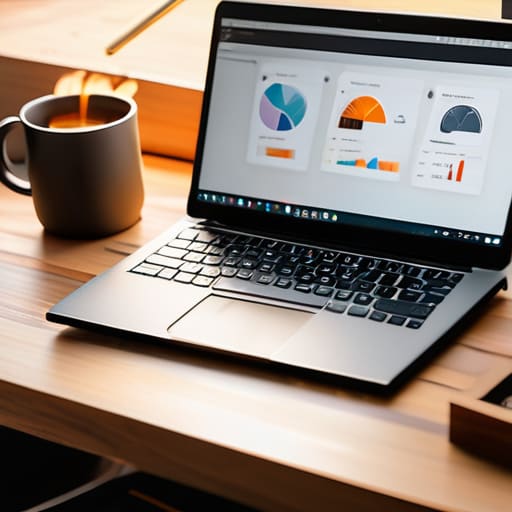
I used to be a total minimalist with my tools, but then I realized my brain is actually quite a mess. Notion became my solution for when I need to house everything from project timelines to my random late-night thoughts about keyboard switches. It’s basically a blank canvas that lets you build a system that actually fits your brain instead of forcing you to adapt to a rigid structure.
Todoist: For the Quick Wins
Sometimes, I don’t have the mental bandwidth to organize a whole workspace; I just need to know that I need to buy milk and email a client. That’s where Todoist comes in. It is the ultimate tool for capturing tasks the second they pop into your head so you can stop looping them in your mental RAM.
Forest: Gamifying Your Focus
We all know the struggle of picking up our phones the second a task gets slightly difficult. I’ve definitely spent way too much time scrolling through mindless feeds when I should have been finishing a project brief. Forest turned my focus sessions into a bit of a game, which honestly appeals to my inner child more than I’d like to admit.
Google Calendar: The Non-Negotiable Skeleton
If it isn’t on the calendar, it basically doesn’t exist in my world. I rely on Google Calendar to act as the structural skeleton for my entire week. It’s not just for meetings, though; I’ve started time-blocking my actual work sessions and even my downtime, which has been a total game-changer for my stress levels.
Obsidian: For the Deep Thinkers
While Notion is great for organization, Obsidian is where I go when I need to actually connect the dots between ideas. It’s a markdown-based note-taking app that functions like a second brain. It’s less about tidy lists and more about building a web of knowledge that grows organically as you learn new things.
Trello: Visualizing the Chaos
There are some days when a list just feels too linear and suffocating. On those days, I switch over to Trello. The Kanban board style—moving cards from “To Do” to “Doing” to “Done”—gives me a massive sense of tactile satisfaction. It makes the progress of a project feel much more physical and visible.
Focus@Will: Soundscapes for Productivity
I can’t work in total silence, but I also can’t work with lyrics playing in my ears—it’s too distracting. Focus@Will is my secret weapon for getting into that flow state when the environment around me is just too loud or chaotic. It uses scientifically engineered music designed to keep your brain engaged without being distracting.
Slack: The Remote Work Lifeline
Since I work remotely, Slack is essentially my “office.” It’s where the social connection happens, and it’s where the actual coordination of my freelance projects lives. Without it, I’d feel like I was working on a deserted island, which is a pretty lonely way to handle a career.
Pocket: Curating Your Mental Input
My biggest productivity killer is “rabbit hole syndrome”—you go to look up one thing and suddenly you’re thirty minutes deep into an article about the history of mechanical switches. Pocket lets me save those interesting reads for later, so I don’t get distracted in the heat of a work session.
The TL;DR for your messy week
Don’t try to master every app at once; pick one that solves your biggest headache right now and ignore the rest.
Tools are just there to support your habits, not replace them—if an app feels like more work than the task itself, ditch it.
Aim for small, consistent wins rather than a perfect system, because a slightly messy workflow that actually works beats a “perfect” one that you never use.
The Bottom Line
Look, I know the idea of downloading five new apps and setting up a complex digital ecosystem sounds like the ultimate solution to your chaos. But after testing these tools through my own messy freelance cycles, I’ve realized that the “best” app isn’t the one with the most features or the prettiest interface. It’s the one that actually sticks to your routine without requiring a manual to operate. Whether you’re leaning into a heavy-duty task manager to keep your projects from spiraling or just using a simple timer to reclaim your focus, the goal is to reduce friction, not add more digital noise to your already crowded screen.
At the end of the day, these apps are just tools—they aren’t the finish line. You can have the most perfectly optimized Notion workspace in the world, but it won’t matter if you don’t actually show up for the work. Don’t get caught in the trap of “productive procrastination,” where you spend more time tweaking your settings than actually getting things done. Pick one tool, give it a week, and let it do its job. Remember, you aren’t trying to build a perfect, robotic life; you’re just trying to find a little more breathing room in the middle of a busy week. Let’s just take it one Tuesday at a time.