Designing a Workspace That Drives Deep Focus
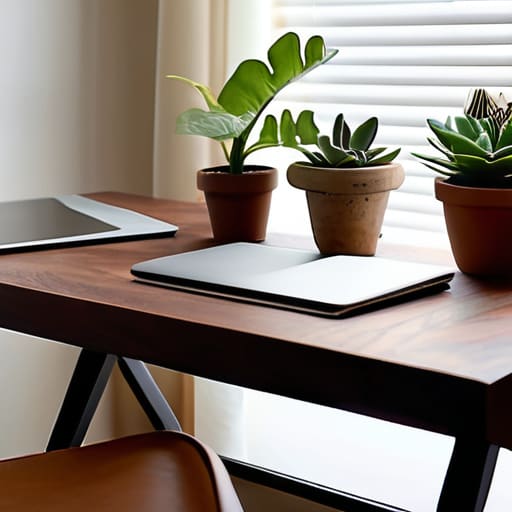
I used to think that learning how to build a productive workspace meant dropping two months’ worth of rent on a “minimalist” ergonomic setup that looked more like a sci-fi movie set than a place to actually work. I spent way too many hours scrolling through aesthetic desk setups on social media, convinced that if I just had the right $300 mechanical keyboard or a specific shade of matte grey lamp, my brain would suddenly stop wandering. But let’s be real: a fancy desk doesn’t fix a chaotic mind, and a high-end chair won’t save you if your environment is a sensory nightmare.
I’m not here to sell you on a lifestyle overhaul or a shopping list of overpriced gadgets. Instead, I want to share the small, functional tweaks that actually helped me transition from a cramped college dorm to managing freelance projects from my apartment. We’re going to focus on low-effort, high-impact changes—the kind of stuff that makes your Tuesday feel manageable rather than overwhelming. This isn’t about perfection; it’s about building a space that actually works when life gets messy.
Small Workspace Organization Hacks for Messy Tuesdays
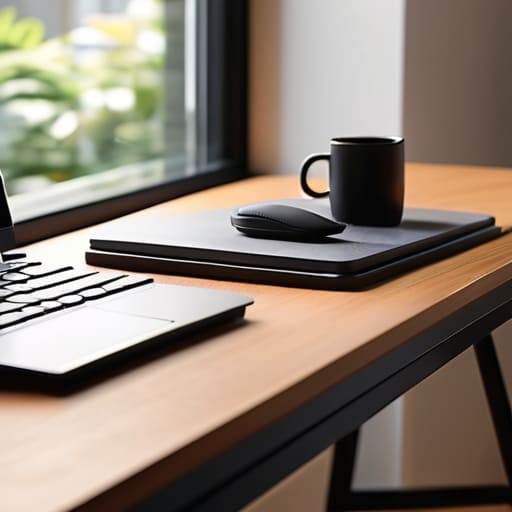
First off, let’s stop pretending we have the willpower to ignore a pile of random mail or half-empty coffee mugs. When Tuesday hits and my brain feels like it has forty tabs open, I don’t do a deep clean; I just implement a few quick workspace organization hacks to stop the bleeding. I’ve found that the “one-in, one-out” rule works wonders for my desk. If I pull out my mechanical keyboard to do some deep work, the loose pens and fidget toys go straight back into a drawer. It’s not about being a minimalist; it’s about minimizing desk distractions so I’m not staring at clutter while trying to hit a deadline.
Another thing that saves me is the “landing strip” method. I keep one small tray—nothing fancy, just a simple wooden dish—for my keys, my pocket notebook, and my phone. It keeps the small stuff from migrating across my entire desk surface. If you’re feeling particularly scattered, try focusing on your immediate reach zone. If you can’t touch it without leaning uncomfortably, it shouldn’t be in your primary field of vision. Keeping that central space clear is one of the easiest ways to stay grounded when the workday starts feeling chaotic.
Essential Desk Accessories for Productivity That Actually Work
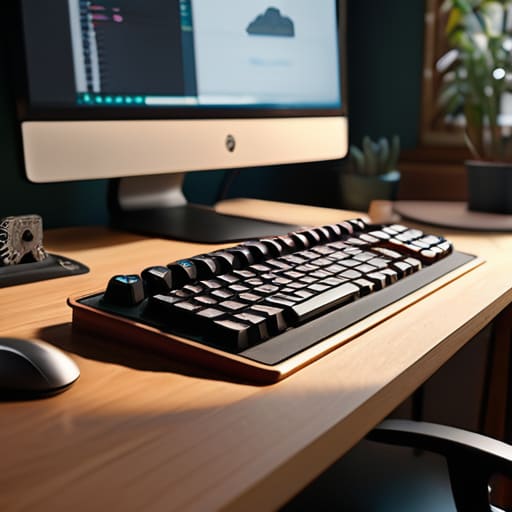
Look, I’m not here to tell you to go out and drop half a paycheck on a high-end designer chair or a mahogany desk. Most of the stuff you see in those “aesthetic” setup videos is overkill for a real person just trying to get through a freelance sprint. For me, the best essential desk accessories for productivity are the ones that solve a specific friction point. Take my mechanical keyboard, for example—it’s a hobby, sure, but the tactile feedback actually helps me stay present during long coding or drafting sessions. If you’re feeling that midday brain fog, sometimes just adding a solid wrist rest or a decent mousepad can be the difference between feeling focused and feeling physically drained.
Another thing that changed the game for me was looking into home office lighting optimization. I used to work under that single, harsh overhead light that made my eyes ache by 3:00 PM. Now, I keep a small, warm desk lamp to the side. It creates a soft “zone” of light that helps with improving focus with environment, making the rest of the room fade away so I can actually get into a flow state. It’s not about the gear being expensive; it’s about choosing tools that stop your physical surroundings from getting in the way of your actual work.
Five Ways to Stop Your Desk from Eating Your Brain
- Curate your “active” zone. I used to keep everything from my stapler to a half-empty bag of pretzels within arm’s reach, but it just created visual noise. Keep only what you touch every single day—keyboard, mouse, notebook, water—on the actual desk surface. Everything else gets a home in a drawer or a bin.
- Master the “End-of-Day Reset.” This is my non-negotiable. Before I close my laptop, I spend exactly three minutes clearing my workspace. It’s not about deep cleaning; it’s about making sure that when I sit down tomorrow morning, I’m not immediately greeted by yesterday’s chaos.
- Control your lighting, don’t just endure it. Harsh overhead lights are the quickest way to trigger a headache by 2 PM. If you can, position your desk near natural light, or grab a cheap warm-toned desk lamp. It makes the space feel intentional rather than clinical.
- Use a physical “distraction log.” Since I’m a digital native, I’m constantly tempted to open a new tab when a random thought pops up. Now, I keep my pocket notebook right next to my keyboard. If I remember I need to buy cat food or check a flight, I jot it down and immediately go back to the task at hand.
- Incorporate one “low-stakes” sensory element. Productivity isn’t just about efficiency; it’s about staying in the chair. Whether it’s a small plant that needs watering or a specific mechanical keyboard switch that feels satisfying to press, give yourself one small, tactile thing that makes being at your desk feel like a choice, not a chore.
The Bottom Line: Keeping It Real
Don’t aim for a Pinterest-perfect desk; just aim for a space where you can actually find your pen when you need it.
Invest in tools that serve a purpose, not just things that look cool on a desk setup tour.
Remember that your workspace is a living thing—it’s okay to reset it every Tuesday rather than trying to maintain perfection 24/7.
Making It Stick

At the end of the day, building a workspace isn’t about buying every aesthetic gadget on a curated social media feed. It’s about the small, practical stuff we talked about—clearing the surface clutter so you can breathe, choosing tools that actually serve your workflow, and setting up a little corner that feels like yours. Whether it’s a dedicated spot for your notebook or just a clean desk for your laptop, these tiny adjustments are what keep you from spiraling when your to-do list starts looking impossible. You don’t need a custom-built mahogany desk to be effective; you just need a setup that doesn’t fight against you while you’re trying to get things done.
If your desk is a disaster right now, don’t sweat it. You don’t need to spend your entire Sunday doing a deep clean to reset your brain. Just pick one thing—maybe it’s just clearing away the empty coffee mugs or organizing your pens—and start there. Productivity isn’t about achieving some state of perfect, zen-like stillness; it’s about creating a space that helps you navigate the chaos of a normal, messy Tuesday. Take it one small habit at a time, and I promise, the rest will follow.