Real Ways to Unwind After a Demanding Day

I used to think that “relaxing” meant buying a $50 weighted blanket or committing to a two-hour evening meditation ritual that just left me feeling more stressed about how poorly I was breathing. Honestly, most of the advice you find online about how to relax after work feels like it was written for people who have nothing better to do than curate a perfect, aesthetic lifestyle. If you’re like me—navigating a chaotic freelance schedule and trying to find some semblance of peace between Zoom calls and endless notifications—you don’t need a complete life overhaul. You just need a way to stop your brain from spinning the second you close your laptop.
I’m not here to sell you on a lifestyle transformation or some expensive wellness retreat. Instead, I want to share the small, slightly messy, and highly practical things that actually help me reset my system when the day feels like a total wash. We’re going to skip the fluff and focus on low-effort, high-reward habits that fit into a real, busy life. Let’s figure out how to actually reclaim your evenings, one small habit at a time.
Small Habits for Transitioning From Work to Home

The problem is that for most of us, the “commute” is just a walk from the desk to the couch, and our brains never actually get the memo that the shift is over. I used to carry my Slack notifications like a heavy backpack into my dinner conversations. To fix this, I started implementing a tiny, non-negotiable ritual: the “digital sunset.” About fifteen minutes before I officially clock out, I close every single tab on my laptop and physically write my top three priorities for tomorrow in my pocket notebook. It sounds basic, but that act of externalizing my to-do list acts as a mental circuit breaker, preventing those lingering work thoughts from bleeding into my evening.
Once I’m actually away from the screen, I focus on transitioning from work to home through sensory shifts. Since I spend all day in a digital headspace, I need something tactile to ground me. Sometimes it’s the rhythmic clicking of a mechanical keyboard I’m cleaning, or sometimes it’s just changing into a specific “off-duty” hoodie. It’s not about a massive lifestyle change; it’s about creating a physical cue that tells my nervous system it’s safe to downshift. These small, intentional micro-habits are way more effective than trying to force a meditative state when your brain is still buzzing from a deadline.
Practical Stress Relief Activities for Messy Tuesdays
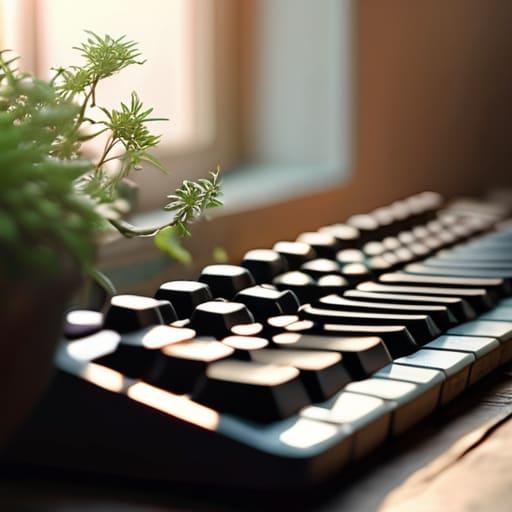
When Tuesday hits that mid-week slump and your brain feels like it has fifty browser tabs open, don’t aim for a two-hour meditation session. It’s too much. Instead, look for low-stakes stress relief activities that don’t require a “plan.” For me, that usually means leaning into something tactile. I’ll pull out my toolkit and spend twenty minutes cleaning the switches on a vintage keyboard. There’s something about the repetitive, mechanical clicking that acts as a sensory reset. If you aren’t into tinkering, even just something as simple as a non-negotiable ten-minute walk without a podcast can help clear the mental fog.
If your brain is still looping through unread emails, you might need more active physical relaxation methods to force the shutdown. I’ve found that a quick, intense stretch or even just a very hot shower helps signal to my body that the “productive” part of the day is officially over. It’s not about achieving perfect zen; it’s about breaking the momentum of the workday. The goal isn’t to fix your entire life by 8:00 PM, it’s just to stop the work-stress from bleeding into your sleep.
Five low-effort ways to actually decompress
- Create a “sensory reset” the second you log off. For me, that’s swapping my laptop for my vintage mechanical keyboard just to type something mindless, or changing out of my “work” hoodie into something even softer. It signals to your brain that the shift has happened.
- Stop the “doom-scrolling” loop. It feels like relaxing, but it’s actually just more input for a brain that’s already fried. Try five minutes of absolutely nothing instead—no phone, no podcast, just sitting with a glass of water. It sounds boring, but it works.
- Use a “brain dump” to close the tabs in your head. If you’re still worrying about that email you missed, grab my trusty pocket notebook and scribble it down. Once it’s on paper, your brain stops looping the task, and you can actually focus on your dinner.
- Lower the lights and the volume. We spend all day under harsh office lights and constant notifications. Dimming the lamps and putting on some lo-fi beats isn’t just an aesthetic choice; it’s a physiological cue to your nervous system to chill out.
- Pick one “low-stakes” tactile task. Whether it’s washing three dishes, watering a plant, or even just organizing a single drawer, doing something physical and repetitive helps ground you in the present moment instead of dwelling on tomorrow’s deadlines.
The TL;DR on actually reclaiming your evening
Stop waiting for a weekend retreat to reset; focus on tiny, repeatable rituals that signal to your brain that the workday is officially over.
Don’t aim for a perfect “zen” routine—just pick one low-effort activity that makes you feel human again, even if it’s just five minutes of silence.
Protect your transition time like it’s a client deadline; if you don’t intentionally create a buffer between work and home, the stress will just bleed into your entire night.
Finding Your Rhythm

Look, I know it sounds a bit repetitive, but it really does come down to those tiny, intentional shifts. Whether it’s that five-minute buffer between closing your laptop and stepping into your kitchen, or finding a low-stakes activity like cleaning a single keyboard switch to quiet your brain, these aren’t just “tasks.” They are the guardrails that keep your professional life from bleeding into your personal peace. You don’t need a three-hour meditation retreat or a complete lifestyle redesign to feel better; you just need to stop treating your transition time as wasted time and start seeing it as the most important part of your day.
At the end of the day, some Tuesdays are just going to be chaotic. There will be days when the “perfect” wind-down routine goes out the window because you’re too exhausted to even pick up your notebook. That’s okay. The goal isn’t perfection; it’s just about having a few reliable tools in your kit for when things get messy. Don’t put pressure on yourself to master relaxation. Just focus on finding one small way to reclaim your evening, one night at a time. You’ve got this, and honestly, you deserve a little bit of quiet once the screen goes dark.