How to Increase Your Daily Movement Without a Gym Membership

I was sitting at my desk last Tuesday, staring at a half-finished project and a lukewarm coffee, feeling that familiar, heavy stiffness in my lower back that only comes from being hunched over a mechanical keyboard for six hours straight. Every “wellness” influencer on my feed was telling me I needed a $150 yoga mat or a dedicated hour for a high-intensity HIIT session just to stay healthy. Honestly? That sounds exhausting and, frankly, completely unrealistic when you’re just trying to manage a freelance workload and keep your head above water. I realized then that I didn’t need a lifestyle overhaul; I just needed some simple ways to move more that didn’t involve turning my entire apartment into a makeshift gym.
I’m not here to sell you on a grueling fitness regime or some expensive subscription service. Instead, I want to share the small, low-effort shifts that actually work when your schedule is a chaotic mess. We’re going to focus on micro-movements—the kind of tiny, manageable habits you can slip into your existing routine without even breaking a sweat. Let’s stop overcomplicating things and just figure out how to make your daily grind feel a little less static.
Low Impact Physical Activity for Real Life
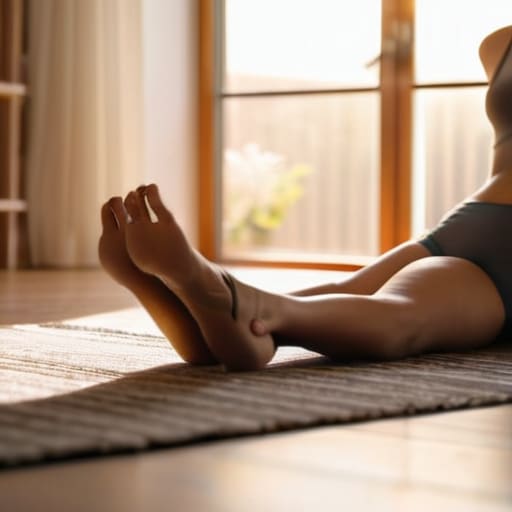
Look, I get it. The idea of hitting a high-intensity bootcamp after a grueling eight-hour stretch of staring at spreadsheets sounds less like “wellness” and more like a punishment. When your brain is fried, the last thing you want is a heavy lifting session. Instead, I’ve found that focusing on low impact physical activity is much more sustainable for the long haul. I’m talking about things that don’t require a change of clothes or a massive energy spike—think of it as gentle maintenance for your body rather than a total overhaul.
For me, the real game-changer has been finding tiny ways of incorporating movement into my workday without losing my flow. I’ve started doing some basic calf raises while my coffee brews or a quick standing stretch every time I finish a client call. It’s not about breaking a sweat; it’s about countering the stiffness that comes from a sedentary lifestyle. If you can find those little pockets of time to just shift your weight or pace around the room while you’re thinking through a problem, you’ll realize that you don’t need a gym membership to stop feeling like a human statue by 5:00 PM.
Easy Ways to Stay Active at Home
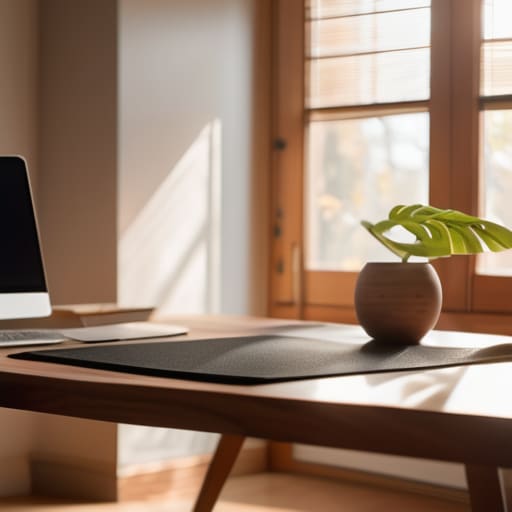
Since I spend most of my day working remotely, my apartment has basically become my office, my gym, and my living room all rolled into one. When you’re working from home, it’s way too easy to fall into a trap of sitting in the same ergonomic chair for six hours straight without realizing it. I’ve found that the best easy ways to stay active at home aren’t about setting up a dedicated squat rack; they’re about finding those tiny pockets of time between meetings. I usually keep a yoga mat rolled up near my desk, not for a full hour-long session, but just to do a few quick stretches when my lower back starts feeling the tension of a long Zoom call.
Another thing that’s been a game-changer for me is treating my chores like mini-workouts. Instead of just scrolling through my phone while waiting for the kettle to boil, I’ll do a few calf raises or some light lunges. It sounds a bit silly, but it’s a solid way of incorporating movement into my workday without needing to change into gym clothes. It’s all about those small, repetitive motions—what some people call the benefits of non-exercise activity thermogenesis—that keep your energy from bottoming out by 3:00 PM. You don’t need a lifestyle overhaul; you just need to stop treating your desk like a permanent anchor.
The "Tiny Wins" Strategy: 5 Ways to Keep Moving Without the Burnout
- Use the “Micro-Movement” Rule. When you’re waiting for your coffee to brew or a file to download, don’t just stare at the screen. Do some calf raises, a quick stretch, or just pace the kitchen. It turns dead time into active time without needing a change of clothes.
- Audit your “Transition Moments.” We spend so much time moving from one task to another—switching from a Zoom call to answering emails, for instance. Instead of collapsing into your chair, take the long way to the kitchen or do one quick lap around your apartment. It resets your brain and your body at the same time.
- Gamify your commute (even if it’s just to the living room). If you’re working remotely, your “commute” might just be walking from your bed to your desk. Make it intentional. Walk a bit faster, take the stairs if you’re in a building, or step outside for five minutes just to feel the air. It breaks the sedentary loop.
- Set “Movement Triggers” in your digital workflow. Since I spend most of my day staring at spreadsheets or project boards, I’ve started linking movement to specific digital cues. Every time I hit “send” on a big email or close a difficult task, I stand up and stretch for sixty seconds. It’s a reward system that actually works.
- Keep a “Movement Kit” within arm’s reach. You don’t need a full gym setup, but having a foam roller or even just a yoga mat rolled up near your desk makes it way easier to say yes to a quick stretch. If the equipment is already there, the barrier to entry is basically zero.
The TL;DR on Moving More
Stop waiting for a “perfect” hour-long workout window that never actually comes; just look for the five-minute gaps in your schedule to get moving.
Focus on consistency over intensity—a quick stretch while your coffee brews beats a grueling gym session that you end up skipping because you’re too burnt out.
Build movement into the things you’re already doing, like pacing during a call or taking the long way to the kitchen, so it feels less like a chore and more like a habit.
The Tuesday Strategy
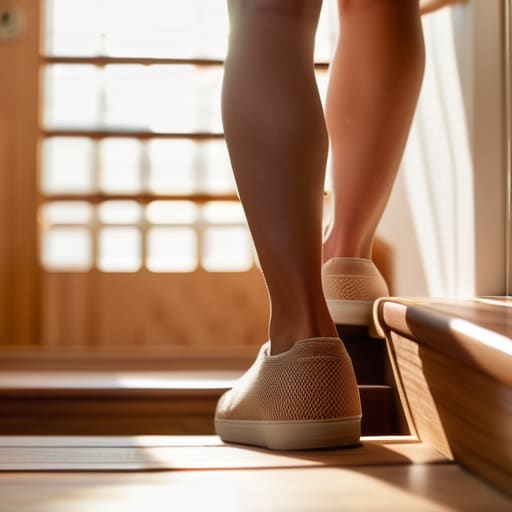
Look, we aren’t trying to train for a marathon or turn our living rooms into high-intensity CrossFit boxes. We’re just trying to stop feeling like a human statue by 5:00 PM. Whether it’s opting for a low-impact stretch during a mid-day slump, using those tiny pockets of time at home to get your blood flowing, or simply choosing the stairs when you’re already running late, it all counts. The goal isn’t perfection; it’s about finding the friction points in your day and smoothing them out with a little bit of intentional movement. If you can manage to add just one small habit into your routine, you’ve already won the battle against a sedentary Tuesday.
At the end of the day, I’ve realized that my best work—and my best mood—doesn’t come from grinding through eight hours of stillness. It comes from those small, rhythmic resets that keep me grounded. Don’t wait for a “fresh start” on Monday or a New Year’s resolution to start taking care of your body. Just pick one thing from this list and try it tomorrow. You don’t need a complete life overhaul to feel better; you just need to embrace the small wins when life gets messy. Let’s just focus on making tomorrow a little bit more mobile, one small step at a time.