Proven Strategies for Breaking Bad Habits for Good

I was sitting at my desk at 2:00 AM last Tuesday, the blue light from my monitor making my eyes ache, while I mindlessly scrolled through social media for the third hour in a row. I knew I had a deadline looming, but my thumb just kept moving in that same, rhythmic, completely useless pattern. It’s that specific kind of frustration where you realize you’re not even enjoying the distraction anymore; you’re just stuck in a loop. Most “gurus” will tell you that you need a complete spiritual awakening or a $500 productivity planner to fix this, but honestly, that’s total nonsense. Learning how to break bad habits isn’t about some grand, overnight transformation or punishing yourself into submission.
I’m not here to sell you a lifestyle overhaul that lasts exactly four days before you burn out. Instead, I want to talk about the small, gritty mechanics of why we do the things we do and how to nudge ourselves in a different direction. I’m going to share the low-stakes, practical strategies I’ve used to reclaim my focus, focusing on tiny adjustments rather than massive shifts. Let’s stop trying to fix our entire lives and just focus on getting through a messy Tuesday without letting those old patterns take the wheel.
Mastering the Habit Loop Mechanism Without the Stress
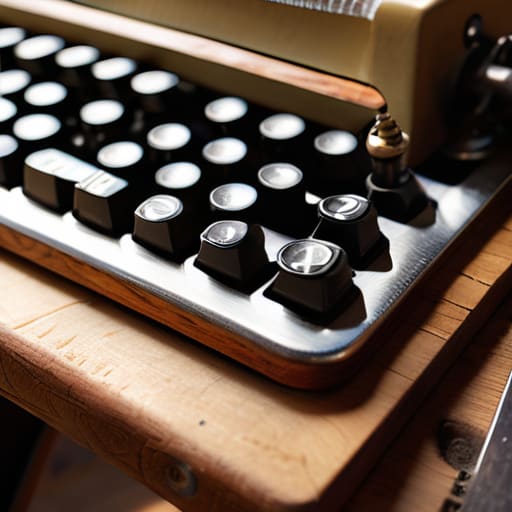
To understand why we do what we do, we have to look at the habit loop mechanism. It’s not some mysterious force; it’s just a three-part cycle: a cue, a routine, and a reward. Think of it like my vintage keyboard restoration projects. If I see a stuck key (the cue), I reach for the tweezers (the routine) to get that satisfying click (the reward). Our brains are wired this way to save energy, but when that loop involves scrolling through social media for two hours instead of working, it becomes a problem. The trick isn’t to fight your brain with pure willpower—that’s a losing battle—but to start identifying the triggers that kick the loop into gear.
Once you spot the cue, you can start working on replacing bad habits with good ones by keeping the reward but swapping the action. If you snack when you’re stressed, your brain is actually craving a dopamine hit, not necessarily the chips. Instead of trying to delete the habit entirely, try to interrupt the pattern with something low-effort but equally soothing, like a quick stretch or a fresh glass of water. It’s about being strategic rather than punishing yourself, making the change feel less like a chore and more like a minor adjustment to your daily flow.
Using Behavioral Psychology Techniques for Real Results

Instead of trying to use sheer willpower—which, let’s be real, usually fails by 4:00 PM—I like to lean into a few actual behavioral psychology techniques. One of the most effective ways to approach this is by focusing on overcoming subconscious triggers. Most of our “bad” habits aren’t even conscious choices; they’re automated responses to things like stress, boredom, or even just the time of day. If you can identify the specific cue that starts the spiral, you stop fighting a ghost and start managing a predictable pattern.
Once you spot that trigger, the goal isn’t just to stop the behavior, but to focus on replacing bad habits with good ones. Think of it like my keyboard restoration projects: you can’t just remove a broken switch and leave a gaping hole in the board; you have to slot something new in its place to keep the whole thing functional. This is where the magic of neuroplasticity and habit change comes in. By intentionally inserting a new, smaller action into that old slot, you’re essentially rewiring your brain’s circuitry. You aren’t just “quitting” something; you’re actively building a new path for your brain to follow.
Five Low-Stakes Ways to Actually Make Change Stick
- Audit your environment instead of your willpower. If you’re trying to stop mindless scrolling, put your phone in another room or turn your screen to grayscale. It’s way easier to change what you see than to fight your brain every single time you pick it up.
- Find your “replacement” habit. You can’t just delete a habit; you have to swap it out. If you tend to snack when you’re stressed at your desk, keep a notebook nearby to doodle or grab a glass of water instead. Give that restless energy somewhere else to go.
- Use the “Two-Minute Rule” for the new stuff. When you’re trying to build a good habit to replace a bad one, make it stupidly easy. Don’t aim for a 30-minute workout; aim to put on your gym shoes. Once the friction is gone, the rest usually follows.
- Track the small wins, not just the big ones. I keep a physical notebook for a reason—there’s something about physically crossing something off that hits differently. Don’t wait for a “perfect week”; just celebrate the fact that you handled a rough Wednesday without slipping up.
- Forgive the slip-ups immediately. You’re going to mess up. You’re going to have a day where everything goes sideways and you fall right back into old patterns. The goal isn’t perfection; it’s just making sure that one bad Tuesday doesn’t turn into a bad month.
The TL;DR for Your Next Reset
Stop trying to kill a habit all at once; instead, focus on disrupting the specific trigger that sets the loop in motion.
Swap “willpower” for better environment design—if it’s too easy to do the bad thing, you’ve already lost the battle.
Be kind to yourself when you slip up, because one messy afternoon doesn’t have to ruin your entire week.
The Long Game (and Why It’s Okay to Mess Up)
At the end of the day, breaking a bad habit isn’t about some grand, cinematic moment of willpower where you suddenly become a new person. It’s really just about understanding that loop—the cue, the craving, and the response—and finding ways to tweak the mechanics without losing your mind. We talked about using psychology to work with your brain instead of against it, and how to spot those tiny triggers before they turn into a full-blown spiral. It’s about being a bit more strategic with your environment and a lot more patient with your progress. If you try to fix everything at once, you’ll probably just burn out by Thursday.
Look, some days are going to be total write-offs. You’ll hit a stressful deadline, skip your routine, and fall right back into that old, easy pattern. When that happens, don’t treat it like a failed mission; treat it like a glitch in the system. You don’t throw away your whole computer just because one app crashed, right? You just reboot and try again. Focus on winning the small, quiet battles of the everyday. If you can just manage to handle one messy Tuesday a little better than the last, you’re already ahead of the game. Let’s just take it one habit at a time.