Food Storage Hacks to Keep Your Groceries Fresh
I was staring at a container of what used to be expensive organic spinach last Tuesday, watching it turn into a puddle of green sludge, and I realized I was doing it again. We’ve all seen those aesthetic, hyper-organized pantry videos where everything is in uniform glass jars with custom labels, but honestly? That’s a recipe for burnout, not better eating. Most “expert” advice on how to store food properly feels like it requires a degree in culinary science or a massive budget for specialized vacuum sealers. I don’t have the time or the headspace for a lifestyle overhaul just to keep my berries from molding by Wednesday.
I’m not here to sell you on a $200 organizational system or a complicated color-coded chart. Instead, I want to share the low-stakes, practical habits I’ve picked up while navigating a messy freelance schedule and a tiny kitchen. We’re going to focus on the small, repeatable tweaks—like knowing which veggies actually hate being crowded—that make a massive difference in your week. Let’s figure out a way to make your groceries actually last, so you can stop throwing money in the trash and start handling your Tuesday with a little more ease.
Small Habits for Preventing Food Spoilage
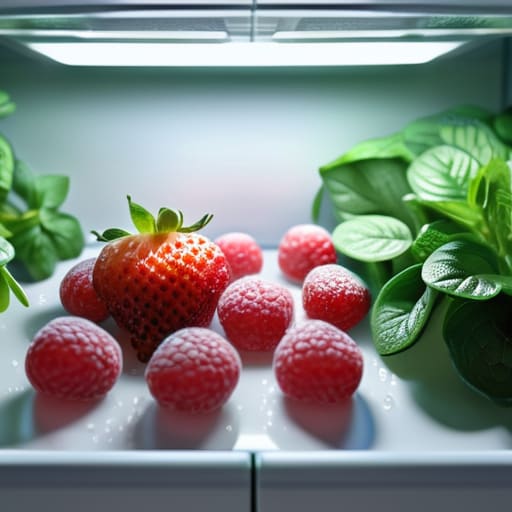
I used to be the person who would buy a massive bag of spinach, feel incredibly productive, and then watch it turn into green sludge in my crisper drawer by Wednesday. It’s frustrating, especially when you’re trying to stick to a budget. One of the easiest ways to stop this cycle is to stop treating your fridge like a junk drawer. A few simple refrigerator organization tips—like keeping your most perishable items at eye level—can make a huge difference. If you can see the berries before they get fuzzy, you’re actually going to eat them.
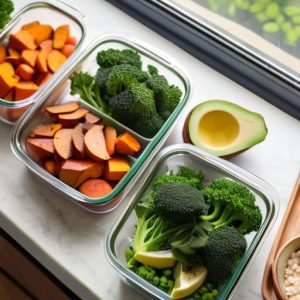
Another thing that changed the game for me was leaning into the airtight container benefits. I know, it’s an extra step to wash a Tupperware or transfer leftovers, but it’s much better than letting everything sit in half-open bags. It keeps the air out and the freshness in. For the stuff you aren’t planning to eat this week, don’t be afraid to move it to the freezer. Learning some basic freezer burn prevention—like squeezing all the air out of those bags—means your meal prep actually tastes like real food when you defrost it on a hectic Thursday night.
Mastering the Shelf Life of Common Groceries
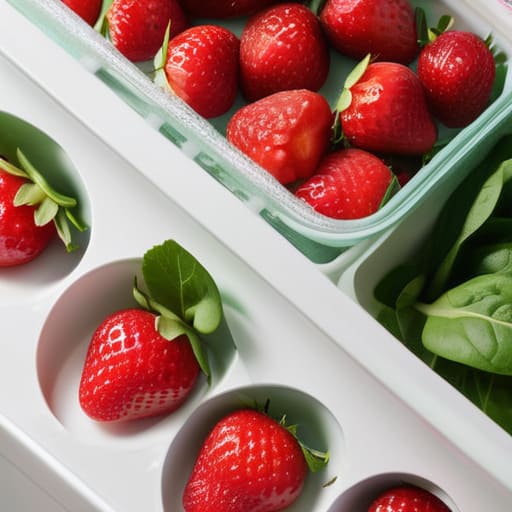
Let’s get real about the stuff we actually buy every week. I used to be the person who’d toss a bag of spinach into the crisper drawer and completely forget about it until it turned into a dark, liquid mess by Wednesday. Now, I try to treat my fridge a bit more like a system. For things like berries or leafy greens, the secret isn’t a fancy gadget; it’s just about managing moisture. If you want to extend the shelf life of common groceries, try lining your containers with a paper towel to soak up that excess humidity. It’s a tiny, five-second step that saves me from throwing away twenty bucks worth of produce every single weekend.
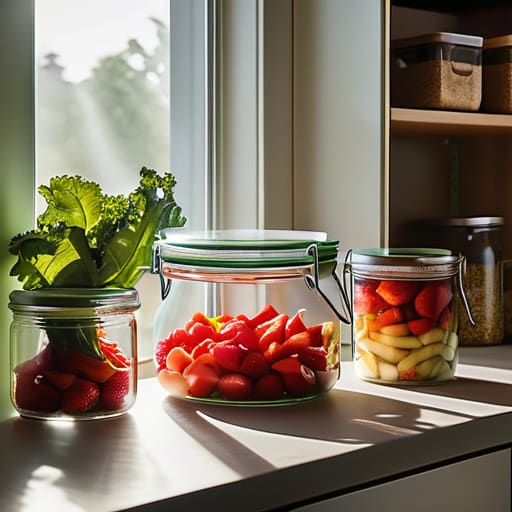
When it comes to the dry stuff, I’ve realized that the original packaging is usually the enemy. Cardboard boxes and flimsy plastic bags are basically invitations for pests or stale air. I’ve moved most of my grains, pasta, and snacks into glass jars because the airtight container benefits are just too good to ignore. It makes my pantry look intentional rather than chaotic, and more importantly, it keeps everything fresh enough to actually enjoy. If you’re prepping for a long week, don’t be afraid to move leftovers into the freezer immediately; a little bit of proper wrapping goes a long way in avoiding that dreaded freezer burn.
5 Low-Effort Hacks to Keep Your Fridge From Becoming a Graveyard
- Stop treating your crisper drawer like a black hole; group your greens together and check them once a week so you actually see what’s dying.
- Invest in a handful of decent airtight containers—not because you’re a meal prep influencer, but because leftovers shouldn’t taste like “fridge air” by Wednesday.
- Keep your berries in a shallow container with a paper towel tucked underneath to soak up moisture; it’s a tiny step that buys you a few extra days of life.
- Don’t be afraid to use your freezer for more than just ice cubes; if you realize you aren’t going to eat that bread or half-bag of spinach by tomorrow, toss it in now.
- Learn the “first in, first out” rule without being intense about it—just move the older yogurt to the front of the shelf so you don’t accidentally buy a third one.
The Quick Cheat Sheet for Your Kitchen
Don’t aim for a Pinterest-perfect pantry; just focus on getting your leftovers into airtight containers so they actually survive until Thursday.
Treat your fridge like a workspace—keep the stuff you use daily front and center so you don’t forget it’s there until it turns into a science project.
Small, repetitive checks are better than a massive Sunday meal prep; just spend five minutes glancing at your produce once a week to catch things before they go bad.
The Tuesday Takeaway
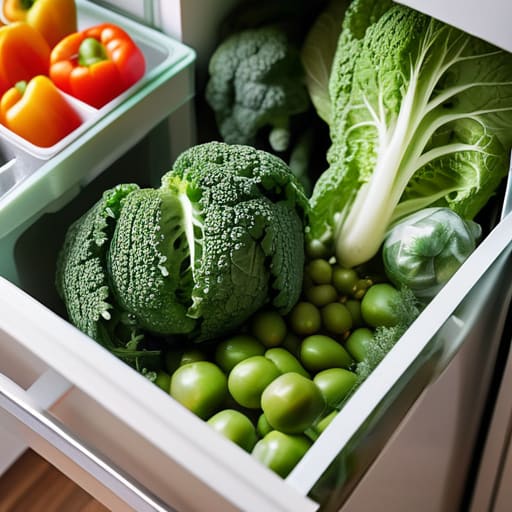
Look, I’m not asking you to turn your kitchen into a sterile, professional laboratory or follow a rigid meal-prepping schedule that feels like a second job. It’s really just about the small stuff: grabbing those airtight containers, knowing which greens need a little moisture, and actually using the crisper drawer instead of letting it become a graveyard for forgotten produce. If you can master these few tiny adjustments to how you handle your groceries, you’ll stop seeing money literally rot in your fridge every single week. It’s about making your system work for you, rather than you working for the system.
At the end of the day, food storage isn’t about perfection; it’s about reducing the mental load of a busy week. When you know your leftovers are actually going to be good for lunch on Thursday, you’ve already won a small battle against the chaos of daily life. Don’t sweat it if you miss a step or forget a container here and there. Just aim to be slightly more intentional than you were last week. Focus on the small, repeatable wins, and I promise you’ll find that handling the messy parts of life gets a whole lot easier.