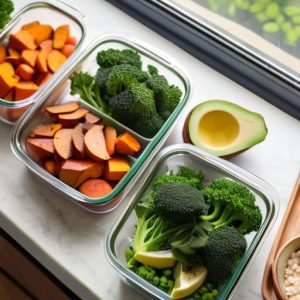
End the ‘what’s for Dinner’ Struggle With Better Meal Planning
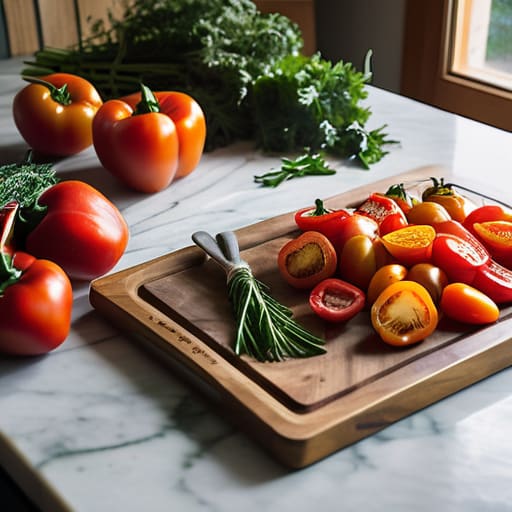
I’ve spent way too many Tuesday nights staring into the hollow, judgmental void of my fridge, wondering if a bowl of cereal counts as a personality trait. We’ve all seen those “aesthetic” meal prep videos—the ones where someone spends six hours on a Sunday vacuum-sealing colorful quinoa bowls into identical glass containers like they’re preparing for a lunar colony. Honestly? That’s not a lifestyle; it’s a second job. Most advice on how to meal plan assumes you have the bandwidth of a professional chef and a pantry that looks like a curated Pinterest board, but real life is usually much messier than that.
I’m not here to sell you on a total kitchen overhaul or a complex spreadsheet that requires a degree to navigate. Instead, I want to show you how to build a system that actually survives a chaotic work week. We’re going to focus on the small, repeatable wins—like picking three reliable dinners and mastering a single grocery list—so you can stop making decisions when you’re already exhausted. This is about finding order in the chaos, one manageable meal at a time.
Low Stakes Meal Prep for Beginners
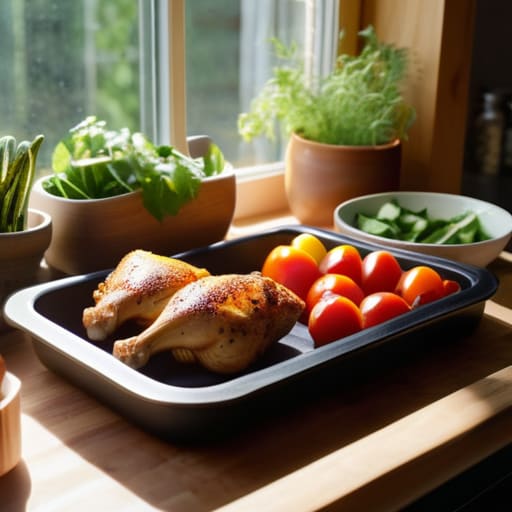
Look, I used to think meal prepping meant spending my entire Sunday afternoon in a kitchen-induced trance, surrounded by twenty identical Tupperware containers of steamed broccoli. It was exhausting, and honestly, I hated it. If you’re just starting out, please don’t do that to yourself. Instead, try a “component-based” approach. This is one of my favorite batch cooking strategies because it keeps things flexible. Instead of making full meals, just prep a few versatile building blocks: roast a tray of seasoned chicken, boil a pot of quinoa, and chop some fresh veggies.
When you have these elements ready, you aren’t just eating leftovers; you’re assembling quick, custom bowls throughout the week. This makes meal prep for beginners feel less like a chore and more like a shortcut. On a busy Wednesday when my brain is fried from back-to-back Zoom calls, I can throw those components together with some hot sauce or avocado in under five minutes. It’s about reducing the number of decisions you have to make when you’re tired. The goal isn’t perfection; it’s just making sure you have something actually edible waiting for you when the day gets messy.
Budget Friendly Meal Planning That Actually Works
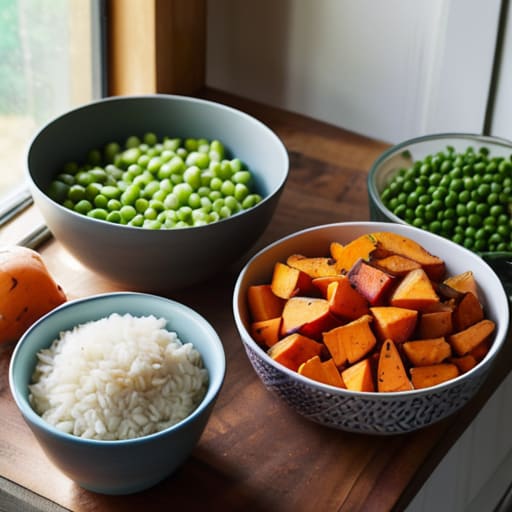
Look, I get it. The idea of “budget-friendly meal planning” often conjures up images of bland lentils and unseasoned rice eaten out of Tupperware. But if you’re trying to save money without losing your mind (or your taste buds), the secret isn’t buying expensive “superfoods”—it’s about being strategic with what’s already on sale. I’ve found that my grocery bills drop significantly when I stop shopping for specific recipes and start shopping for versatile staples. Think bags of rice, frozen veggies, and a few proteins that can be repurposed in different ways throughout the week.
The real game-changer for me was mastering grocery list organization. Instead of wandering the aisles aimlessly, I group my list by section. It sounds small, but it stops those expensive, impulsive “oh, I need this too” grabs that kill your budget. I also swear by batch cooking strategies that don’t feel like a second job. You don’t need to spend six hours on a Sunday; just cook a double portion of grains or roasted veggies while you’re already making dinner. It’s about building a toolkit of ingredients rather than a rigid, expensive menu.
Five ways to keep your sanity (and your dinner) on track
- Shop your own pantry before you hit the store. I used to buy a new jar of cumin every week only to realize I had three hiding in the back of the cupboard. Check what you already have so you aren’t wasting money on duplicates.
- Build a “formula” instead of unique recipes. You don’t need a new culinary masterpiece every night. Just pick a base—like grains, greens, or protein—and rotate the flavors. Grain bowl on Monday, taco night on Wednesday, stir-fry on Friday. It takes the decision fatigue out of the equation.
- Embrace the “Cook Once, Eat Twice” rule. If you’re already boiling rice or roasting a tray of veggies, make double. That extra scoop of rice becomes the base for your lunch the next day, saving you from that mid-afternoon slump where you just want to grab whatever is easiest.
- Keep a “Emergency Meal” list in your notebook. We all have those nights where the project deadline shifts or the energy just isn’t there. Have three go-to meals that require zero brainpower—like breakfast for dinner or a really good frozen pizza—so you don’t end up spending $40 on takeout.
- Don’t aim for perfection, aim for coverage. You don’t need to plan all twenty-one meals in a week. Just try to map out your dinners. Once the biggest question mark of the day is answered, the rest of the week feels a lot less chaotic.
The TL;DR of Keeping It Simple
Stop trying to prep every single meal for the week; just aim to have three or four “anchor meals” ready so you aren’t making decisions when you’re tired.
Focus on versatility over variety—ingredients like roasted veggies or a batch of grains can be repurposed into different dishes so you don’t get bored.
Keep your plan flexible enough to handle life’s inevitable chaos; if a Tuesday gets messy, it’s okay to swap a planned meal for something easy rather than throwing the whole week away.
The Tuesday Survival Kit
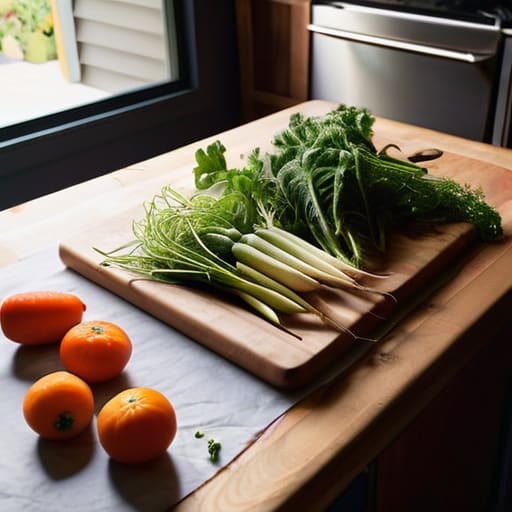
At the end of the day, meal planning isn’t about achieving some aesthetic, color-coded fridge perfection you saw on a lifestyle vlog. It’s really just about lowering the barrier to entry for your future self. Whether you’re leaning into low-stakes prep by just chopping some veggies on a Sunday, or keeping things tight with a budget-friendly grocery list, the goal is the same: reducing the mental load. You don’t need a master plan for the entire month; you just need a functional strategy to get through the next few days without the stress of a last-minute takeout order or a sad, empty pantry.
If you miss a week or end up ordering pizza three nights in a row, don’t sweat it. Life is messy, and sometimes the best plan is no plan at all. The trick is to treat these little systems as tools, not rules. Think of meal planning as a way to reclaim a little bit of headspace during a chaotic week rather than another chore on your to-do list. Start small, stay flexible, and remember that progress beats perfection every single time. You’ve got this—one Tuesday at a time.