Pro Techniques for Faster, Safer Vegetable Prep
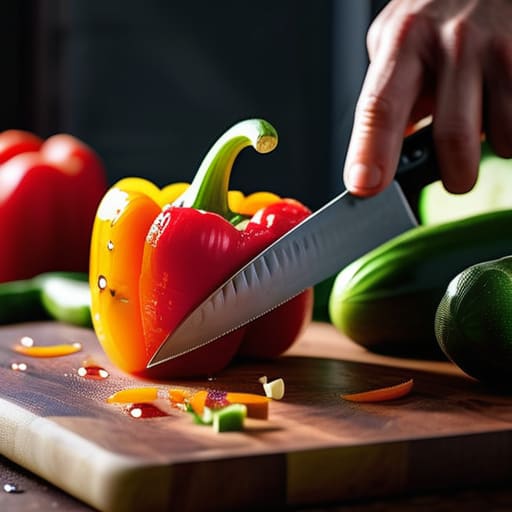
Ever notice how every “wellness influencer” makes it look like you need a professional-grade mandoline and three hours of meditative silence just to get dinner on the table? Honestly, it’s exhausting. I used to think that learning how to prep vegetables meant transforming my tiny kitchen into a high-end culinary studio, but all that did was leave me staring at a pile of unwashed kale at 8:00 PM on a Tuesday, feeling completely defeated. We don’t need more aesthetic, over-complicated tutorials; we just need a way to make the process actually work when our brains are fried from a day of back-to-back Zoom calls.
I’m not here to sell you on some life-changing, gourmet lifestyle. Instead, I want to share the low-stakes, functional systems I’ve built to keep my meals from feeling like a mountain I can’t climb. I’ll show you how to hack your prep time so you can focus on the eating part, rather than the endless chopping. This is about small, repeatable wins that make your week feel a little more organized and a lot less chaotic. Let’s get into it.
Mastering Knife Skills for Cooking on Autopilot
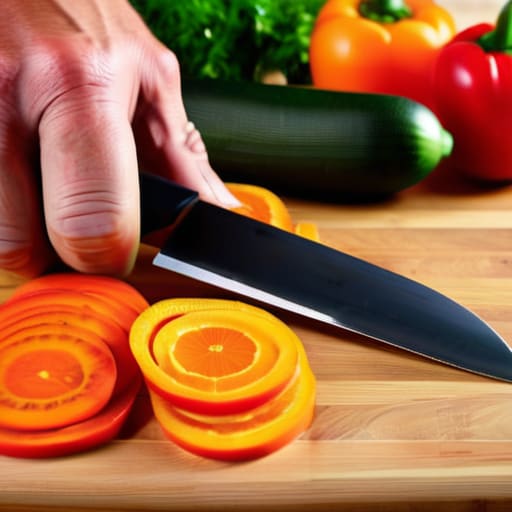
Look, I used to approach chopping like I was playing a high-stakes game of Operation. One wrong move and I’m either nursing a band-aid or staring at a pile of unevenly sliced carrots that cook at completely different speeds. If you want to actually enjoy your time in the kitchen, you have to get comfortable with basic knife skills for cooking. It isn’t about being a professional chef; it’s about muscle memory. When your cuts are consistent, your food cooks evenly, and more importantly, you stop overthinking every single slice.
I started practicing by just focusing on the “claw grip”—tucking my fingertips in so the blade slides against my knuckles instead of my skin. It feels weird for the first ten minutes, but once it clicks, you’re basically on autopilot. This is a massive part of meal prep for beginners because the less mental energy you spend worrying about your fingers, the more you can focus on the rhythm of the task. Think of it like restoring one of my old mechanical keyboards: it’s all about the precision of the individual components. Once you master the steady rhythm of the blade, prepping a week’s worth of food stops feeling like a chore and starts feeling like a meditative reset.
How to Wash Vegetables Properly Every Single Time
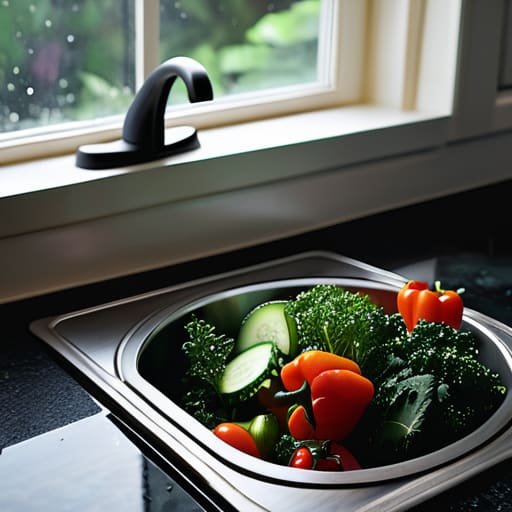
Look, I get it. Washing produce feels like one of those chores that’s easy to skip when you’re in a rush, but it’s actually the foundation of everything else. If you’re just starting with meal prep for beginners, the temptation is to grab everything from the bag and throw it straight into the pan. Don’t do that. I’ve learned the hard way that skipping this step is a fast track to a gritty salad or, worse, food that spoils way too quickly. I usually set up a dedicated station by my sink with a large colander—it’s one of those basic kitchen tools for veggie prep that makes the whole process feel less like a slog and more like a ritual.
The trick is to treat different textures differently. For leafy greens like spinach or kale, I like to submerge them in a big bowl of cold water and let them swirl around; it lets the grit sink to the bottom so you aren’t eating sand. For firmer stuff like carrots or bell peppers, a quick rinse under running water is plenty. The most important thing to remember, though, is to dry them thoroughly before they hit your storage containers. If you pack them away while they’re still damp, you’re basically inviting mold to the party. Taking that extra minute to pat them dry is the secret to keeping vegetables fresh longer throughout the week.
Five Ways to Make Prep Feel Less Like a Chore
- Group your veggies by “lifespan.” Don’t chop everything at once; keep the hardy stuff like carrots and peppers in one container for the week, and save the delicate greens or herbs for a quick chop right before you eat so they don’t turn into sad, slimy leftovers.
- Invest in a decent cutting board that doesn’t slide around. I used to struggle with a tiny, flimsy board, but getting a large, heavy wooden one changed the game—it makes the whole process feel more intentional and way less stressful.
- Use the “one-container” rule for stir-fries or sheet pan meals. Instead of having five different bowls cluttering your counter, prep all your aromatics and veggies into one single container so you can just dump them into the pan and go.
- Keep a “scrap bin” on your counter while you work. It sounds extra, but having a small bowl specifically for onion skins, carrot tops, and ends saves you from making ten trips to the trash can and keeps your workspace feeling clean and organized.
- Don’t aim for perfection; aim for “good enough.” If you’re having a rough Tuesday, don’t stress about perfectly uniform cubes. Just get them chopped roughly so you can actually cook them. The goal is to eat, not to win a Michelin star.
The Bottom Line for Your Week
Don’t aim for perfection; just aim to get the heavy lifting done early so you aren’t staring at a pile of unwashed carrots at 7 PM on a Wednesday.
Invest a little time in your knife skills now—it’s a small upfront cost that pays off in saved time and much less frustration every single night.
Keep it simple and modular; prep what you actually eat, not what a fancy recipe tells you to, to avoid wasting food and money.
Making It Stick
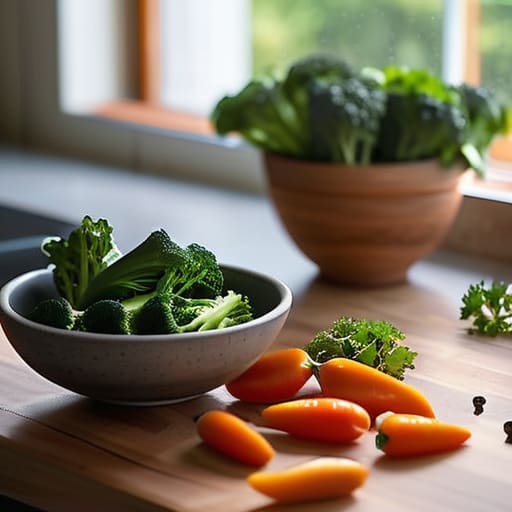
At the end of the day, prepping your veggies isn’t about becoming a Michelin-star chef or spending your entire Sunday in a kitchen trance. It’s really just about the basics: keeping your knives sharp so you aren’t fighting your food, and making sure everything is washed and ready to go so you aren’t scrambling when the hunger hits. When you nail these small, repetitive steps, you’re essentially removing the friction from your evening routine. You’re setting yourself up so that when Tuesday rolls around and you’re feeling completely drained, you don’t have to decide between a sad bowl of cereal or a mountain of prep work. You already did the heavy lifting.
I know it can feel like just another chore on an already overflowing to-do list, but try to look at it differently. Think of it as a gift to your future self. There is a specific kind of quiet satisfaction in opening a fridge and seeing organized, colorful containers waiting for you. It’s a small way to reclaim control when everything else feels a bit chaotic. You don’t need to overhaul your entire diet or buy every gadget on the market; just start with one batch of chopped carrots or onions. Find your rhythm, keep it simple, and remember that small wins are what actually keep us moving forward.