Tiny Mental Health Habits That Make a Massive Difference

I was sitting at my desk last Thursday, surrounded by three half-empty coffee mugs and a stack of project briefs that felt like they were actively judging me, when I realized I’d completely lost the plot. I had spent the last hour scrolling through aesthetic “wellness” videos, feeling guilty because my version of mental health self care didn’t involve lighting expensive sandalwood candles or spending a fortune on a weekend silent retreat. Honestly, the way the internet sells wellness—as this massive, expensive, aesthetic overhaul—is exhausting. It makes you feel like if you aren’t living in a perfectly curated, sun-drenched sanctuary, you’re somehow failing at being a person.
I’m not here to sell you a lifestyle or tell you to meditate for two hours every morning. I just want to talk about the small, gritty stuff that actually keeps your head above water when your schedule turns into a disaster. In this post, I’m sharing the low-effort, no-nonsense habits I use to stay sane when life gets loud. We’re going to focus on realistic ways to manage your mental health that actually fit into a messy, busy Tuesday—without needing a complete life redesign.
Daily Mindfulness Practices for the Mid Week Slump

When Wednesday hits and that mid-week fog starts rolling in, I usually find myself staring at my screen, wondering where my motivation went. Instead of trying to power through the brain fog with another double espresso, I’ve started leaning into small daily mindfulness practices that don’t feel like a chore. One thing that actually works for me is the “five-minute reset.” I step away from my desk, grab my physical notebook, and just write down three things that aren’t currently stressing me out. It sounds incredibly basic, but it’s one of those simple stress management strategies that pulls me out of my head and back into the room before I spiral.
Another thing I’ve realized is that mindfulness doesn’t have to mean sitting on a cushion for twenty minutes in total silence. For someone like me, who thrives on tactile stuff, it’s more about sensory grounding. When I’m feeling particularly frayed, I’ll focus entirely on the sensation of my mechanical keyboard—the specific click of the switches or the texture of the keycaps. It sounds weird, but focusing on that rhythmic, repetitive motion acts as a mini-meditation. It’s a way of practicing emotional regulation techniques in real-time, right in the middle of a chaotic workday, without needing to schedule a formal “wellness hour.”
Small Wins for Improving Psychological Well Being
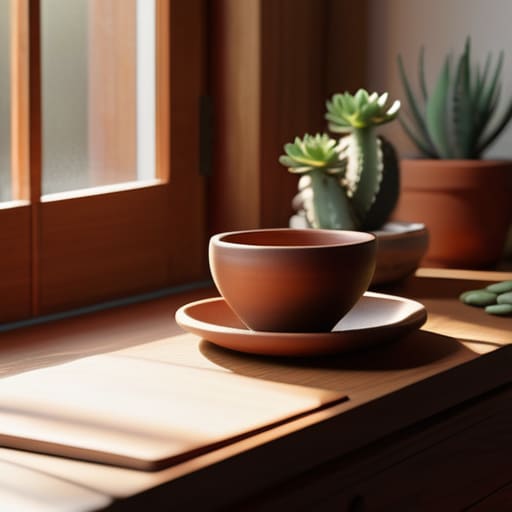
I’ve always been a fan of the “low stakes” approach. When everything feels like it’s spiraling, trying to tackle a massive wellness overhaul feels more like a chore than a relief. Instead, I look for the tiny, almost invisible victories. For me, that usually means leaning into simple stress management strategies that don’t require a yoga mat or an hour of silence. Sometimes, it’s just the act of clearing my physical desk or finally organizing that one chaotic drawer in my kitchen. It sounds trivial, but there’s a weird, grounding magic in seeing a small pocket of order in a messy room. It’s a way of telling my brain, “Hey, we actually have a handle on things.”
Beyond the physical space, I try to focus on what I call “micro-wins” for my internal state. This isn’t about deep meditation; it’s about basic improving psychological well-being through small, intentional shifts. If I feel a spike of tension during a client call, I won’t try to “fix” my anxiety—I’ll just take one intentional breath or grab a glass of water. It’s about finding those little moments of agency. These aren’t grand gestures, but they are effective burnout prevention tips that keep me from hitting a wall by Thursday afternoon. We aren’t looking for perfection here; we’re just looking for a little bit of breathing room.
Low-Stakes Ways to Quiet the Noise
- Audit your digital space. I used to think I needed a “digital detox,” which sounds exhausting and impossible. Instead, I just mute the group chats that drain me and unfollow accounts that make me feel like I’m failing at life. It’s not about disappearing; it’s about curation.
- Use the “Five-Minute Reset.” When my brain feels like it has fifty tabs open, I stop everything and just do one analog thing for five minutes—like cleaning my keyboard or writing a single to-do list in my notebook. It grounds me back in the physical world.
- Stop treating rest like a reward. You don’t need to “earn” a break by being productive first. If you’re hitting a wall at 2:00 PM, take the break. Treating rest as a prerequisite rather than a prize changes your whole relationship with burnout.
- Change your sensory input. If you’ve been staring at a glowing screen in a silent room for four hours, your nervous system is probably screaming. Switch it up: put on some lo-fi beats, open a window for actual fresh air, or even just change the lighting. Small shifts, big impact.
- Embrace the “Good Enough” standard. Some days, self-care is a ten-step skincare routine; other days, it’s just remembering to drink a glass of water and not beating yourself up for being tired. Let the “good enough” version of yourself be enough for today.
The Bottom Line: Making It Manageable
Stop aiming for a total lifestyle overhaul; focus on one small, repeatable habit that actually fits into your current chaos.
Use “micro-wins” to build momentum—sometimes just clearing your desk or finishing one tiny task is enough to shift your headspace.
Be kind to yourself when things get messy, because mental wellness isn’t about being perfect, it’s just about finding a better way to handle the Tuesday slump.
Finding Your Rhythm

Look, I know it feels overwhelming when you look at the whole mountain of “self-care” out there. Between the massive lifestyle shifts people preach and the endless scrolling, it’s easy to feel like you’re failing if you aren’t meditating for an hour every morning. But we’ve talked about how it’s actually the tiny, almost invisible shifts that count. Whether it’s that quick mindfulness check-in during your mid-week slump or just checking one small task off your list to get a bit of momentum, these aren’t just distractions. They are the building blocks of a sustainable routine that actually fits into a messy, real-world schedule.
At the end of the day, don’t aim for a perfect life; just aim for a slightly better Tuesday. If you miss a day or fall back into old habits, don’t scrap the whole plan. Just pick up your notebook, reset, and try again tomorrow. Mental health isn’t a destination you reach and then stay at forever; it’s more like maintaining one of my vintage keyboards—it requires a little bit of regular, consistent attention to keep things running smoothly. You don’t need to overhaul everything to feel better. Just start small, stay kind to yourself, and keep moving.