Practical Ways to Minimize Food Waste at Home
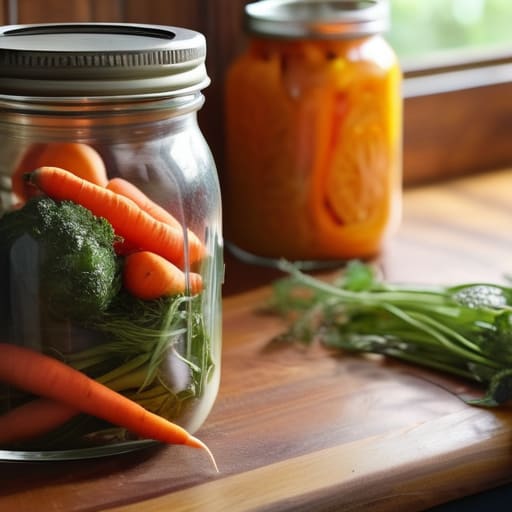
I was staring at a bag of slimy, forgotten spinach in the bottom drawer of my fridge last Tuesday, and honestly, I just felt defeated. It’s that specific, heavy kind of guilt—the kind that hits when you realize you’ve basically just thrown money directly into the trash. Most “experts” online make it sound like you need a high-tech composting system or a complete lifestyle overhaul to make a difference, but let’s be real: most of us are just trying to survive a busy work week without our produce turning into a science experiment. I spent way too much time overcomplicating how to reduce food waste until I realized that the solution isn’t about being a perfect minimalist; it’s just about better systems for messy lives.
I’m not here to sell you on a radical kitchen revolution or some expensive zero-waste starter kit. Instead, I want to share the small, low-effort tweaks that actually stuck when I stopped trying to be perfect and started being practical. We’re going to look at a few realistic habits—the kind you can actually maintain even when your schedule is blowing up—to help you manage your fridge without losing your mind.
Sustainable Grocery Shopping Habits for Busy People
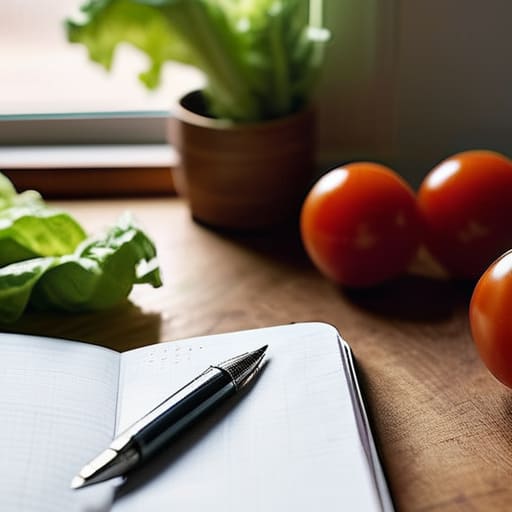
The real battle against waste doesn’t start in your kitchen; it starts in the grocery store aisles. When I’m rushing through the supermarket after a long day of project calls, it’s way too easy to grab “just one more” bag of spinach because it looks good, only to watch it turn into green sludge by Thursday. I’ve learned that the best way to avoid this is through meal planning for zero waste. Instead of shopping by impulse, I grab my little pocket notebook and write down exactly what I need for the next few days. It sounds tedious, but it keeps me from buying duplicates and helps me stay intentional about what actually belongs in my fridge.
Another thing that changed the game for me was getting more comfortable with understanding expiration dates. I used to treat “Best By” dates like absolute laws, tossing everything out the second the calendar flipped. Now, I realize those are mostly just quality suggestions from the manufacturer. A quick sniff test or a look at the texture is usually more reliable than a printed date. If you can master the art of buying only what you can actually consume within a week, you’re already doing more than most to keep your household footprint small without needing to become a full-time sustainability expert.
Meal Planning for Zero Waste Without the Stress
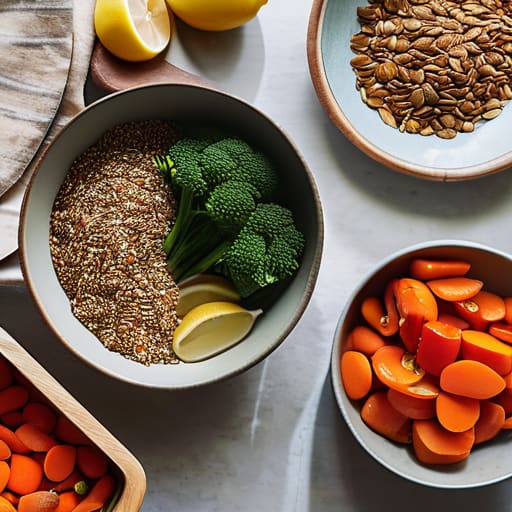
I used to treat meal planning like a high-stakes project management task—if I didn’t have a color-coded spreadsheet for every single meal, I felt like I’d already failed. But that’s a fast track to burnout, and honestly, it’s not realistic when you’re juggling a freelance schedule. Instead of trying to map out every Tuesday for the next month, I’ve shifted toward a more flexible approach to meal planning for zero waste. I focus on “component cooking” rather than rigid recipes. I’ll prep a big batch of grains or roast a tray of veggies, and then I just see how they can evolve throughout the week. It keeps things interesting without the pressure of a perfect plan.
The real secret to making this stick is actually understanding expiration dates a bit better. There’s a massive difference between “use by” and “best before,” and once I realized that most things aren’t actually spoiled the second that date hits, my trash bin got a lot lighter. I also started keeping a “use me first” bin in the fridge for those slightly wilted greens or half-used jars. It’s a tiny bit of food storage organization tips applied in real-time, ensuring that the stuff most likely to go bad is always the first thing I grab when I’m hungry.
The "Low-Stakes" Guide to Not Letting Your Groceries Die in the Crisper Drawer
- Master the “Eat Me First” bin. Grab a small plastic container or even just a designated corner of your fridge and put anything that’s nearing its expiration date in there. It takes the guesswork out of “what’s for dinner” and saves that half-used jar of pesto from becoming a science project.
- Get cozy with your freezer. Honestly, the freezer is my best friend when my schedule gets chaotic. If you see spinach starting to wilt or a bit of leftover pasta that won’t be eaten by tomorrow, toss it in. You can freeze almost anything—bread, herbs in olive oil, even fruit for smoothies—to buy yourself some time.
- Learn the “Scrap Strategy.” Before you toss those onion skins, carrot peels, or celery ends, throw them into a bag in your freezer. Once you have a decent amount, simmer them in water for a quick, free veggie broth. It feels like a tiny win for your wallet and your kitchen.
- Stop treating your fridge like a museum. We’ve all done it—buying a beautiful head of lettuce and then just letting it sit there looking pretty until it turns into liquid. Try to shop for “use-it-now” items like berries or leafy greens, and save the hardier stuff like apples or cabbage for later in the week.
- Embrace the “Kitchen Sink” meal. You don’t need a recipe for every single meal. On those nights when you’re tired and looking at random ingredients, just make a stir-fry, a grain bowl, or a frittata. Most of these are basically “everything but the kitchen sink” meals that turn random leftovers into something actually delicious.
The Low-Stakes Summary
Don’t aim for a “zero-waste” lifestyle overnight; just focus on small wins, like checking your pantry before you hit the store or actually using that bag of spinach before it turns into green sludge.
Treat your fridge like a living system—shop with intention, eat what you buy, and try to plan meals around what’s already there rather than starting from scratch every single time.
Forgive yourself when things get messy. If you end up tossing a wilted bunch of cilantro, don’t scrap the whole mission; just reset and try a slightly better approach next Tuesday.
The Tuesday Approach to a Greener Kitchen
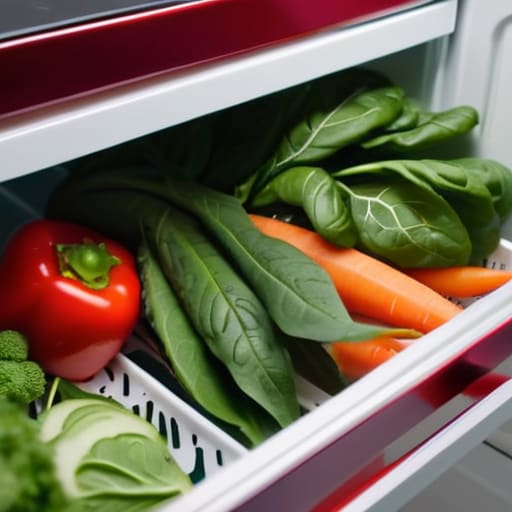
Look, I know it feels like a lot. Between trying to nail a grocery list that actually makes sense and figuring out how to use that wilted spinach before it turns into a science experiment, it’s easy to feel overwhelmed. But if you take away everything else we talked about, just remember that it’s about the small wins: checking your fridge before you shop, planning for real life instead of a Pinterest fantasy, and actually using what you buy. You don’t need to be a zero-waste guru by tomorrow morning; you just need to stop letting good food go to die in the back of your crisper drawer.
At the end of the day, this isn’t about achieving some impossible standard of perfection. It’s about making your life—and your Tuesday—just a little bit more intentional. When we manage our food better, we aren’t just saving money or helping the planet; we’re creating a sense of rhythm and order in the middle of the chaos. So, grab your notebook, take a quick look at what’s actually in your pantry, and start there. You’ve got this, one small habit at a time.