A Beginner’s Guide to Cooking Fish Without the Stress or Smell
I used to think that knowing how to cook fish required a culinary degree, a high-end sous vide machine, and a terrifying amount of confidence I just didn’t possess. Every time I scrolled through recipe blogs, I was met with these incredibly intimidating, ten-step processes involving specialized tools and exotic ingredients that made a simple Tuesday night dinner feel like a high-stakes exam. Honestly, the sheer amount of gatekeeping around how to cook fish is exhausting; it turns what should be a quick, healthy win into a stressful chore that usually ends with me ordering takeout instead.
I’m not here to teach you how to be a Michelin-star chef or how to master complex French techniques. My goal is much more practical: I want to give you a few reliable, low-effort methods that actually work when you’re tired and your kitchen is a mess. We’re going to focus on the small, repeatable wins—like mastering a basic pan-sear—so you can stop overthinking it and start enjoying a solid meal. Let’s strip away the hype and just focus on getting it right without the drama.
Finding the Best Fish for Beginners Without the Stress
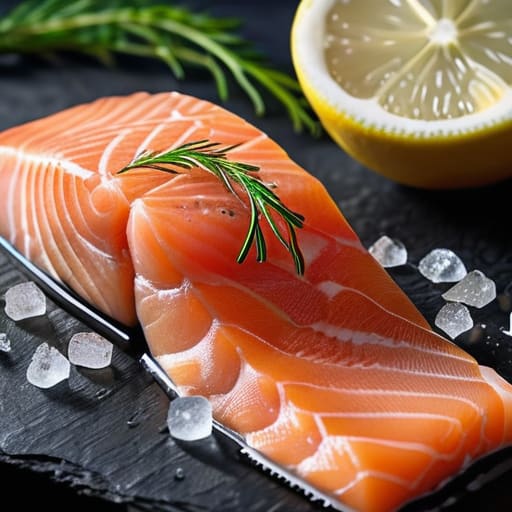
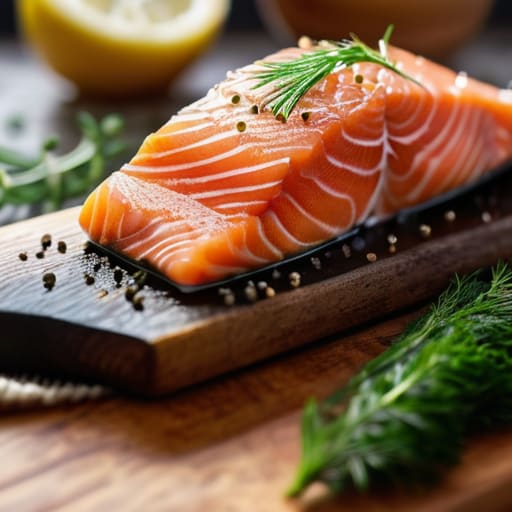
Honestly, walking into a seafood counter for the first time feels a bit like being a freshman on campus—you’re just staring at everything, hoping you don’t pick the wrong thing. If you’re feeling overwhelmed, my best advice is to lean on the classics. When I’m looking for the best fish for beginners, I usually go for something “forgiving,” like salmon or cod. These are much more chill to work with because they don’t turn into a texture nightmare if you accidentally leave them on the heat for an extra minute.
Don’t let the “freshness” debate stress you out, either. I used to think I had to find a boutique fisherman every single time, but I’ve realized that fresh vs frozen fish tips are actually pretty straightforward: frozen fillets are often flash-frozen right at the source, meaning they can actually be more consistent for a Tuesday night meal. Just make sure you thaw them completely in the fridge before you even think about touching a pan. Once you’ve got a reliable fillet in hand, the rest is just about keeping things simple and not overthinking the process.
Fresh vs Frozen Fish Tips for Real Life
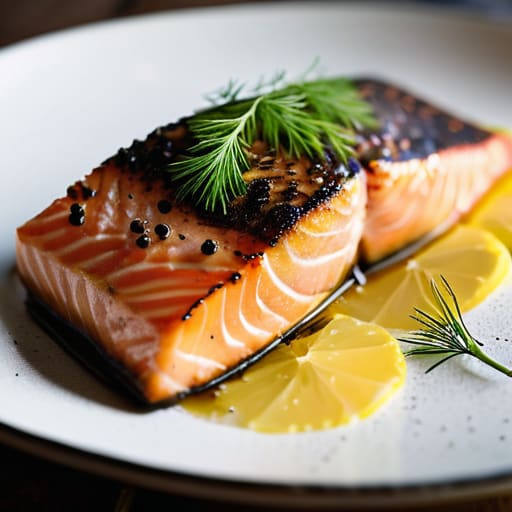
Look, I get it. Walking into a seafood counter can feel like a high-stakes test you didn’t study for. There’s this unspoken pressure that if you aren’t buying something that was swimming an hour ago, you’re somehow failing. But here’s a little secret from my own kitchen: frozen is often your best friend. When you’re navigating a chaotic Tuesday, grabbing a high-quality frozen fillet is a total game-changer. It’s consistent, it’s already portioned, and most importantly, it’s way more affordable than the fresh stuff.
The real trick to making frozen work is all in the prep. Don’t just toss a block of ice into a hot pan; let it thaw slowly in the fridge overnight. This prevents that weird, mushy texture that ruins a good meal. If you’re looking for fresh vs frozen fish tips that actually matter, focus on the moisture. Once it’s thawed, pat it bone-dry with a paper towel. This is the single most effective way to ensure you’re preventing fish from sticking to the pan and actually getting that golden, crispy crust we’re all after. It’s not about being a gourmet chef; it’s just about managing the physics of the pan so you can actually enjoy your dinner.
Five Low-Stakes Moves for a Better Pan-Sear
- Pat that fish bone-dry with a paper towel before it touches the heat. If it’s damp, it’s going to steam instead of sear, and nobody wants a mushy, grey piece of salmon.
- Don’t be afraid of a little salt and pepper early on. Seasoning isn’t a “finishing touch”—it’s the foundation. Get it in there right before it hits the pan so the flavor actually penetrates the flesh.
- Stop poking it. I know it’s tempting to flip the fillet every thirty seconds to check on it, but just let it sit. If you try to flip it and it sticks, it’s not ready yet. Wait for it to naturally release from the pan.
- Keep the heat medium-high, not screaming hot. You want a nice golden crust, but if you crank the stove to max, you’ll end up with a burnt exterior and a raw, cold center. It’s a balancing act, not a sprint.
- Use a meat thermometer if you’re feeling anxious. Look, I love my analog notebook, but sometimes you just need the data. Pull the fish when it hits about 145°F (63°C) and let it rest for a minute. It takes the guesswork out of the whole process.
The Low-Stress Fish Cheat Sheet
Don’t feel pressured to hunt down the “freshest” catch at a high-end market; a high-quality frozen fillet is often more consistent and way easier to keep on hand for those random Tuesday nights.
Stick to forgiving, fatty fish like salmon or mackerel when you’re starting out—they’re much harder to overcook and way more forgiving if you lose track of time for a second.
Focus on one reliable method, like a simple pan-sear, rather than trying to master five different techniques at once; one solid win is better than a kitchen disaster.
The Bottom Line (Literally)
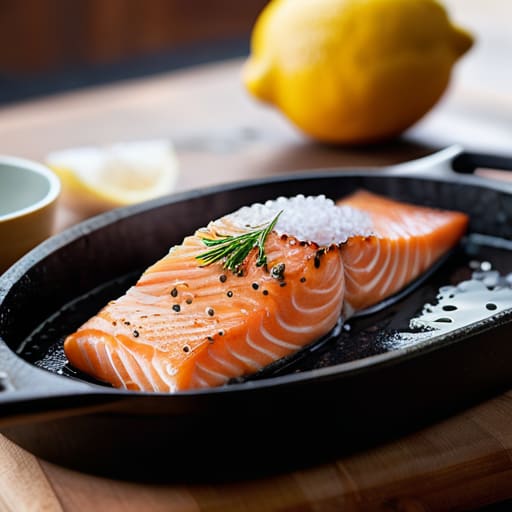
At the end of the day, cooking fish doesn’t need to be this intimidating ritual involving expensive market trips and professional-grade equipment. Just remember that it really comes down to two things: picking something you actually like and not overthinking the prep. Whether you’re grabbing a high-quality frozen fillet because your Tuesday is already chaotic, or you’re hunting down the freshest catch at the local counter, the goal is the same. Focus on getting the temperature right, keep your seasoning simple and intentional, and don’t be afraid to make a little mess in the kitchen. Once you realize that good fish is about consistency, not complexity, you’ll stop seeing it as a chore and start seeing it as a quick win.
I know that when life feels like it’s moving at a hundred miles an hour, even deciding what to eat can feel like a heavy lift. But there is something genuinely grounding about mastering a single, reliable skill like a perfect pan-sear. It’s one of those small, repeatable habits that makes you feel like you actually have a handle on things. Don’t worry about being a gourmet chef by next week; just aim to handle your dinner a little better than you did last time. You’ve got this, one delicious, slightly imperfect meal at a time.