Ditch the Delivery: How to Bake Better Pizza at Home

I used to think that learning how to make homemade pizza required a stone-fired oven, a 48-hour fermentation process, and a level of patience I simply didn’t possess on a random Tuesday. I’d stare at these overly complicated recipe blogs—the ones with the professional lighting and the “secret” sourdough starters—and just end up ordering takeout instead. The truth is, you don’t need a culinary degree or a kitchen full of specialized gear to get a decent crust; you just need to stop overthinking it and embrace the mess.
I’m not here to teach you how to become a Michelin-star pizzaiolo in your cramped apartment. Instead, I want to show you a realistic, low-stress way to handle dinner when your brain is fried from freelance deadlines. I’m going to walk you through my personal, no-nonsense method for how to make homemade pizza using basic ingredients you actually have in your pantry right now. We’re focusing on small, repeatable wins that result in a warm, cheesy reward without the existential dread of a failed dough.
Recipe Details
Ingredients
- 2 cups all-purpose flour
- 1 teaspoon active dry yeast
- 3/4 cup warm water
- 1 teaspoon salt
- 1/2 cup tomato sauce
- 1.5 cups shredded mozzarella cheese
- 1/4 cup fresh basil leaves
Recipe Instructions
Step 1
First, we need to tackle the dough. Don’t go out and buy a fancy, high-end flour unless you’re feeling extra; just grab some standard all-purpose or bread flour. In a big bowl, mix about 3 cups of flour, a teaspoon of salt, and a packet of yeast with some warm water. It should feel a bit tacky, but not like glue. I usually find that kneading the dough for about ten minutes while listening to a podcast is the best way to zone out and actually get the texture right.
Step 2
Once the dough is smooth and elastic, tuck it into a bowl, cover it with a damp cloth, and let it sit in a warm corner of your kitchen. You’re looking for it to roughly double in size, which usually takes an hour or so. This is the part where you have to embrace the wait. I use this time to clear my desk or prep my notebook for the next day, so it doesn’t feel like wasted time.
Step 3
While the dough is doing its thing, let’s prep the sauce. I’m a big believer in keeping this low-effort. Grab a can of crushed tomatoes, a clove of garlic, a splash of olive oil, and some dried oregano. Give it a quick stir in a small pot over low heat. You don’t need a simmering masterpiece; you just want something that tastes bright and fresh enough to carry the pizza.
Step 4
Crank your oven up as high as it will go—usually around 475°F or 500°F. If you have a baking stone, throw it in there to get screaming hot. Once the dough has risen, punch it down and stretch it out onto a piece of parchment paper. Try not to use a rolling pin if you can help it; using your hands to stretch it keeps those tiny air bubbles intact, which is the secret to a good crust.
Step 5
Now comes the fun part: assembly. Spread a thin layer of your sauce, sprinkle on some shredded mozzarella, and add whatever toppings are actually in your fridge right now. Don’t overthink the toppings; a little pepperoni or even just some extra basil is plenty. Slide the parchment (and the pizza) onto your hot stone or a baking sheet, and bake it for about 10-12 minutes.
Step 6
When the edges are golden and the cheese is bubbling, pull it out and let it sit for just a minute before slicing. If you’re feeling fancy, a drizzle of honey or some red pepper flakes can change the whole game, but honestly, just eating it while it’s hot is the ultimate goal. Mission accomplished.
Mastering the Best Pizza Dough Recipe Without the Stress
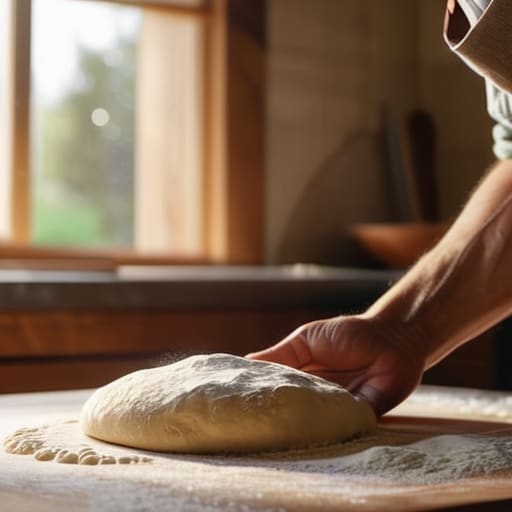
Look, I get it. There’s this unspoken pressure that if you aren’t pulling a twenty-four-hour fermentation in a temperature-controlled fridge, you aren’t “really” making pizza. But honestly? Most nights, I just want something that tastes good without turning my kitchen into a science lab. If you’re looking for the best pizza dough recipe that actually fits into a busy Tuesday, the secret isn’t in fancy equipment; it’s in the patience you give the rise. I’ve found that even a simple, short rest can make a massive difference in how the gluten relaxes, making it way easier to stretch without it snapping back like a rubber band.
When it comes to baking pizza in a home oven, you have to play to your environment’s strengths. Since we don’t all have wood-fired ovens sitting in our apartments, I always preheat my stone or heavy baking sheet for at least forty-five minutes. It creates that immediate heat shock needed for crispy pizza crust techniques to actually work. Once you’ve got that heat dialed in, don’t overthink the toppings. Keep it simple—maybe some fresh basil or a drizzle of hot honey—and just enjoy the process of making something real from scratch.
Simple Homemade Pizza Sauce Ingredients for Busy Evenings
Look, I’m a firm believer that you don’t need a pantry full of obscure Italian imports to make this work. When I’m staring down a Tuesday night and just want something decent, my approach to homemade pizza sauce ingredients is all about high-quality basics. A can of crushed San Marzano tomatoes is the gold standard, but if you’re in a pinch, even high-quality plain tomato purée works. I usually just toss in a pinch of dried oregano, a splash of olive oil, and a tiny bit of garlic powder. The trick is to not overthink the cooking process; sometimes, a raw sauce that just simmers for ten minutes is actually better than one that’s been boiled into oblivion.
If you want to switch things up, think of the sauce as a canvas for your easy pizza toppings ideas. If you’re going for a white pizza vibe, skip the red sauce entirely and just use a dollop of ricotta or a garlic-infused olive oil. For something a bit more punchy, a swirl of pesto can completely change the profile without adding any real complexity to your prep. It’s all about making the most of what you already have in the kitchen so you can actually enjoy the meal instead of feeling like you’re running a professional kitchen.
Five Tiny Tweaks for Better Pizza (Without the Meltdown)
- Don’t go overboard with the toppings. I used to think more was better, but a heavy pile of ingredients just leads to a soggy middle and a lot of wasted effort. Keep it light so the crust actually has a chance to crisp up.
- Get your oven as hot as it’ll go. We aren’t running a professional pizzeria, but cranking that heat to the max helps mimic that stone-baked texture we all want. Just make sure you give it a good twenty minutes to preheat before the dough even touches the pan.
- Let the dough breathe. If you try to stretch a cold ball of dough, it’s going to fight you every step of the way. Let it sit out on the counter for a bit; it makes the whole process way more chill and much less of a wrestling match.
- Use a little bit of cornmeal or semolina on your pan. This is a total game-changer for preventing sticking. It gives the bottom of the crust a nice little grit and crunch that makes it feel way more intentional.
- Prep your ingredients while the dough rises. I’ve learned the hard way that trying to chop onions and grate cheese while the pizza is already in the oven is a recipe for a messy kitchen and a burnt crust. Do the prep work early so you can actually enjoy the process.
The Low-Stakes Summary
Don’t aim for a Michelin star on a random Tuesday; a decent crust and some good sauce are huge wins when you’re just trying to eat well.
Prep is your best friend—getting the dough to rise and the sauce ready ahead of time turns a chaotic kitchen into a manageable project.
Keep it flexible; if the dough is a little sticky or you run out of pepperoni, just roll with it. The goal is a good meal, not perfection.
The Final Slice
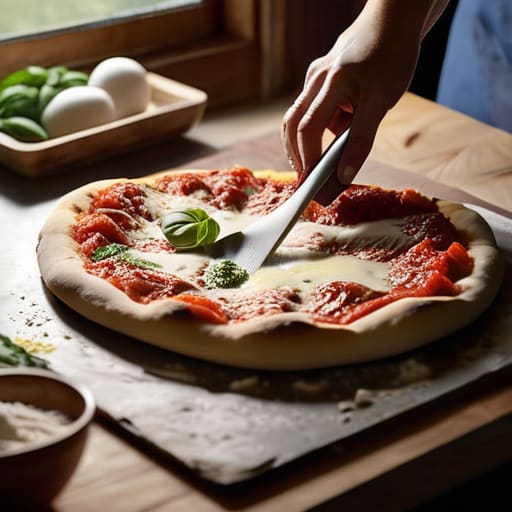
At the end of the day, making your own pizza isn’t about achieving some culinary perfection that you’d see on a high-budget cooking show. It’s really just about mastering the basics—getting a decent dough together, simmering a quick sauce, and knowing how to manage your oven without losing your mind. Whether you used a fancy flour or just stuck to the essentials in your pantry, the goal was to create something real and manageable. Once you realize that you don’t need a million specialized tools to make a great meal, the whole process becomes much less intimidating. Just focus on the small, repeatable wins in the kitchen, and the rest usually takes care of itself.
I know how it goes—sometimes the week just piles up, and the last thing you want to do is a massive, complicated project. But there is something incredibly grounding about the tactile nature of kneading dough or smelling garlic hit a hot pan. It’s a way to reclaim a little bit of control when everything else feels chaotic. Don’t let the fear of a messy kitchen stop you from trying. Even if your crust comes out a little uneven or the cheese burns slightly on the edges, you still made something from scratch. That’s a huge victory for any Tuesday night. Enjoy your slice.