Level Up Your Home Coffee Game and Skip the Cafe
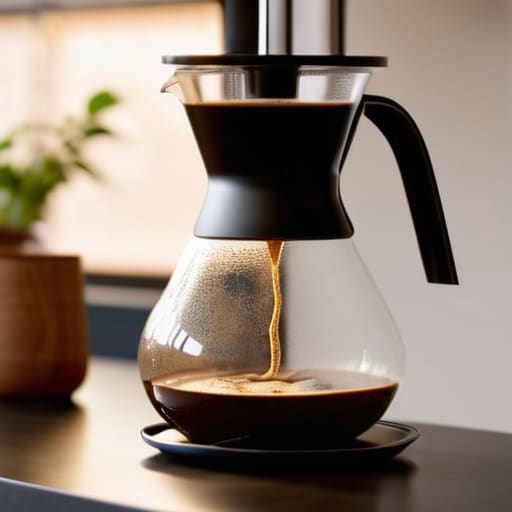
I used to think that learning how to make coffee at home meant I had to transform my kitchen into a high-end laboratory, complete with $500 grinders and scales that look like they belong in a physics lab. Honestly, the sheer amount of gatekeeping in the coffee world is exhausting. You see these influencers acting like if you aren’t measuring water temperature to the exact decimal point, you’re basically committing a crime against caffeine. But here’s the truth: most of that gear is just expensive noise designed to make a simple morning ritual feel like a chore.
I’m not here to sell you on a lifestyle overhaul or a complicated setup that takes twenty minutes to clean. Instead, I want to show you how to find that sweet spot between “burnt sludge” and “overpriced cafe latte” using stuff you actually own. We’re going to focus on the small, repeatable wins—the kind of low-effort, high-reward tweaks that make your Tuesday morning feel a little more intentional. This is about making a damn good cup of coffee without the unnecessary chaos.
Essential Coffee Brewing Equipment for Beginners
Look, I get it. You walk into a kitchen supply store or scroll through an endless Amazon list and suddenly you feel like you need a laboratory just to get some caffeine in your system. You don’t. When I first started getting serious about my morning routine, I thought I needed every gadget on the shelf, but I quickly realized that coffee brewing equipment for beginners should be about utility, not clutter.
If you’re starting from scratch, my biggest piece of advice is to invest in a decent burr grinder rather than a fancy machine. Using freshly ground coffee beans is honestly the single most impactful way to change your morning, and it beats a high-end brewer every single time. For the actual brewing, I’d suggest starting with something low-maintenance like a French press or a simple pour-over setup. These manual coffee brewing techniques are forgiving, easy to clean, and they don’t take up much space on my desk while I’m working. You’re essentially just looking for tools that help you control the variables, not tools that do all the thinking for you. Keep it minimal, keep it functional, and you’ll be fine.
Why Freshly Ground Coffee Beans Change Everything
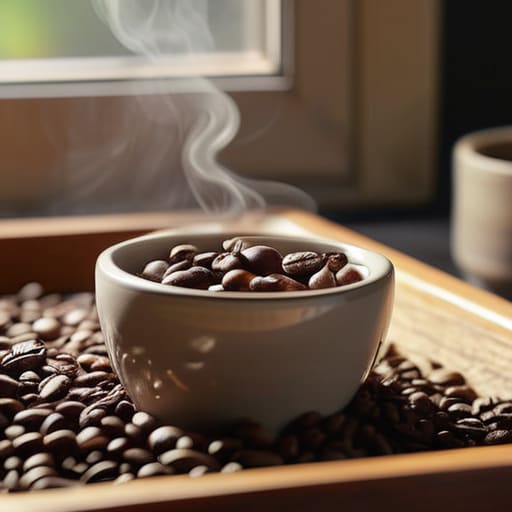
Look, I get it. Buying pre-ground coffee is the path of least resistance, especially when you’re staring down a mountain of freelance deadlines. But if you want to actually stop drinking “brown water” and start enjoying your morning, you have to talk about freshly ground coffee beans. Once those beans are cracked open, they start a countdown. The aromatic oils—the stuff that actually gives coffee its soul—begin to oxidize and evaporate almost immediately. If you’re buying a bag that’s been sitting in your pantry for three weeks, you’re essentially drinking the ghost of what used to be a great cup.
Switching to a manual grind is probably the single most effective way of improving coffee flavor profile without spending a fortune on fancy gadgets. When you grind right before you brew, you’re capturing all that brightness and complexity that usually disappears in a factory processing plant. It adds one more step to your routine, sure, but it’s a tactile, grounding moment. It’s like the difference between listening to a low-bitrate MP3 and putting on a vinyl record; the texture is just noticeably more alive. It turns a mindless caffeine hit into a ritual worth actually waking up for.
Five Small Tweaks to Stop Making Mediocre Coffee
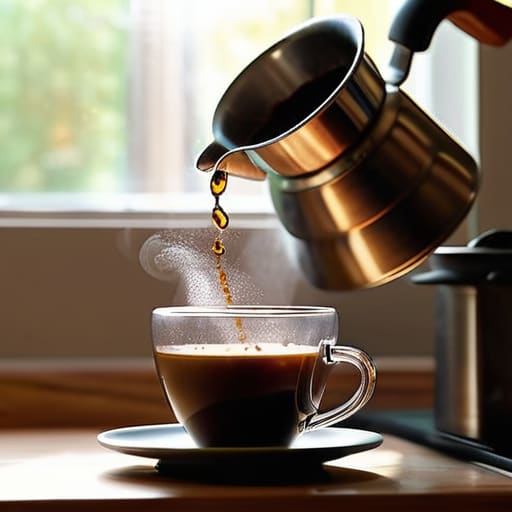
- Watch your water temperature. If you’re using boiling water straight off the kettle, you’re basically scalding the beans and ending up with something bitter and unpleasant. Let it sit for about thirty seconds or a minute after it hits a boil so you’re hitting that sweet spot around 195-205°F.
- Get a decent scale. I know, it feels a little extra to weigh out your coffee and water, but eyeballing it is how you end up with a cup that tastes different every single morning. Consistency is the whole point of a ritual.
- Clean your gear religiously. If you’ve got old coffee oils sitting in your carafe or French press, they’re going to go rancid and ruin your fresh brew. A quick rinse with some unscented soap makes a massive difference in how clean the flavors actually taste.
- Mind your water quality. If your tap water tastes like a swimming pool, your coffee is going to taste like a swimming pool, too. You don’t need a fancy filtration system, but using a basic Brita filter can take the edge off those harsh minerals.
- Don’t overthink the “perfect” method. Whether you’re using a cheap pour-over or a standard drip machine, the goal isn’t to be a barista; it’s just to make a cup that makes you feel ready to tackle the day. Pick one method and just get comfortable with it.
The Bottom Line for Your Morning Brew
Don’t get caught up in gear lust; start with a few reliable tools that actually fit your workflow rather than a kitchen full of expensive gadgets you’ll never use.
Prioritize the beans over everything else—investing in fresh, whole beans is the single biggest lever you can pull to stop drinking mediocre coffee.
View your brewing process as a small, intentional ritual rather than just another chore on your to-do list; it’s about the quality of the moment, not just the caffeine.
Finding Your Rhythm
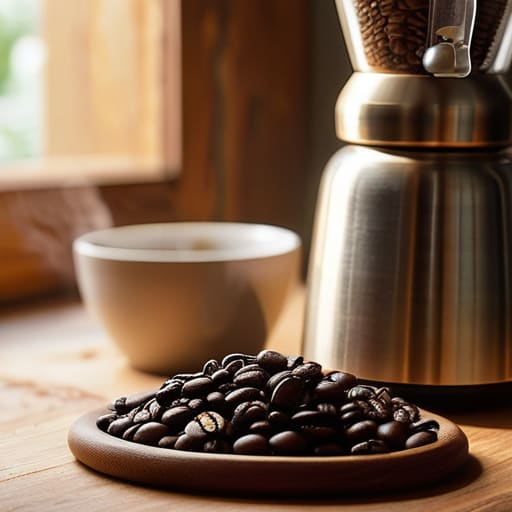
At the end of the day, mastering your home brew isn’t about owning a thousand-dollar setup or becoming some kind of amateur barista. It’s really just about the basics: getting a decent grinder, picking up beans that actually smell like something, and finding a method that doesn’t feel like a chore. Once you move past the idea that you need a professional laboratory in your kitchen, you realize that consistency is much more important than complexity. Whether you’re using a simple pour-over or a reliable French press, the goal is to eliminate the guesswork so you can actually enjoy the result.
Don’t get discouraged if your first few cups taste a little bit off or if your technique feels clumsy. I spent weeks just trying to figure out my water temperature before things finally clicked. Just treat it like any other small habit you’re trying to build—give yourself permission to experiment and fail a little bit. Brewing coffee isn’t just another item on your to-do list; it’s a tiny, intentional moment of peace before the chaos of the day takes over. So, grab your favorite mug, take a breath, and just focus on making one really good cup.