How to Cook Delicious Food on a Strict Budget

I used to think that learning how to cook on a budget meant living on a permanent diet of unseasoned rice and canned beans while staring longingly at expensive organic grocery aisles. There’s this massive, annoying myth floating around that eating well requires a culinary degree or a massive weekly food budget, and honestly, it’s exhausting. I spent way too much of my early twenties thinking I had to choose between financial stability and an actual decent meal, usually ending up with a pile of wilted spinach and a heavy sense of regret.
But I’ve realized that you don’t need a complete kitchen overhaul or a Pinterest-perfect pantry to make this work. I’m not here to give you some unrealistic, aesthetic meal prep guide that takes five hours on a Sunday. Instead, I want to share the small, repetitive habits I’ve actually used to keep my sanity and my bank account intact. We’re going to focus on low-effort, high-reward systems that work when your life is messy and your energy is low. Let’s figure out how to make your Tuesday nights a little easier.
Mastering Low Cost Meal Planning for Chaotic Weeks

I used to think meal planning meant spending my entire Sunday in a kitchen that looked like a flour bomb went off, only to realize I’d made five identical Tupperware containers of bland chicken and rice. That’s not a plan; that’s a chore. For me, low cost meal planning works best when it’s flexible. Instead of mapping out every single bite of the week, I focus on building a “modular” menu. I pick two proteins, a handful of versatile veggies, and a few affordable pantry staples like lentils or quinoa. This way, if a project runs late on Wednesday and I can’t cook, I’m not staring at a dead end—I’m just pivoting to a different combination of what I already have.
The real secret to staying sane is the “overlap method.” When I’m doing my grocery shopping on a budget, I look for ingredients that can play multiple roles. A bag of spinach might end up in a morning smoothie, tossed into a pasta dish on Tuesday, and wilted into a quick omelet on Thursday. This isn’t just about saving cash; it’s one of my favorite reducing food waste tips because it ensures nothing gets lost in the back of the crisper drawer to die. It’s about making the system work for you, not the other way around.
The Art of Grocery Shopping on a Budget
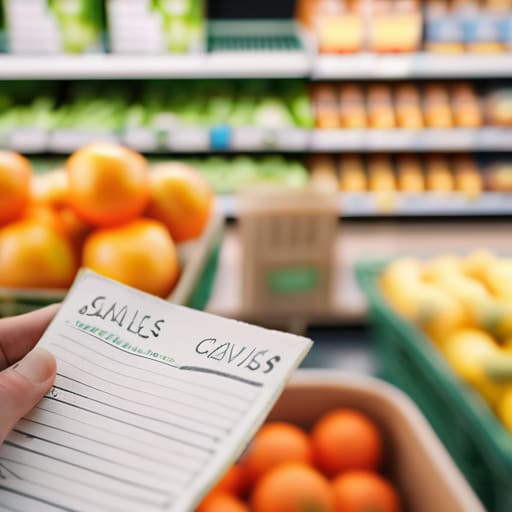
Once you’ve got your plan, the actual trip to the store is where things usually go off the rails. I’ve definitely been there—walking into a supermarket with a list and walking out twenty minutes later with a cart full of “essential” snacks and zero actual ingredients for dinner. To avoid that, I’ve learned that grocery shopping on a budget is less about willpower and more about logistics. I always try to shop with a full stomach and stick strictly to my list. If it isn’t on the paper (or in my pocket notebook), it doesn’t go in the cart. It sounds basic, but it’s the simplest way to stop those impulse buys from draining your bank account.
Another thing that saved my sanity was shifting my focus toward affordable pantry staples. Instead of hunting for expensive, niche ingredients, I lean heavily on things like dried lentils, rice, canned tomatoes, and oats. These are the building blocks that allow for much more flexible low cost meal planning because they don’t expire the second you look away. When you build your meals around a solid foundation of shelf-stable items, you aren’t just saving money; you’re building a safety net for those nights when you’re too tired to think.
Small Wins in the Kitchen: 5 Habits to Save Your Wallet
- Lean hard on the “pantry staples” rule. I’ve realized that if I always keep a few cheap basics—like dried lentils, rice, or a couple of cans of crushed tomatoes—on hand, I can whip up a decent meal even when my bank account is looking a little thin.
- Don’t fear the freezer. Frozen veggies are actually a lifesaver for someone with my chaotic schedule. They’re cheaper than the “fresh” stuff that usually just turns into a science experiment in my crisper drawer, and they’re ready when I am.
- Embrace the “cook once, eat twice” philosophy. There is zero joy in cooking a complex meal every single night. I try to make a double batch of whatever I’m doing—like a big pot of chili or a tray of roasted veggies—so Tuesday’s lunch is already handled.
- Shop your own kitchen before you hit the store. It sounds basic, but I used to go to the grocery store and buy ingredients for a recipe only to realize I already had half of it hiding in the back of my cupboard. Check your shelves first; it saves money and prevents clutter.
- Stop buying the “convenience” tax. Pre-cut onions and bagged salads are tempting when you’re tired, but they’re essentially charging you for five minutes of labor. If I can spend ten minutes chopping a whole onion myself, I’d much rather keep that extra couple of dollars in my pocket.
The Tuesday Night Survival Kit
Don’t aim for gourmet; focus on “modular” ingredients like grains, beans, or roasted veggies that you can mix and match all week without getting bored.
Keep a “emergency pantry” of three go-to meals that require zero prep, so you don’t end up spending $30 on takeout when your brain is fried.
Shop for what’s actually on sale rather than what your heart wants; your bank account will feel a lot better when you stop fighting the seasonal produce cycle.
Keeping It Real in the Kitchen

At the end of the day, cooking on a budget isn’t about following some rigid, perfect system or living off nothing but instant noodles. It’s really just about the small, intentional shifts we talked about—planning your meals so you aren’t staring blankly at a fridge at 7 PM, and being a bit more strategic with your grocery list so you aren’t impulse-buying things you’ll never actually use. Whether it’s mastering the art of the pantry staple or just learning to shop your own kitchen before hitting the store, these habits are what actually keep the chaos at bay. It’s about making the process work for you, rather than trying to force yourself into some unrealistic lifestyle overhaul that you’ll abandon by next Thursday.
I know how it feels when life gets messy and the easiest thing to do is just hit a delivery app and watch your bank account drain. But I promise you, there is a certain kind of quiet satisfaction in knowing you handled your Tuesday night dinner without breaking the bank. You don’t have to be a gourmet chef or a financial wizard to get this right; you just have to show up for yourself in small ways. Focus on the tiny wins, keep your notebook handy for those meal ideas, and remember that progress is better than perfection. We’re just trying to make life a little smoother, one meal at a time.