Seasoning 101: How to Flavor Your Food Like a Pro
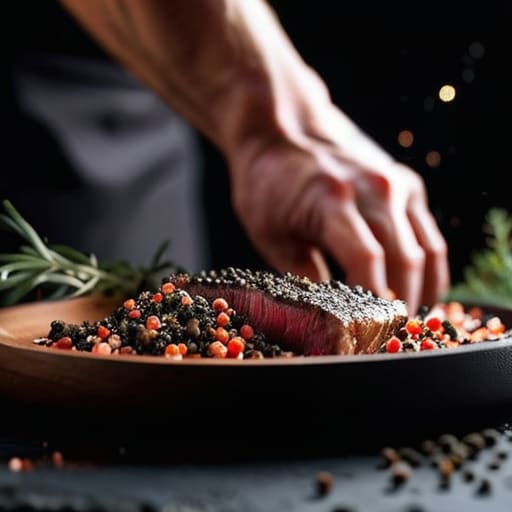
I used to think that mastering how to season food meant spending sixty dollars on a specialized spice set or following some overly dramatic recipe that required twelve different types of dried herbs I couldn’t even pronounce. I’d stand in my tiny kitchen, staring at a bland piece of chicken, feeling like I was failing some invisible culinary exam just because I didn’t have a pantry full of exotic powders. It’s exhausting when every cooking tutorial makes it feel like a high-stakes science experiment rather than just making dinner.
Look, I’m not here to teach you how to become a Michelin-star chef by next Tuesday. My goal is much simpler: I want to show you how to use basic, accessible tools to make your everyday meals actually taste like something. We’re going to skip the pretension and focus on the small, repeatable habits that turn a mediocre meal into something worth eating. This is just a straightforward, no-nonsense guide to seasoning your way through a busy week without losing your mind.
Building Your Essential Spice Cabinet Staples
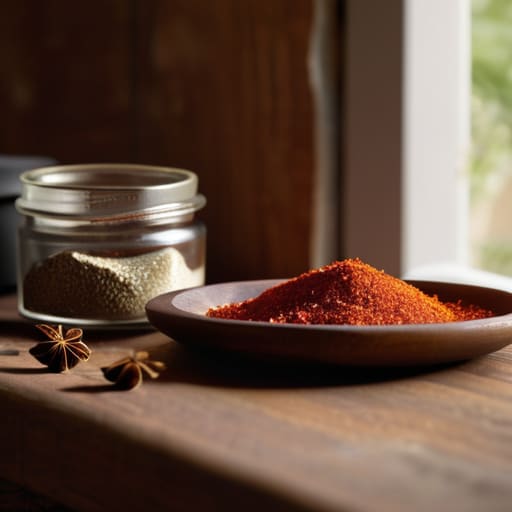
Look, you don’t need a spice rack that looks like a professional chef’s showroom to make decent food. I used to think I needed every single exotic powder under the sun, but honestly, that just leads to clutter and wasted money. Instead, focus on building a foundation of essential spice cabinet staples that actually do the heavy lifting. Start with the basics: kosher salt, freshly cracked black pepper, garlic powder, and maybe some smoked paprika or dried oregano. These are your workhorses. If you have these on hand, you can fix almost any mediocre meal in about thirty seconds.
Once you have the basics, the real magic happens when you start understanding how to play with different flavor profiles for beginners. It’s less about following a rigid recipe and more about knowing which tools to grab when things taste “flat.” For example, if a soup feels heavy or dull, you’re usually looking at a need for balancing salt and acid—think a squeeze of lemon or a splash of vinegar rather than just more salt. It’s a small tweak, but it’s the difference between a dish that’s just “fine” and one that actually makes you want to go back for seconds.
Simple Flavor Profiles for Beginners to Master

Once you’ve got your basic spices sorted, don’t feel like you need to memorize a complex chemistry textbook. Instead, think of flavor as a series of simple “templates” you can lean on when you’re too tired to think. A great place to start is the classic savory-bright combo: salt, pepper, and a splash of lemon or vinegar. This is the secret to balancing salt and acid, and it works on almost everything from roasted broccoli to a mediocre piece of salmon. If a dish feels “flat” or heavy, it usually isn’t missing more salt; it’s likely missing that hit of acidity to wake everything up.
Another reliable direction is leaning into the “earthy” vibe. Think cumin, smoked paprika, or even just a heavy hand of dried oregano. These are perfect for when you’re making a quick batch of beans or a one-pot meal. When you’re working with these deeper, heavier notes, pay attention to when to add herbs and spices to get the most out of them. I usually toss my dried spices into the oil at the start of cooking to bloom them, but I save the fresh stuff for the very end so they don’t turn into bitter mush. It’s a tiny tweak, but it makes a massive difference.
Five low-effort ways to stop eating bland food
- Salt as you go, not just at the end. If you wait until the plate is in front of you to add salt, you’re just masking a lack of flavor. Sprinkle a little bit into the pan while things are actually cooking so the seasoning penetrates the food rather than just sitting on top of it.
- Don’t fear the acid. Sometimes a dish isn’t “missing salt,” it’s just missing brightness. If your soup or pasta feels heavy or flat, hit it with a squeeze of lemon or a tiny splash of vinegar. It’s like a reset button for your taste buds.
- Use your nose to guide you. I’ve learned that if you can’t smell the spices while they’re hitting the oil, they probably aren’t doing much. Toast your dried herbs or spices in the pan for thirty seconds before adding your main ingredients to wake them up.
- Balance the heat with something fat. If you’ve gone a little too heavy on the red pepper flakes or hot sauce, don’t panic. Add a bit of butter, olive oil, or even a dollop of yogurt. Fat is the natural extinguisher for spice, and it adds a much-needed silky texture.
- Taste, adjust, repeat. This is the most basic part of the process, but I still catch myself skipping it when I’m rushing. Keep a spoon nearby. Taste your sauce halfway through, see what’s missing, and tweak it. Cooking is just a series of tiny, real-time adjustments.
The "Too Busy to Cook" Cheat Sheet
Don’t aim for a gourmet pantry; just grab the basics like salt, pepper, and one versatile spice blend so your Tuesday night takeout-replacement actually tastes like real food.
Think in flavor profiles rather than individual ingredients—if it’s too bland, you probably just need a hit of acid (like lemon or vinegar) or a pinch of salt to wake it up.
Treat seasoning like a small, repeatable habit rather than a chore; even a five-minute meal deserves a little effort to make it feel like you’re actually taking care of yourself.
The Low-Stakes Path to Better Meals
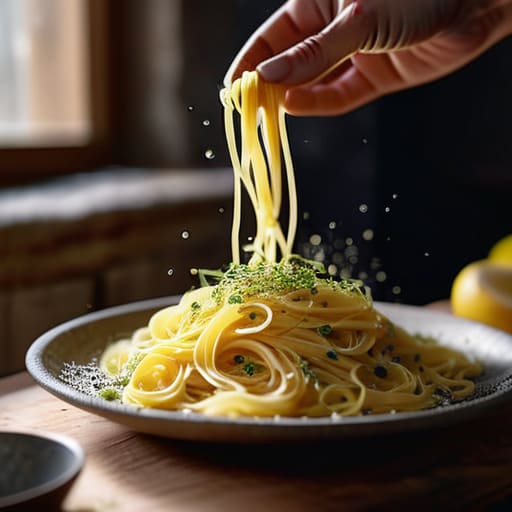
Look, you don’t need to become a Michelin-star chef overnight or buy every obscure spice in the aisle just to make dinner edible. It really comes down to those basics we talked about: building a solid foundation of staples, understanding how salt and acid can transform a dish, and not being afraid to experiment with simple flavor profiles. If you can master the art of a quick seasoning adjustment, you’ve already won half the battle. Remember, the goal isn’t a perfect plate every single time; it’s just about making sure your Tuesday night pasta actually tastes like something you want to eat, rather than just fuel you’re shoving down to get back to your laptop.
At the end of the day, cooking is just another one of those small, repetitive tasks that can either feel like a chore or a moment of actual control. Don’t let the fear of “doing it wrong” stop you from even trying. Just grab the salt, trust your taste buds, and embrace the mess. Life is going to get chaotic, and your schedule is probably going to blow up at least once a week, but your dinner doesn’t have to be part of that chaos. Start small, keep it simple, and just focus on making the next bite a little bit better than the last one.